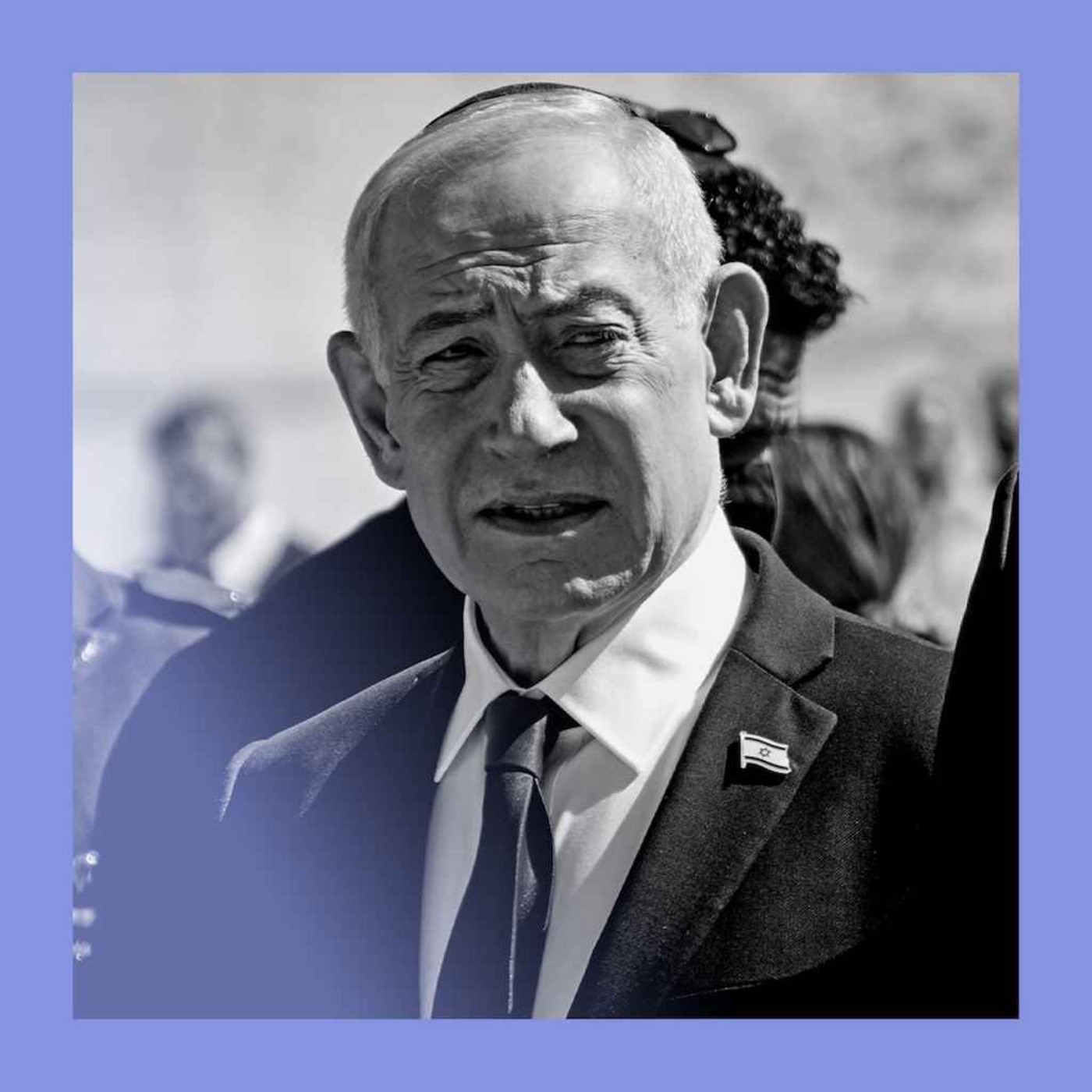
Overview of Bibi, one more time? Israel’s election launches
This Economist episode is a three-part news briefing that opens with Israel’s latest election crisis, where Benjamin Netanyahu once again faces a political test; moves to U.S.-backed counterterrorism training in West Africa and what it reveals about America’s shrinking but still important role there; and closes with a feel-good sports feature on Cape Verde’s first-ever FIFA World Cup appearance.
Israel: another referendum on Netanyahu
The first segment focuses on the Knesset vote that could dissolve Israel’s government and bring elections forward, likely to September rather than the latest possible date in October.
Why the election is happening now
- The immediate trigger is a dispute between Netanyahu and ultra-Orthodox coalition partners.
- Netanyahu had promised legislation exempting yeshiva students from military service.
- That promise was not fulfilled, and the ultra-Orthodox parties appear to have lost patience.
What the campaign will be about
- October 7 and Gaza will dominate the race.
- Israelis remain fixated on:
- the Hamas attack that killed more than 1,200 people,
- intelligence and policy failures before the attack,
- and the broader question of how the war in Gaza unfolded.
- Anshel Pfeffer argues that, inside Israel, the most politically potent question is still why October 7 happened and how to prevent a repeat, not the international debate about Gaza’s destruction and civilian death toll.
Other major election issues
- Hezbollah and Iran are also likely to feature, because Israel has been fighting on multiple fronts.
- Many Israelis support confronting these threats, but also feel the wars have not been brought to a decisive conclusion.
- Netanyahu’s judicial overhaul from 2022 remains a live issue:
- it aimed to weaken the Supreme Court and legal establishment,
- and it sparked months of mass protests.
- The election is therefore not just about Netanyahu personally, but also about the broader religious-right coalition and its agenda.
Will Netanyahu run again?
- Rumors persist about a possible exit, possibly tied to health concerns or a plea deal in his corruption cases.
- But the guest is skeptical Netanyahu will truly step aside, describing him as a politician who seems unable to live outside frontline politics.
Likely outcome
- Polls suggest Netanyahu’s bloc lacks a majority.
- Still, he remains dangerous electorally because:
- he is a proven comeback artist,
- and as incumbent prime minister, the opposition must not only win seats but also assemble a governing coalition around an alternative leader.
Africa: U.S. counterterrorism support under strain
The second segment reports from Operation Flintlock in Ivory Coast, a long-running U.S.-led special forces exercise aimed at helping African militaries fight jihadist groups.
What Flintlock is
- An annual training and networking exercise run by U.S. Special Forces.
- It brings together dozens of mainly West African and some Western forces.
- Activities include:
- amphibious assaults,
- drone surveillance and reconnaissance training,
- and countering online jihadist propaganda.
Why it matters
- The exercise is meant to strengthen regional security cooperation against militant groups.
- It also serves as a symbol of U.S. commitment in Africa, especially amid competition from Russia and China.
What is changing
- The report suggests Flintlock feels a bit like a relic of older, more multilateral U.S. engagement.
- Despite decades of training and funding, jihadist violence has spread rather than receded.
Key limitations
- Mali, Burkina Faso, and Niger did not participate.
- These countries have:
- broken with Western partners since military coups,
- expelled French, American, and UN forces,
- and moved closer to Russia.
- Their absence underlines the collapse of some U.S. and Western security partnerships in the Sahel.
Bottom line
- The exercise still has practical value, but the segment’s larger takeaway is that training missions alone have not stopped the expansion of jihadism across the region, including into coastal states such as Ivory Coast, Togo, and Benin.
Cape Verde: a first World Cup and a national moment
The final segment is a cultural/sports feature on Cape Verde’s men’s national team, which has qualified for the FIFA World Cup for the first time.
Why Cape Verde’s qualification matters
- Cape Verde is a tiny island nation of just over 500,000 people.
- Its qualification is portrayed as an extraordinary achievement and a point of pride across the diaspora.
- The country is being framed as an inspiration for other small nations.
Team identity
- The squad mixes:
- homegrown players,
- and diaspora talent from Europe and elsewhere.
- One notable story is Roberto Lopes, an Irish-born defender for Shamrock Rovers, who joined after receiving a LinkedIn message in Portuguese.
Challenges ahead
- Cape Verde’s group is tough: Saudi Arabia, Uruguay, and Spain.
- Even so, supporters are optimistic that the team will have strong backing from Cape Verdeans around the world, including in the U.S.
Wider theme
- The piece presents football as a unifying force that can link people across language, geography, and class.
- For young players at an East London training session, Cape Verde’s success is proof that even small, overlooked nations can reach the sport’s biggest stage.
Key takeaways
- Netanyahu remains the central figure in Israeli politics, but this election could finally expose the limits of his political survival.
- October 7 and the Gaza war will be the decisive emotional and political issue in Israel’s campaign.
- U.S. counterterrorism efforts in Africa continue, but their effectiveness is in doubt and some key Sahel states have walked away from Western partnerships.
- Cape Verde’s World Cup qualification is a rare upbeat global story, highlighting identity, diaspora, and national pride.
Notable insight
“You never bet against Netanyahu.”
That line captures the core political judgment of the Israel segment: polls may be against him, but history suggests he remains one of the hardest leaders in the world to politically count out.