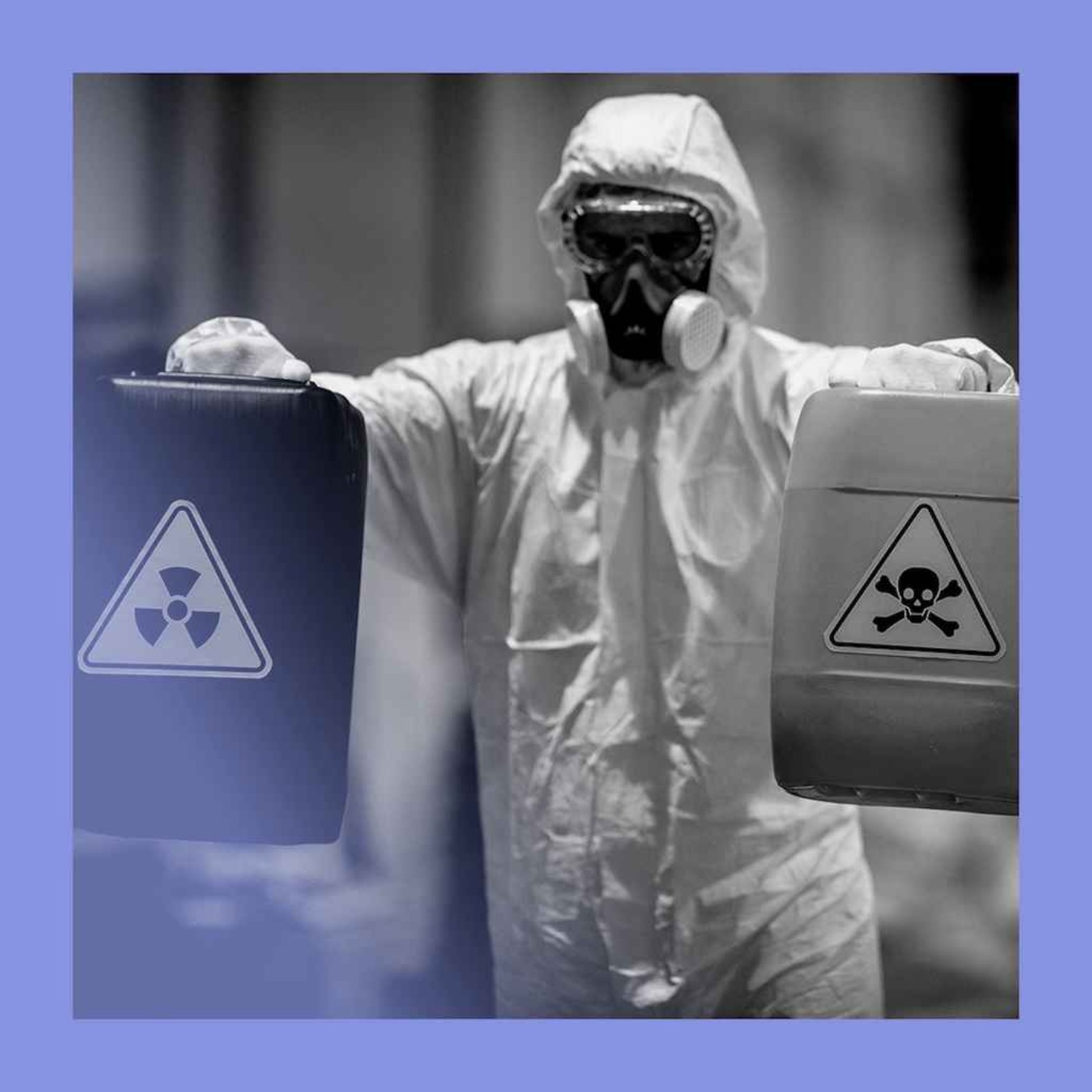
Overview of Apocalypse soon? AI could hasten bioweapons
This episode of The Intelligence from The Economist covers three sharply different but timely topics: the risk that AI could lower barriers to bioweapon development, why investors are piling into stocks even amid major geopolitical and energy shocks, and a lighter look at Germany’s rich bread culture — and the pressures facing its traditional bakeries.
AI and the Risk of Bioweapons
The main interview focuses on a growing fear: AI may make biological weapon development easier.
What’s the concern?
- Advanced AI models are becoming unusually capable at biology-related tasks such as:
- bioinformatics
- troubleshooting experiments
- helping navigate complex lab work
- The worry is not that AI will invent bioweapons on its own, but that it could “uplift” human users by giving non-experts or semi-experts powerful guidance.
- That could reduce the expertise and coordination barriers that have historically limited dangerous biological work.
How serious is the threat right now?
- Evidence is mixed:
- Some studies suggest AI is very helpful in lab contexts.
- Others suggest novices do not get much useful assistance.
- The interviewee argues that more experienced users may benefit most, because AI can act like a very patient expert assistant.
Why experts remain alarmed
- AI may already help people modify existing viruses or troubleshoot biological experiments in ways that could be dangerous.
- Creating a completely novel pathogen remains harder and would likely require data and capabilities that do not yet exist.
- Still, the key concern is uncertainty: even if AI is not enabling bioterrorism at scale today, it could do so soon.
Possible safeguards
- Make models refuse dangerous requests more reliably.
- Remove sensitive biological information from training data.
- Restrict access to the most capable models.
- Let governments evaluate frontier models before public release and impose guardrails.
Main takeaway
Even if AI has not yet democratized bioweapons, the episode argues that the stakes are high enough to justify proactive regulation, not a wait-and-see approach.
Markets, War, and the Erosion of “Safe” Assets
The episode then shifts to markets, asking why investors are not fleeing to safety despite war and an oil shock.
Why stocks are still rising
- Share markets have been remarkably resilient through repeated shocks:
- COVID
- Russia-Ukraine
- banking stress
- now the Iran war and oil shock
- Investors may be assuming the same pattern will repeat: short-term panic, then recovery.
- Some of the optimism is driven by belief in broader growth trends, especially AI.
Why this time may be different
- The guest argues this shock could involve lasting destruction of oil supply, not just a temporary disruption.
- If oil output is permanently affected, the economic damage may not reverse quickly.
Traditional safe havens look weaker
- Gold: already surged over recent years, so it now behaves less like a shelter and more like a speculative asset.
- The dollar: recently failed to act like a classic crisis currency during market stress.
- Government bonds: look less safe because:
- higher energy prices may fuel inflation
- governments are already heavily indebted
- war-related spending adds fiscal pressure
The danger of “there is no alternative”
- Some investors are buying stocks simply because other assets seem worse.
- The guest warns this logic can inflate a bubble:
- rising prices do not automatically mean shares are fundamentally cheap
- if everyone buys equities just because alternatives are poor, a crash becomes more likely later
Main takeaway
Markets may be treating stocks as the least-bad option, but that does not mean they are truly safe. The episode warns that this “no safe haven” environment could create instability of its own.
Germany’s Bread Culture, and the Decline of Bakeries
The final segment is a cultural feature on German bread, presented through a visit to a German bakery chain in London.
Why German bread matters
- Germany has one of the world’s most diverse bread cultures.
- It reportedly has thousands of bread varieties in its registry.
- Bread is deeply embedded in daily life and language:
- Abendbrot (evening bread)
- Pausenbrot (break-time bread)
- There is even a bread mascot, Bernd das Brot.
The industry’s problems
- Traditional bakeries have been struggling:
- bakery businesses have more than halved over the last 30 years
- fewer than 9,000 remain
- industrial bakeries are taking a larger share of the market
- The most commonly bought bread is now pre-sliced bread, not artisanal fresh loaves.
- Fresh bread prices rose sharply between 2019 and 2023, faster than overall inflation.
Signs of resilience
- Baking apprenticeships have increased in the past two years.
- Many Germans still strongly value fresh, high-quality bread and seek out trusted bakeries at home and abroad.
Main takeaway
German bread remains a source of national pride, but the traditional bakery sector is under pressure from industrialization and rising costs.
Key Takeaways
- AI could lower barriers to dangerous biological work, especially for more capable users, making bioweapon risk a growing policy concern.
- Classic safe assets are looking less reliable in a world of war, inflation, debt, and market uncertainty.
- Germany’s bread culture is thriving symbolically, even as its bakery industry contracts.
Notable Insight
- The AI segment’s central warning: uncertainty itself is the danger. Even without clear evidence of immediate misuse, the possibility of rapid capability growth is enough to justify preventive action.