Overview of The Intelligence by The Economist
This episode opens with Nepal’s worsening flood disaster, where rescue crews are still searching for people trapped in hydropower tunnels after a devastating glacial outburst flood. It then shifts to two lighter but still consequential topics: new data on how students use AI in school, and the global rise of Japan’s carefully curated listening bars. Across the episode, the thread is clear: technology, climate, and culture are reshaping daily life in ways that demand adaptation rather than wishful thinking.
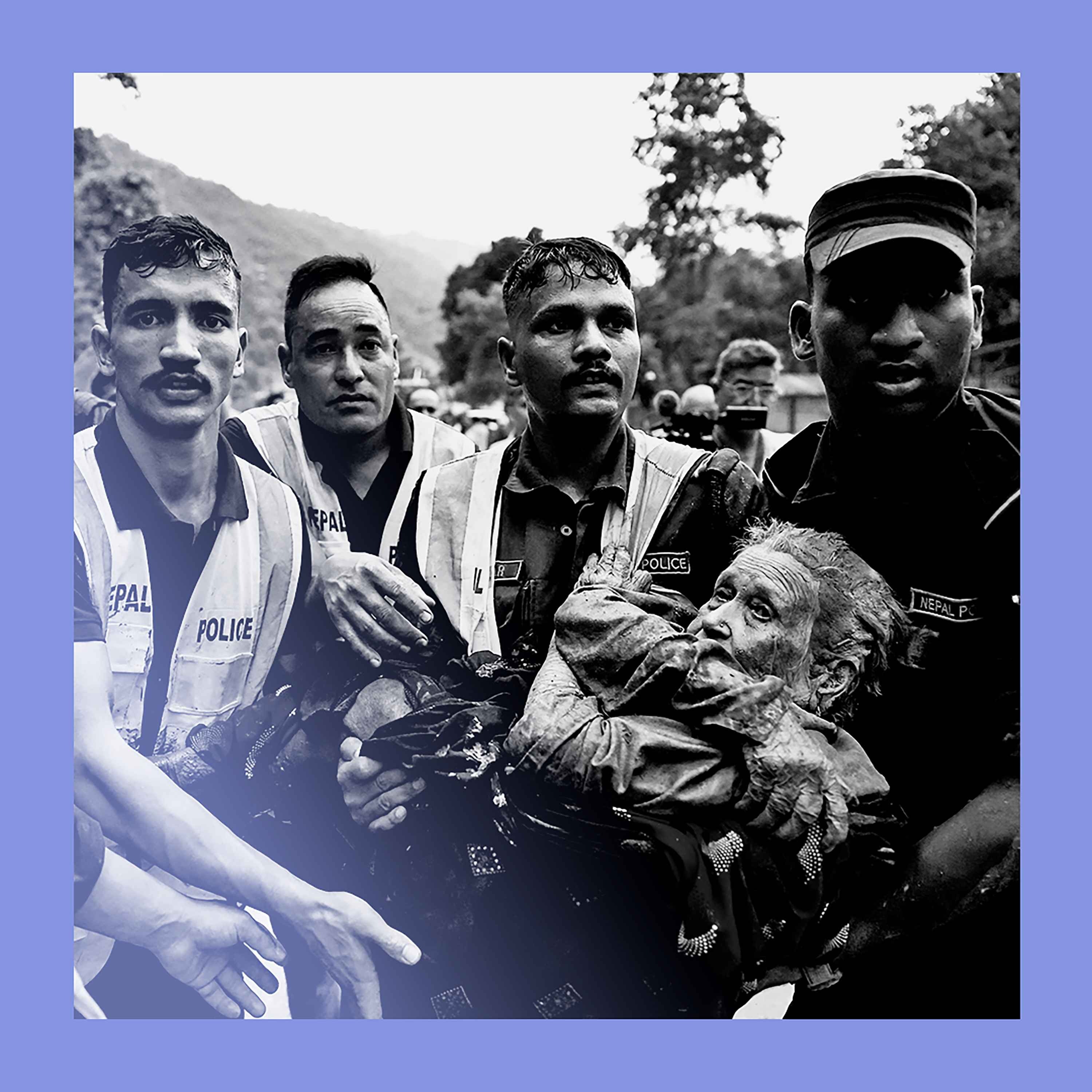
Nepal’s ongoing flood disaster: rescue, destruction, and climate risk
What happened
- A collapsing glacier and ice-rock avalanche in Tibet dammed the Lenda River.
- The dam breached minutes later, unleashing water, mud, rock, and ice into Nepal’s Rasuwa district via the Bhotekoshi and Trishuli rivers.
- Entire villages were swept away, and a wave reportedly reached speeds of up to 180 km/h.
Scale of the crisis
- Roughly 1,000 people are believed dead and around 4,000 remain missing.
- Hundreds of foreigners are also missing, including pilgrims traveling in the region.
- Rescue teams are still searching hydropower tunnels filled with mud and pumping air into them.
Why Nepal is especially vulnerable
- Nepal sits in one of the world’s most disaster-prone zones, between shifting tectonic plates and unstable Himalayan terrain.
- Climate change is making events more frequent and severe:
- The Himalayas are heating faster than the global average.
- Glaciers in the region are melting far faster than they were in 2000.
- This disaster follows other major events:
- A flash flood and landslide that killed 244 people less than two years ago.
- The 2015 earthquake, still Nepal’s deadliest natural disaster.
Response and structural weaknesses
- Recovery costs could reach $5 billion.
- Nepal is already poor, politically fragile, and now led by an inexperienced government.
- Policy missteps have worsened the damage:
- Too many hydro plants were concentrated along single rivers.
- About 10% of Nepal’s power generation was knocked out in hours.
- International aid is less available than in the past, with donor support and climate finance stretched thin.
What could help
- Better climate-resilient infrastructure.
- Improved cross-border monitoring and data-sharing across Himalayan countries.
- More transparency from China on hydrological flow data.
- But the larger issue is that Nepal is confronting a climate-driven crisis it did not create and is poorly equipped to manage.
AI in education: shortcuts vs. real learning
The core question
- The segment asks whether AI is helping students learn or simply helping them cheat and cut corners.
What the data shows
- A study of 27,000 students in China found:
- Students using AI spent about 20 minutes less per homework assignment.
- Their homework scores rose by 18%.
- But on exams, they scored 20% lower than students who did not use AI.
What it suggests
- AI can inflate homework performance without improving underlying understanding.
- The gap appears strongest when students use AI to rush assignments rather than engage deeply with material.
- Students who still spent significant time on homework while using AI did not suffer the same exam penalty, suggesting AI can function as a tutor rather than a shortcut.
Broader takeaway
- The episode pushes back against simplistic “screen-free schools” arguments.
- The key issue is not whether AI is present, but how it is used.
- Properly implemented, AI can support learning; used lazily, it can undermine it.
Japan’s listening bars: a global cultural export
What they are
- “Listening bars” or ongaku kissa began in Japan in the 1920s.
- Early versions were quiet cafes where people listened to music on gramophones.
- Postwar jazz kissa became places for serious, almost reverential listening, often with strict rules about silence.
Why they are spreading
- High-quality sound systems and vinyl are central to the experience.
- The music is the point, not background noise.
- Modern listening bars have spread across the West, South America, and Africa.
Why the model works globally
- Japan’s cultural influence
- Japan remains a global tastemaker in design, fashion, music, and other creative fields.
- An alternative to nightlife
- Listening bars offer a calmer, more stylish substitute for clubs.
- Curated social experiences
- They appeal to couples, music fans, and people seeking a distinctive, low-key night out.
Example
- The bar Space Talk was designed with architect, designer, and sound engineer input to create an ideal listening environment.
- Such venues often discourage or limit chatter, photos, and videos to preserve the experience.
Main takeaways
- Nepal’s flood disaster is both a humanitarian catastrophe and a warning about climate change, poor infrastructure, and weak preparedness.
- AI in schools is not inherently good or bad; its impact depends on whether it supports learning or replaces it.
- Listening bars show how a niche Japanese cultural form has become an international lifestyle trend by offering something many people now want: curated, quiet, high-quality experiences.