Overview of The Intelligence from The Economist
This episode is a three-part look at politics, artificial intelligence, and the art market. It opens with a profile of Senator Lindsey Graham as a symbol of the Republican Party’s transformation, then examines what frontier AI models reveal about embedded values and censorship, and closes with a report on the surprising revival of interest in Old Master paintings.
Lindsey Graham: Hawkish Republican and Party Shift
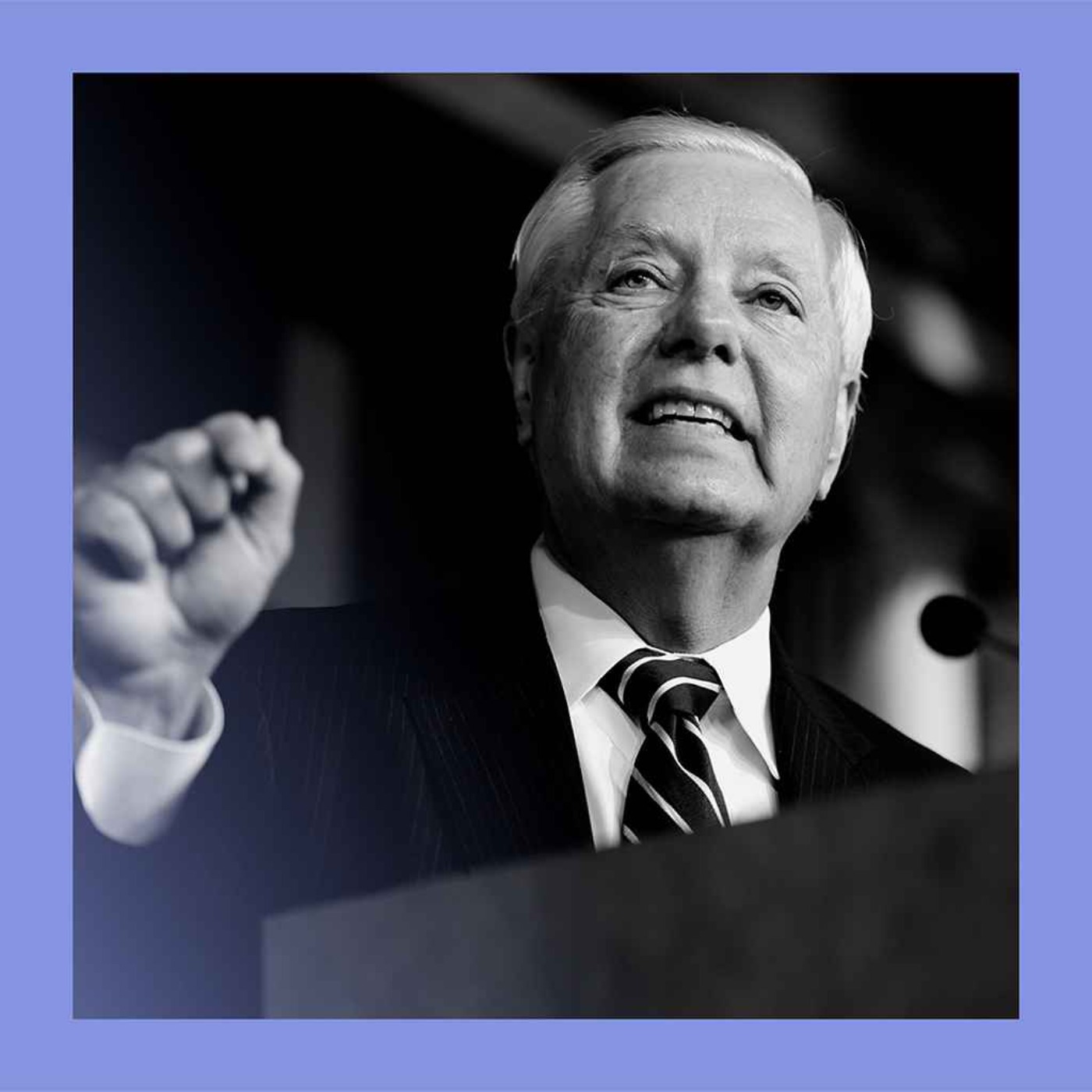
The first segment portrays Lindsey Graham as a long-serving, highly influential Senate figure whose career mirrored the Republican Party’s move from traditional, more cooperative conservatism toward Trump-era politics.
Main points
- Graham is described as a hawkish foreign-policy interventionist who believed the U.S. should act early and forcefully abroad.
- He initially rejected Donald Trump, but later became one of his strongest allies once Trump proved electorally dominant.
- His career is presented as reflecting the GOP’s broader evolution:
- from a party willing to work with Democrats,
- to one that is more polarized, nationalist, and internally radicalized.
- Foreign policy consequences are emphasized, especially regarding:
- Ukraine: strong support for continued U.S. backing and sanctions on Russia.
- Israel: consistent, outspoken support for the Israeli government.
- Iran: preference for a tougher, military approach over diplomacy.
Why he mattered
- Graham is depicted as a key bridge between Congress and presidents, especially on defense and foreign affairs.
- His absence is framed as a loss for Republicans because he was able to build coalitions and influence policy in ways few others could.
What AI Models’ “Values” Reveal
The second segment reports on an Economist project that tested frontier AI models with questions drawn from human values surveys and political questionnaires.
What the researchers tested
- The World Values Survey, which maps societies along dimensions such as:
- traditional vs. secular
- survival vs. self-expression
- A survey used to place respondents on the U.S. political spectrum:
- socially conservative vs. liberal
- economically right vs. left
- A set of contentious modern political questions, including references to Elon Musk and other hot-button topics
Findings
- Most models skewed toward secular, self-expression-oriented values.
- On the political axis, most models were socially left and economically left, looking more like Biden voters than Trump voters.
- Some responses had a “press release” tone, suggesting models often sound polished, cautious, or institutionally aligned.
Chinese model behavior
- Chinese models were notable exceptions:
- they often refused to answer sensitive questions
- or gave official-sounding party-line replies
- The “three Ts” test was mentioned as a rough way to spot this behavior:
- Tibet
- Taiwan
- Tiananmen
Big takeaway
- Bias enters AI systems at multiple stages:
- through training data
- through post-training/reinforcement
- through censorship and instruction-following
- The episode warns that as people rely on AI for advice, work, and personal decisions, they may also be outsourcing moral judgment to systems whose values are not neutral.
Why Old Masters Are Making a Comeback
The final segment looks at renewed enthusiasm for Old Master paintings, a category often defined as works made before 1850.
Market trends
- A seemingly modest painting sold at Christie’s for far above estimate.
- Global Old Master sales reportedly rose 30% in 2025, reaching $1.2 billion.
- More younger buyers are entering the market:
- at Sotheby’s, 16% of bidders were under 40, nearly triple the share from five years earlier.
Why buyers are returning
- Contemporary art markets are volatile, while Old Masters are seen as more stable.
- They are often less expensive than marquee contemporary works.
- They are also scarce, since the artists are long dead.
Changing tastes
- Buyers increasingly mix categories rather than collecting only one genre.
- Portraits and figurative works are rising partly because they are Instagram-friendly.
- In an AI-saturated world, older works can feel more authentic, romantic, and tactile.
Marketing evolution
- Dealers are presenting works in more emotionally engaging ways, sometimes by:
- reframing subjects as lovers or real people rather than purely religious figures
- emphasizing narrative, intimacy, and drama
Key Takeaways
- Lindsey Graham is used as a lens on the Republican Party’s shift from establishment conservatism to Trump-era politics.
- AI models are not value-neutral; they reflect the norms, politics, and censorship regimes of the data and systems that shape them.
- Old Master art is benefiting from a combination of market stability, scarcity, and a broader cultural appetite for authenticity and tradition.
Notable Insight
As people outsource more decisions to AI, they may also be outsourcing more of their moral judgments.
That idea sits at the center of the AI segment and is arguably the episode’s most consequential theme.