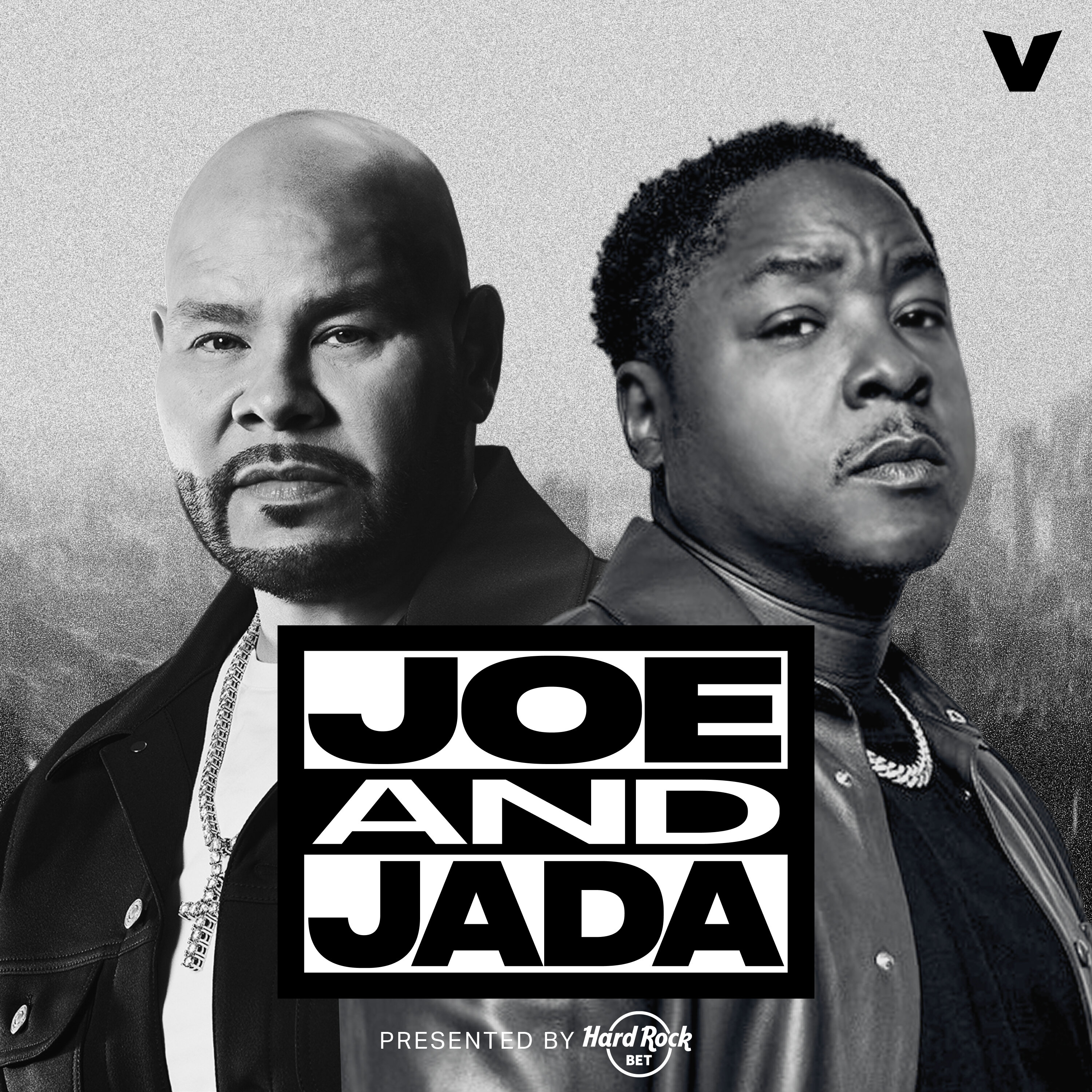
Overview of Joe and Jada — Albee Al shares his WILD journey: incarceration, tragedy & New Jersey hood life
This episode of the Joe and Jada Show features rapper Albee Al (from Jersey City) recounting his rise, legal battles, grief, and street lessons. He promotes his reissued album Everyday June 30th (10-year anniversary with 12 new songs), reflects on three years behind bars, describes learning to move smarter after his brother was killed while Albee was incarcerated, and speaks candidly about hood culture, snitching, generational cycles, and community work.
Key topics covered
- Albee Al’s background
- Grew up connected to Jersey City (Kennedy Boulevard, Marion projects) and spent time hiding there during legal trouble.
- Legal history and incarceration
- Served three years in prison (murder and gun-related charges context discussed).
- Describes how charges change people’s relationships and how he was placed on suicide watch after being told his brother was killed.
- Could not attend his brother’s funeral because of the severity of his charges.
- Personal tragedy and emotional aftermath
- Brother was killed in a street dispute; that loss hardened him and changed how he navigates relationships and the streets.
- Music and career
- Signed a deal in 2019 (with Ghazi), money initially swallowed by legal fees.
- Re-released Everyday June 30th on streaming platforms for its 10-year anniversary with 12 new tracks—peaked at #4 on Apple Music charts.
- Upcoming plans: touring (mentions touring with “Millie” and dropping another project around Feb–Mar).
- Community work and civic friction
- Runs toy drives, back-to-school events and community concerts in Jersey City.
- Says city officials have sometimes blocked his efforts; new mayor has reached out and he’s open to working together.
- Street life lessons and reflections
- Time is the greatest loss prison inflicts — youth, opportunity, ability to rebuild.
- Biggest mistake in the streets: acting impulsively. He credits older jailed relatives with preaching patience.
- Critique of “old heads” who exploit younger people to do risky work, and worries about younger people taking on more dangerous weapons and longer sentences.
- Snitching / “rat” culture
- Strong condemnation of snitching; says society and the industry sometimes tolerate or overlook it because of popular artists who still sell records despite controversy.
- Describes the cultural and practical danger of trusting people who have a history of cooperating with law enforcement.
- Industry changes and collaboration
- Notes music production and features changed: easier remote recording can reduce accountability and the real-time collaboration that studios forced in prior eras.
- Discusses “funny money” in the business and how collaborations / features work differently now.
- Lighter moments / cultural asides
- Anecdotes about Johnson’s fried chicken and its famous mustard sauce (Johnson’sBBQBX.com), traveling and performing in Africa, sneaker/sneaker-cop culture, and Fat Joe’s personal anecdotes about confronting people in public.
Main takeaways
- Albee Al is rebuilding and “back home” after three years; he’s re-launching his career with a major reissue and touring plans.
- Time in prison is a non-renewable cost — it steals youth and momentum, and that shapes decisions after release.
- Impulsivity and retaliation lead to long sentences and lifelong consequences; the best survival tactic is patience and analysis.
- The culture of snitching and the industry’s willingness to overlook misconduct for commercially successful artists complicates accountability in hip-hop and the streets.
- Community engagement matters to Albee Al — he wants to use influence to show youth positive paths and is seeking better cooperation with local government.
Notable quotes & insights
- “The most valuable thing you have in life besides health is time.”
- “The biggest mistake anybody ever did was be impulsive.”
- “If you do the crime, you do the time. Don’t pretend you can do both.”
- “Old heads who are broke and still sending kids out to do their dirty work are the biggest cancer in the hood.”
- On grief and prison: being told about his brother’s death while locked up and then being unable to attend the funeral “turned me to a different type of nigga.”
Episode highlights (practical details)
- Album: Everyday June 30th — 10-year anniversary reissue with ~12 new tracks; released on Halloween and charted highly on Apple Music.
- Time served: 3 years incarcerated; experienced suicide watch after learning of his brother’s murder.
- Community initiatives: toy drives, back-to-school events, concerts in Jersey City; wants to collaborate with the mayor to expand impact.
- Tour: planning a tour (mentions doing dates with “Millie”) and another project expected Feb–Mar.
Recommendations / next steps (for listeners)
- If you’re interested in his music: stream Everyday June 30th (10-year anniversary edition) and follow his socials for tour dates.
- If you’re in Jersey City or local government: consider partnering with Albee Al on youth/community events (he’s open to working with officials who genuinely support the neighborhood).
- For young people in at-risk communities: listen to his street lessons — think through consequences, avoid impulsive actions, and find mentors who actually have your best interests and futures at heart.
Who will get the most from this episode
- Fans of Albee Al and Jersey/New York hip-hop.
- Listeners interested in real-life accounts of incarceration, grief, and survival in street culture.
- Community organizers and civic leaders exploring partnerships with artists who do local outreach.
- Anyone looking for firsthand perspectives on how the music industry, social media, and “rat” culture intersect with real-world safety and careers.
Bottom line
Albee Al uses the episode to reassert his music career, confront painful personal loss, and pass on hard–earned street wisdom: don’t be impulsive, value time, and use influence to uplift your community instead of exploiting youth. The interview blends heavy, candid life stories with artist promotion and practical calls for civic collaboration.