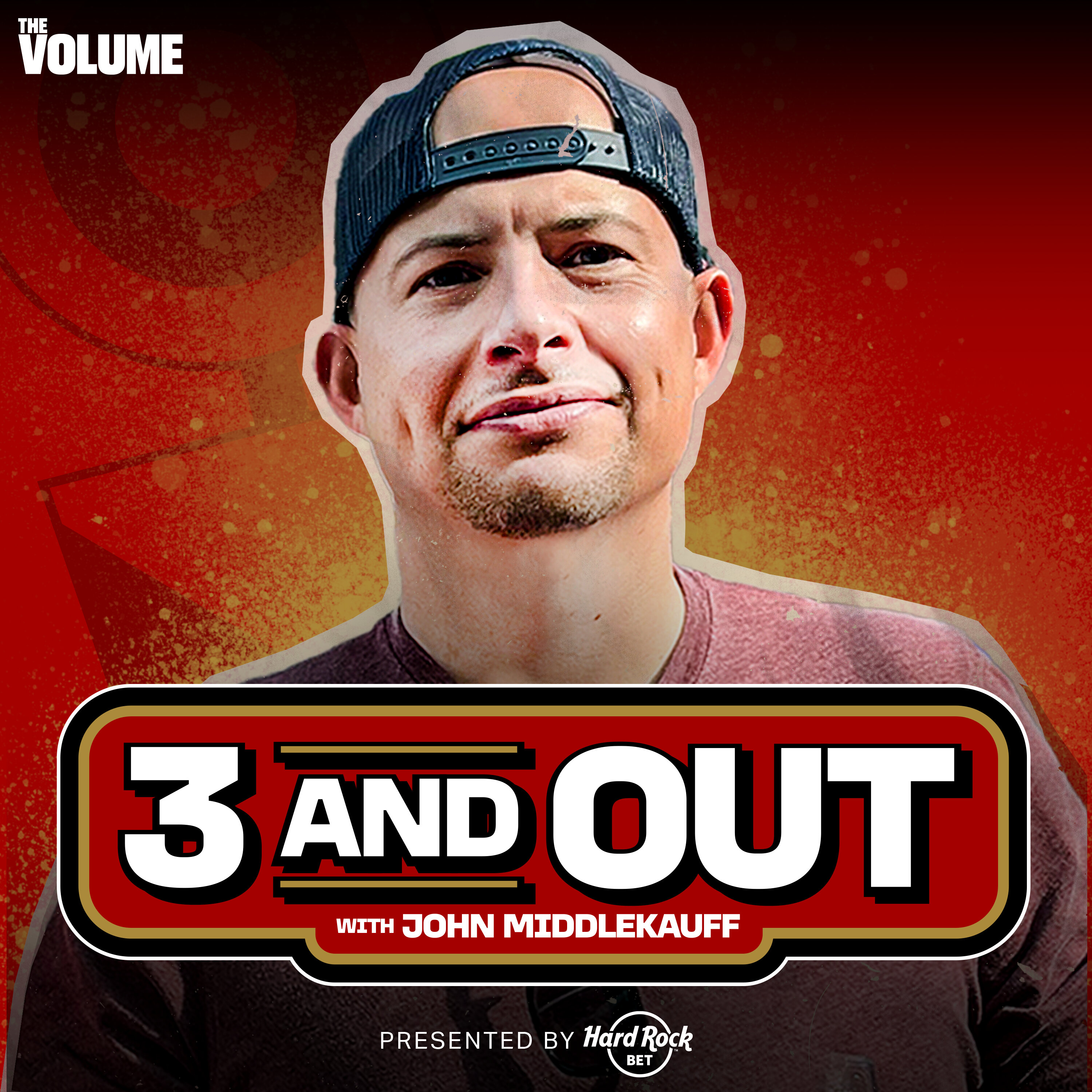
Overview of 3 & Out NFL Offseason Mailbag
John Middlekauff uses a spontaneous Browns-Rams blockbuster as the centerpiece for a wide-ranging NFL mailbag. The episode focuses on Les Snead’s aggressive team-building philosophy, the Myles Garrett/Jared Verse trade package, and what the deal says about Andrew Berry’s Browns rebuild. Middlekauff also answers questions on Jared Verse’s ceiling, roster-building risk, culture changes, quarterback development, first-year head coach bumps, practice squads, and a few league-wide outlooks.
Browns-Rams Trade: Why It Matters
Middlekauff treats the trade as one of the biggest NFL moves in years because it reflects how both teams operate:
- Rams perspective: Les Snead is praised for being relentlessly aggressive and unafraid to make “big swings.”
- Browns perspective: Andrew Berry is credited for extracting major value when another team keeps pushing and finally meets the asking price.
- The deal is framed as proof that in the NFL, teams should not be afraid to capitalize on value before it fades, especially with aging stars.
Les Snead’s philosophy
Middlekauff argues that Snead embodies two traits he admires most:
- The willingness to keep working
- The courage to take big risks
He contrasts Snead with cautious corporate types who avoid uncomfortable decisions and says that elite front offices must be willing to:
- hear “no” repeatedly,
- keep pushing,
- and pay a premium when the upside is worth it.
The trade as a “big swing”
The episode emphasizes that the Rams have repeatedly made bold moves:
- trading for Matthew Stafford
- acquiring Jared Verse-type young talent through aggressive draft capital usage
- and now landing Myles Garrett
Middlekauff’s broader point: great teams are often built by people willing to risk embarrassment, criticism, and failure.
Jared Verse: Ceiling, Value, and Fit
A major chunk of the mailbag is about Jared Verse, the young edge rusher included in the trade discussions.
Middlekauff’s read on Verse
He views Verse as:
- a high-end, ascending player
- likely a Pro Bowl-caliber edge
- but not Myles Garrett, obviously
He suggests Verse’s most realistic long-term ceiling is something like:
- 10–12 sacks per year
- strong run defense
- high snap-to-snap impact that may not fully show in the box score
Why Verse has real trade value
Middlekauff argues that Verse’s value is high because:
- he is on a cost-controlled rookie deal
- he plays a premium position
- he is young and productive
- and the Browns were able to acquire him as part of a broader package rather than a random replacement piece
He also stresses that some players are valuable even if they are not pure sack monsters, because:
- they set the edge
- pressure the pocket
- and force offenses to game-plan around them
Andrew Berry and the Browns Rebuild
Middlekauff is more supportive of Andrew Berry than many fans are, especially after the trade.
Why he thinks Berry deserves credit
He argues Berry should be judged on:
- his willingness to move aging assets before value declines
- his ability to recognize when a trade offer becomes too good to pass up
- and his growing track record of acquiring young talent
He also says the Browns are trying to build a roster with:
- young ascending players
- strong defensive pieces
- and future draft flexibility
The “one helmet” problem
Middlekauff notes the Browns have leaned too heavily on the idea of having one elite player, saying the franchise has been hanging too much on Garrett as the lone undeniable star. His view is that the Browns were smart to turn that asset into:
- a premium young player
- future draft capital
- and more roster-building flexibility
Quarterback and coaching uncertainty
He repeatedly says the Browns still have major questions at:
- quarterback
- head coach
- and overall offensive direction
He’s skeptical that the current coaching setup fully solves the issue, but he still sees Berry as a capable front-office operator.
Front Office, Culture, and “Taking No”
A recurring theme in the episode is that successful decision-makers:
- don’t stop at the first rejection
- don’t play scared
- and don’t preserve status quo just to avoid blame
Middlekauff uses examples from:
- sales
- corporate America
- dating
- and business deals
to explain that elite operators hear “no” constantly and keep going anyway.
Other NFL Mailbag Topics
Practice squad life
He gives a detailed explanation of what life is like on an NFL practice squad:
- lower pay than the active roster
- no week-to-week guarantee
- lots of scout-team work
- constantly needing to stay ready
- and the possibility of being elevated at any time
His takeaway: it’s a tough job that requires unusual discipline.
First-year head coach bump
Middlekauff says first-year coaches can create an energy boost, but the effect varies a lot:
- easier when taking over a bad situation
- harder when inheriting a well-run team
- and especially different from coaching veterans like Reid, McVay, Payton, or Harbaugh
Quarterback development questions
He weighs in on several QB-related topics:
- J.J. McCarthy: he thinks the Vikings’ situation has been a disaster and the team gets deserved criticism
- Drew Allar: he’s not a fan of the Steelers’ decision to take him and thinks he was over-drafted for how raw he is
- Aaron Rodgers comparisons: he says Rodgers was far more polished coming out of college
Eagles optimism
Middlekauff says the Eagles should still be very good on paper:
- strong offensive line
- Saquon Barkley
- Devonta Smith
- Dallas Goedert
- a loaded defense
His main question is whether Jalen Hurts returns to being a more aggressive runner and fully embraces the offense.
Team competitiveness vs. title-or-bust
He answers a fan question by saying he’d always rather have a team:
- competitive every year
- than win one championship and then collapse for years
Main Takeaways
- Les Snead is the model of bold roster building: relentless, aggressive, and unafraid of risk.
- Andrew Berry gets credit for extracting value from a market that kept increasing the offer.
- Jared Verse is a real player, but his value comes from all-around impact, not just sack totals.
- The Browns are still incomplete, but they may be building something better structurally.
- The NFL rewards boldness, and Middlekauff clearly prefers decision-makers who swing big over those who play safe.
Bottom Line
This episode is essentially a deep dive into how good NFL organizations think: when to hold, when to sell, when to overpay, and when to trust your process. The Browns-Rams trade becomes a springboard for a larger discussion about risk, roster construction, player valuation, and the difference between cautious management and championship ambition.