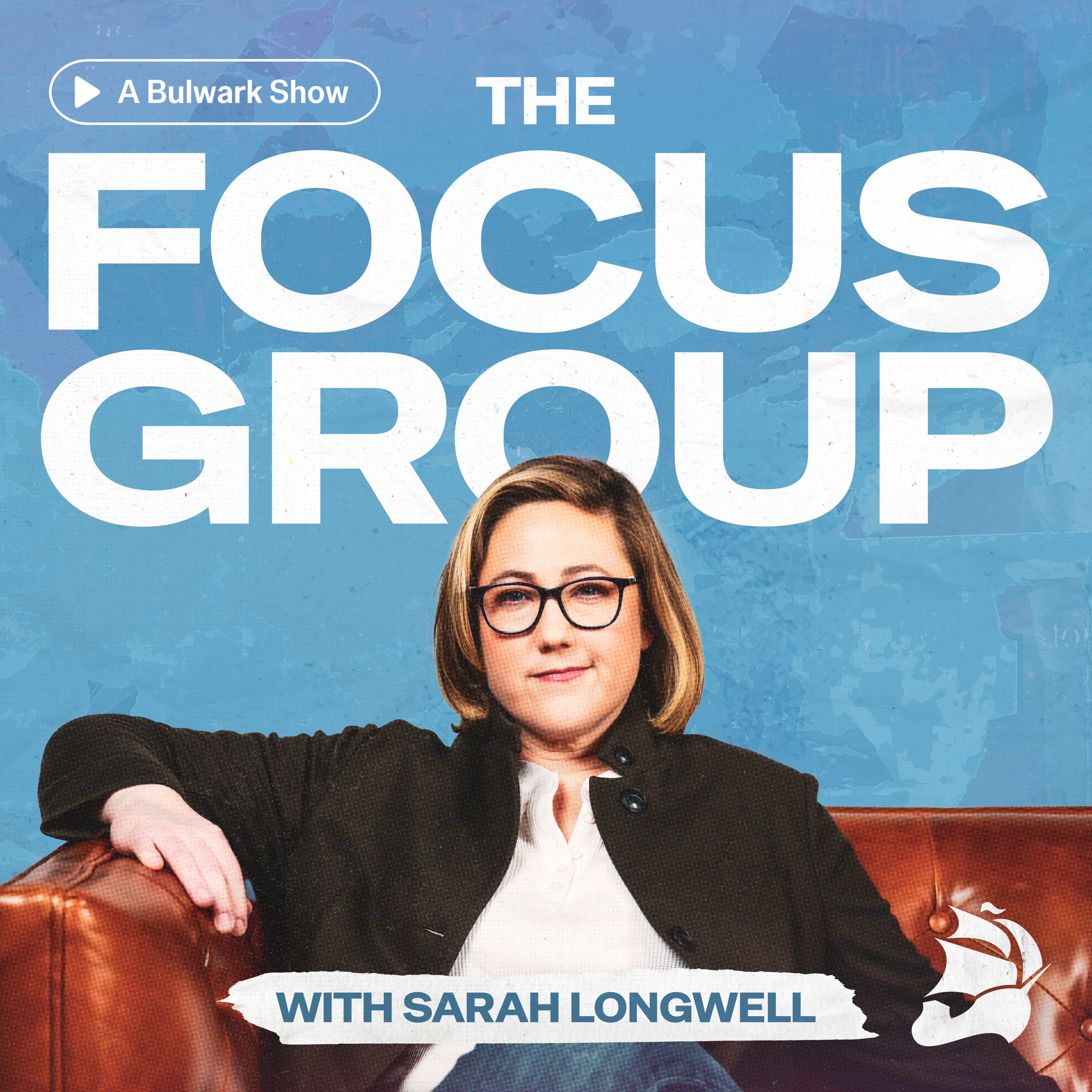
Overview of The Bulwark’s Focus Group Episode with Elaine Godfrey
This episode examines why some red and red-leaning states may be more competitive than they first appear, with a deep dive into Iowa and the appeal of Democrat Rob Sand. Sarah Longwell and Elaine Godfrey argue that a big part of Democrats’ recent improvement in certain places comes down to authenticity, anti-corruption messaging, and candidates who don’t sound like standard partisan politicians. The conversation also surveys other surprisingly competitive races in Mississippi, Nebraska, South Carolina, and Texas.
Iowa: Why Rob Sand Is Breaking Through
Rob Sand, Iowa’s state auditor and Democratic candidate for governor, is the centerpiece of the discussion. Elaine Godfrey says his strength comes from a few things:
- He has been talking about the same issues for years, especially corruption and government accountability.
- He comes across as authentic, folksy, and unpolished in a believable way.
- Voters see him as someone who is “for the little guy,” not a party-line operative.
- He doesn’t lean into the culture-war style that many Democrats are associated with.
Trump-disapproving voters in the focus groups repeatedly praised Sand for being direct, anti-greed, and willing to buck both parties. The episode frames him as a candidate whose style gives voters a “normal guy telling the truth” vibe rather than a left-wing or corporate-Democrat one.
Why Sand Is Outperforming Josh Turek
The Senate race is tighter than the governor’s race, and the episode explores why Josh Turek is trailing Sand:
- Turek is less well-known and hasn’t had as long to build rapport with voters.
- He has less of Sand’s quirky, dorky, relatable charisma.
- Sand has already spent years building a reputation as someone who will say what he thinks, including on controversial issues.
The comparison suggests that in Iowa, candidate familiarity and perceived authenticity matter a lot more than abstract ideology.
The Bigger Pattern: Voters Want “Nice Young Man Energy”
A recurring theme is that many voters — especially disaffected Trump voters — are drawn to candidates who seem:
- competent
- calm
- sincere
- less cruel
- focused on fixing problems rather than fighting endlessly
Longwell and Godfrey contrast this with the “cruel jerk” energy they associate with Trump-era politics. Their read is that in red states, Democrats do better when they project steadiness and decency instead of maximalist ideological intensity.
The Trans Issue and How Republicans Are Using It
The discussion also spends significant time on how Republicans are using trans issues as a wedge, especially in Iowa and South Carolina. The main points:
- Many voters do not know the policy details.
- They are using the issue as a shorthand test for whether Democrats are “crazy” or culturally out of step.
- For some voters, the trans issue is weighted alongside economic concerns, which may sound irrational to outsiders but is politically real.
Sarah argues Democrats often lose ground when they sound evasive or overly scripted on the issue. Elaine’s view is that voters want a clear answer and a reason, not a dodge.
Other Competitive Races in Red States
Mississippi
The episode notes surprise around Democrat Scott Colom’s competitiveness against Cindy Hyde-Smith. Elaine sees it as a sign of Democratic enthusiasm and an unpopular incumbent, though she’s skeptical Mississippi is truly in play.
Nebraska
Dan Osborn’s Senate campaign is discussed as another example of a candidate who breaks the normal partisan mold. The guests see him as a compelling populist independent who benefits from:
- anti-establishment appeal
- familiarity from his 2024 run
- weakness in the Republican incumbent image
South Carolina
The focus group comments on Lindsey Graham’s sister, referred to here as “Darlene Graham,” highlight a problem for Republicans: some GOP voters do not like their own candidate and are basically voting reluctantly. Republicans are leaning hard on trans attacks, but the hosts think that may only go so far.
Texas
The Texas races are presented as the most serious near-term surprise:
- James Talarico appears to be running unusually strong.
- Gina Hinojosa is also closer than expected.
- Elaine says the polling suggests the state is more competitive than at any point in recent memory.
- Sarah’s theory is that rural turnout may collapse for Republicans because of inflation, cost-of-living pressures, and local backlash over data centers and related issues.
Main Takeaways
- Authenticity beats ideology in a lot of these swingable red-state contests.
- Anti-corruption messaging is a powerful way for Democrats to cut into Trump-era Republican coalitions.
- Culture-war attacks still work, but mostly as turnout tools for Republicans rather than persuasion tools in the reddest places.
- Rural turnout may be the key variable in states like Iowa and Texas.
- Iowa may be “purple again,” at least in the sense that Democrats have found candidates who can compete.
Notable Insight
One of the episode’s clearest conclusions is that voters often care less about detailed policy than about whether a candidate seems honest, calm, and on their side. As Longwell puts it, people mostly want to believe that a candidate genuinely cares about making their lives better.
Closing Thought
The episode ends on guarded optimism for Democrats in certain states, especially Iowa and Texas, but with the caveat that a lot depends on turnout, rural realignment, and whether these candidates can keep their cross-partisan appeal through Election Day.