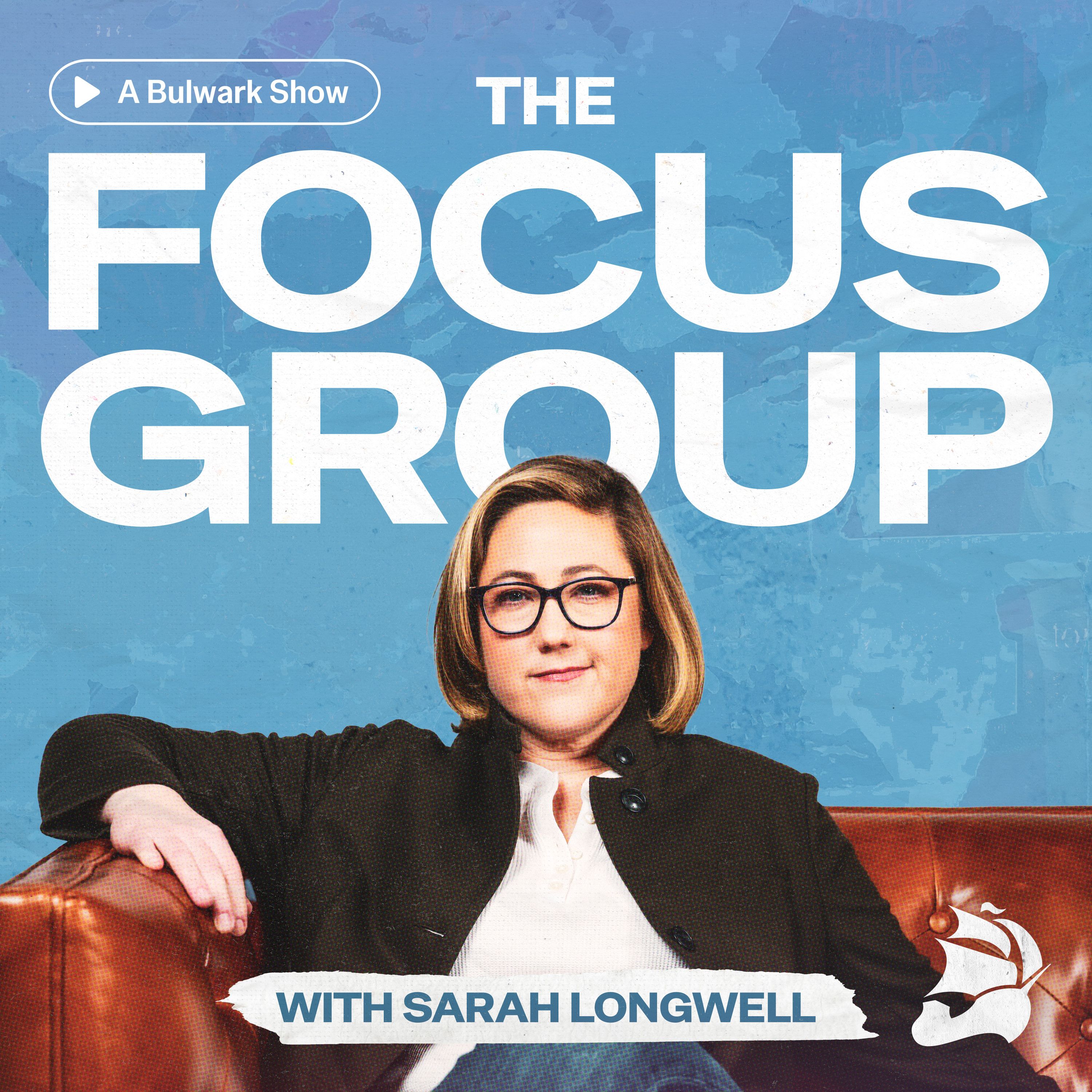
Overview of Focus Group with David French: “Character Counts For Less”
Sarah Longwell and David French spend this episode wrestling with a big political question: does character still matter in American politics, or have voters become too willing to overlook serious moral flaws if they like a candidate’s ideology or think the stakes are high enough? The conversation ties together historical conservative arguments about character, the rise of Donald Trump, and recent examples like Graham Platner and Ken Paxton to show how standards have shifted—and how troubling that shift may be.
Main Themes
Character vs. electability
- Longwell argues that voters increasingly treat character as secondary to policy, especially when they believe the political stakes are existential.
- French’s view is the opposite: the higher the stakes, the more character matters, because bad character makes leaders less trustworthy and more dangerous.
The old conservative “character counts” era
- They trace the conservative emphasis on character to the post-Nixon era and the Clinton years, when Republicans saw themselves as the party of moral seriousness.
- That emphasis was shaped by both:
- genuine conviction about moral standards, and
- negative polarization against Bill Clinton.
- French says many conservatives were sincere about character, but Trump revealed how much of that commitment was conditional.
Trump changed the rules
- Both agree that Trump normalized disregard for personal conduct in a way that deeply reshaped Republican politics.
- French argues that Trump’s character has real downstream effects on institutions, norms, and even evangelical culture.
- Longwell notes that Democrats are also now tempted to abandon character standards in response to Republican behavior.
Graham Platner and the Limits of Redemption Narratives
Why French opposed Platner from the start
- French says he never believed Platner’s explanation for his tattoo or his redemption arc.
- He found the tattoo story implausible and thought the broader pattern of recent unstable online behavior suggested deeper problems.
- His general test was simple: if someone wants public trust, they need more than a flimsy redemption story and a bad explanation.
Longwell’s tension
- Longwell says Platner forced her to hold two beliefs in tension:
- character matters a great deal, and
- Donald Trump cannot be allowed to have a governing majority.
- That tension made her more open to a flawed anti-Trump candidate, even one with ugly baggage.
- She distinguishes between candidates whose flaws seem redeemable and candidates whose character appears unfit for power.
French’s objection
- French argues that if Democrats say Trump is an existential threat, they cannot then justify nominating a candidate with serious unresolved scandal and instability.
- He sees that as ideological opportunism: excusing bad character when it comes wrapped in the “right” politics.
Voter Attitudes: More Forgiveness, Less Judgment
What the focus groups suggested
Longwell plays clips from swing voters who say:
- private wrongdoing should be weighed in context,
- people can grow and change,
- and the most important thing is whether a candidate “does the job.”
What French makes of that
- He acknowledges that people are imperfect and that redemption is real.
- He’s sympathetic to the idea that someone who made a serious mistake years ago can become a better person.
- But he draws a line between:
- old mistakes followed by genuine growth, and
- recent, repeated, or obviously dishonest behavior that suggests a continuing character problem.
Ken Paxton and the Republican Standard-Bearer Problem
Why Paxton matters in the discussion
- Longwell uses Paxton as another example of voters tolerating serious misconduct when the candidate is useful to their side.
- Some Texas voters say they’ll support him even though they wouldn’t want him in a church leadership role.
French’s reaction
- He sees this as proof that politics has become a quasi-religious identity.
- The sad part, to him, is that politicians now shape the moral culture of evangelical voters more than pastors do.
- He argues that character can’t be compartmentalized: if you abandon it in politics, it spills into broader civic life.
Key Takeaways
- Character still matters, but many voters now treat it as optional when policy stakes feel urgent.
- The old conservative “character counts” ethos was partly sincere, but Trump exposed how fragile it had become.
- There is a real distinction between:
- human frailty and the possibility of redemption, and
- obvious dishonesty or instability presented as a “new beginning.”
- Longwell and French agree that Trump has damaged the political culture, even if they differ on how much voters can reasonably forgive in response.
- French’s bottom line: democracy and civic trust require leaders of good character, especially in moments of crisis.
Final Thought
The episode ends on a warning: if Americans keep normalizing character-free politics, it will become harder to recover civic trust later. Longwell and French both see 2028 as a crucial test—because choosing another leader of bad character could deepen the country’s political and moral damage.