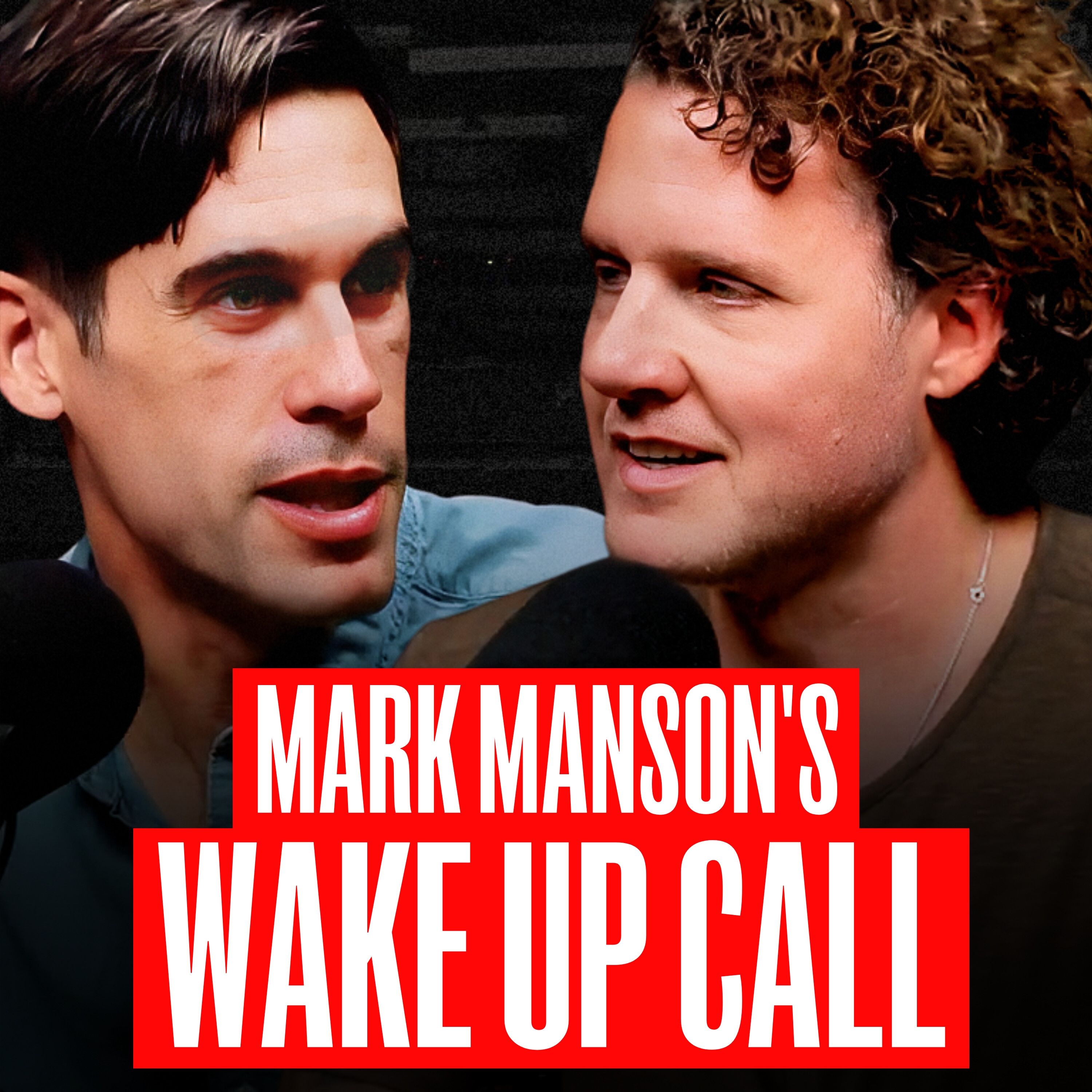
Overview of Mark Manson: “I Didn’t Realize How Out of Control I Was.”
This episode of the Daily Stoic weekend edition is a wide-ranging conversation between Ryan Holiday and author Mark Manson. They revisit themes from a longer Stoicism-focused discussion and dive into Mark’s personal transformation: how success forced him to confront volatility, balance, identity and habits. The talk covers the trade-offs of hustle culture, the limits of willpower, practical decision rules Mark uses to protect his time and health, and how he’s shifted back toward online media after the outsized success of his books.
Key topics discussed
- The “catastrophe of success”: how success changes incentives and can pull you away from what you actually enjoy.
- Balance vs. mania: why extreme early success often requires unbalanced effort, and why long-term maintenance asks for the opposite.
- Volatility as a strategy: volatility helps when you have little to lose; it becomes a liability once you’ve achieved escape velocity.
- Practical rules to curb self-sabotage (speaking gigs, eating, drinking).
- The limits of willpower and how to design environments/rules to outsmart yourself.
- Identity and narrative: how external rewards can mislabel what you actually love doing.
- Career pivot: Mark’s rediscovery of being an “internet guy” and scaling online media and team-building.
- The psychological work of saying “no” and protecting focus.
Main takeaways
- Early-stage success often requires imbalance (maniacal focus); sustaining success requires reducing volatility and protecting long-term systems.
- Advice from successful people can be misleading when presented retroactively—what they recommend may be their corrective measures, not the cause of their success.
- Willpower is limited. Structural rules and environmental design are far more reliable than relying on moment-to-moment restraint.
- Learning to say “no” (and creating filters that save you from yourself) is a core skill as stakes rise.
- Know what part of your work you actually love, and protect it even if it means turning down lucrative or validating opportunities.
- Train habits with hard rules until the “inner dog” is reliable; then you can loosen constraints and operate “off-leash.”
- “More often than not” is a pragmatic metric: aim to make the right value-aligned choice most of the time rather than pursuing perfection.
Practical systems & rules Mark uses (actionable)
- “Fuck yes or no”: only commit to things that feel like a clear “fuck yes.” (Note: the threshold changes with scale.)
- Delegate gatekeeping: head of operations filters speaking opportunities — only show ones that could fundamentally change his career.
- Remove easy opt-ins: take down press-request forms so impulsive opportunities don’t appear.
- Hard behavioral constraints when necessary: examples Mark used to lose weight included no desserts, no alcohol on weekdays, and a 30-day rule of not eating at restaurants to avoid environmental temptations.
- “More often than not” principle: rather than expecting perfect adherence, judge progress by how often you make value-aligned choices.
- Train then release: implement strict rules until habits are formed, then allow more freedom.
Notable quotes / insights
- “To achieve extreme success you cannot be a balanced person.”
- “Volatility works in your favor when you have nothing to lose; once you have escape velocity, volatility is a liability.”
- “If you’re relying on willpower, you’ve lost.”
- “The definition of an addiction is when you have lost the freedom to abstain.”
- “You have to know what part of the thing you actually like to do—and protect that thing as you succeed.”
- “I’ve learned I can turn the maniac ‘on’ when I need it, but I also have to be able to turn it off.”
Recommendations for listeners (quick to-dos)
- Audit your opportunities: create a filter that prevents impulsive “yes” decisions (e.g., a 48-hour rule, or a trusted gatekeeper).
- Design your environment: remove triggers that force daily willpower fights (no desserts in the house, limit restaurant meals while dieting).
- Decide what you truly love doing in your work and block time to protect it.
- Use the “more often than not” metric to track consistent improvement instead of perfection.
- If you’re building a career, plan for the transition point: what will you need to reduce volatility and protect longevity?
Sponsors & episode notes
- Episode contains multiple ad spots and sponsor mentions (8Sleep, Toyota Trucks, Whole Foods, BetterHelp, HelloFresh, Tonal, Supercast). The host also notes a paid ad-free subscription option for Daily Stoic via Supercast (Daily Stoic Premium).
- Mark has written The Subtle Art of Not Giving a Fck and Everything Is Fcked; he’s also pivoting back into online media and building a larger team after years as a lean operation.
If you want the essence without the full episode: this is a practical conversation about how to structure your life and decisions so success doesn’t destabilize you—use systems, protect the things you love, and reduce reliance on willpower.