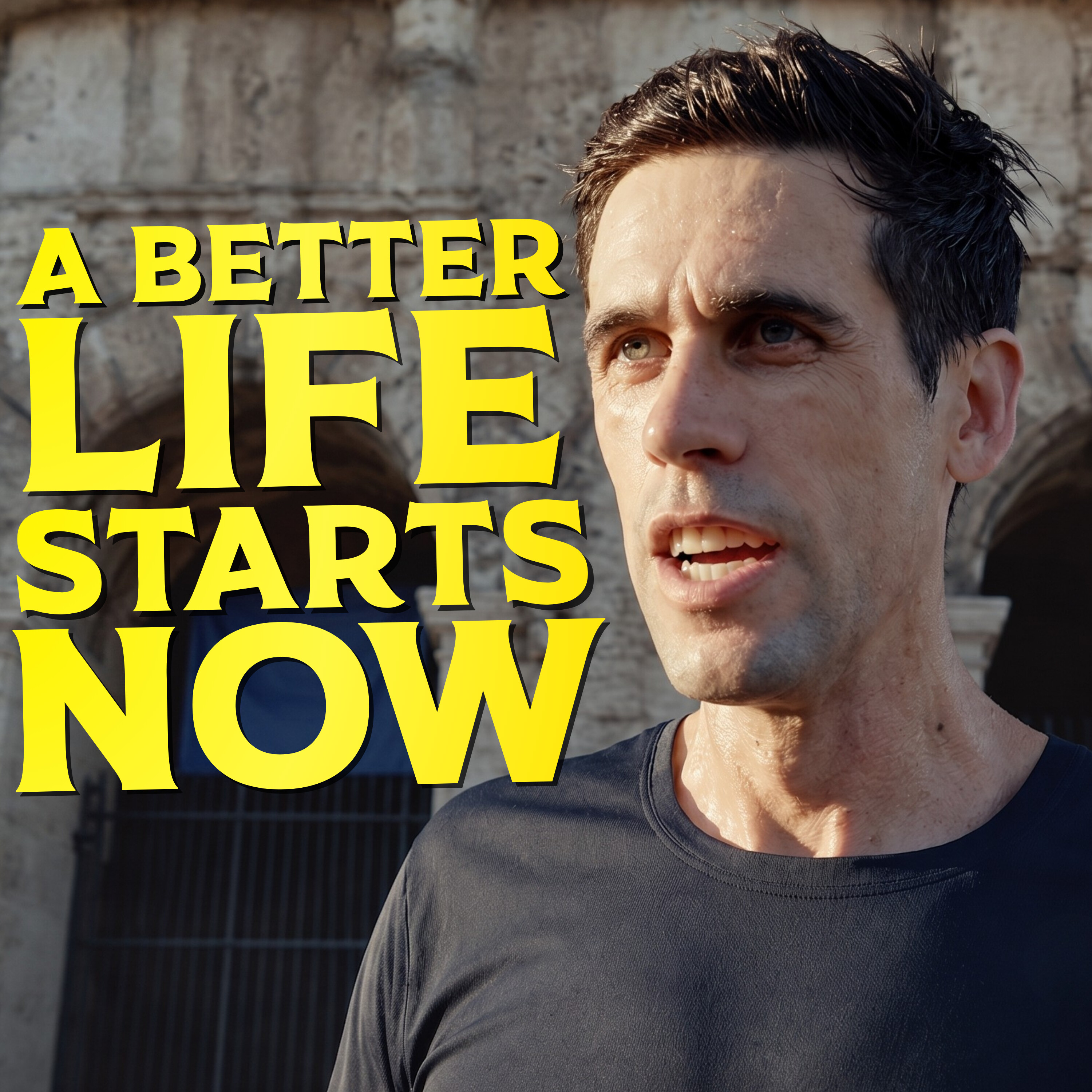
Overview of 9 Stoic Habits For A Better Life
This Daily Stoic episode argues that virtue and self-improvement are not traits you either “have” or “don’t have” — they’re built through repeated practice. Drawing on Aristotle, Epictetus, Seneca, Marcus Aurelius, and the broader Stoic tradition, the host frames a better life as the result of small, consistent habits: acting now instead of later, lowering the barrier to action, eliminating distractions, preparing for temptation, embracing hard things, asking for help, and returning quickly after setbacks.
The 9 Stoic Habits
1. Stop procrastinating and act now
- Procrastination is described as more than inefficiency — it’s a form of entitlement, because it assumes you’re guaranteed more time later.
- Stoicism teaches that the present moment is the only moment you control.
- If something matters, do the next right thing now.
2. Make change small and manageable
- Big transformations often fail because they feel overwhelming.
- The episode emphasizes “atomic” improvement: tiny actions that compound over time.
- Progress comes from small steps done consistently, not dramatic one-time efforts.
3. Lower the stakes and accept imperfection
- Perfectionism can create paralysis.
- The remedy is to give yourself permission to produce imperfect work.
- The message: show up, make progress, and produce a rough first draft rather than waiting for ideal conditions.
4. Do less so you can do more
- A key Stoic habit is removing the inessential.
- Cutting distractions, obligations, and shallow commitments creates space for what matters most.
- The example of Matthew McConaughey illustrates choosing a few priorities and doing them well instead of doing many things poorly.
5. Use commitment devices
- Like Odysseus tying himself to the mast, Stoicism encourages planning for your weaker self.
- Don’t rely on willpower alone; create systems that prevent bad choices in the moment of temptation.
- Examples include blockers, accountability partners, pre-decisions, and environmental controls.
6. Build physical discipline through hard actions
- Physical training is presented as a model for character training.
- Do hard things on purpose: walk, run, lift, take the stairs, plunge into cold water.
- The goal is to strengthen the “meta-muscle” of doing what’s difficult without letting reluctance decide.
7. Ask for help when you hit a wall
- Struggle is inevitable; the Stoic response is not stubbornness but wisdom.
- Asking for help is framed as a sign of commitment, not weakness.
- Mentors, friends, coaches, and family can provide the breakthrough you can’t generate alone.
8. Recover quickly after mistakes
- Self-improvement is not a smooth upward line; setbacks are part of the process.
- What matters is how fast you return to your principles after drifting or failing.
- Don’t use mistakes as excuses to spiral further.
9. Practice virtue beyond personal success
- Growth shouldn’t stop at productivity, fitness, or professional achievement.
- The episode stresses becoming a better friend, citizen, neighbor, and human being.
- Virtue is active: tip better, help others, speak honestly, volunteer, and contribute to your community.
Key Stoic Takeaways
- Virtue is a habit. Excellence is built through repeated action.
- Small actions compound. The basics matter more than we like to admit.
- Preparation beats willpower. Design your environment for success.
- Character matters as much as performance. Self-improvement should make you more humane, not just more productive.
- Resilience is returning quickly. The real test is how fast you get back on track.
Practical Action Items
- Pick one meaningful action you can do today, not tomorrow.
- Break your goal into the smallest possible step.
- Remove one nonessential distraction or obligation.
- Set up one commitment device to protect yourself from temptation.
- Do one hard thing you’ve been avoiding.
- Ask someone for help, feedback, or accountability.
- If you slip, reset immediately instead of spiraling.
Bottom Line
The episode’s central message is simple: you become the person you want to be by practicing the right habits, one day at a time. Stoicism here is not abstract philosophy — it’s a practical blueprint for acting sooner, living smaller and more intentionally, and steadily becoming more disciplined, courageous, just, and wise.