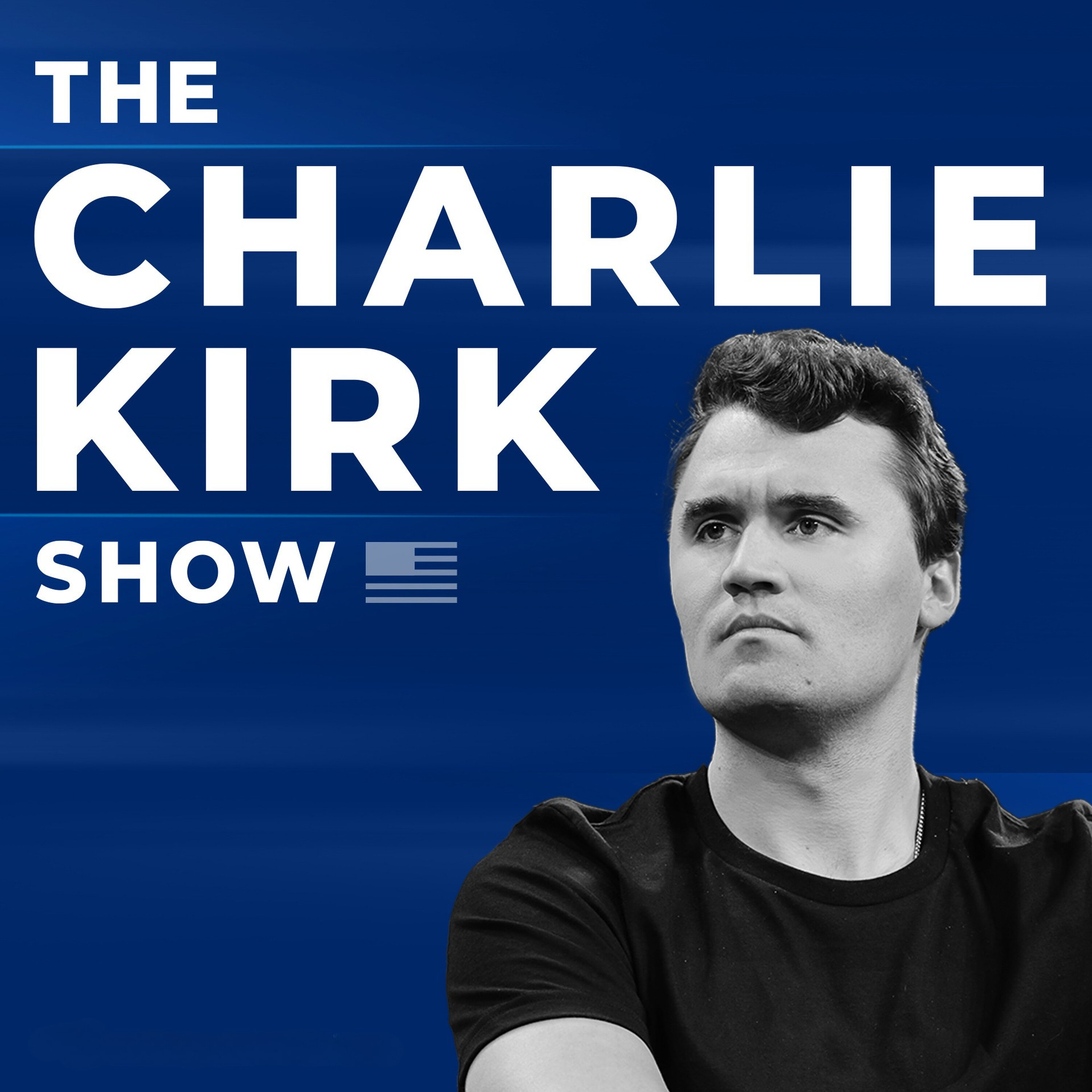
Overview of THOUGHTCRIME Ep. 144
Charlie Kirk and co-hosts spend this episode moving from a Catholic live-event segment in St. Louis to a series of culture-war topics: Fulton J. Sheen’s beatification, a viral Boston Globe story about a lesbian bar’s masking policy backlash, the return of Toys “R” Us as an “adult nostalgia” brand, and rumors around Paramount potentially involving Elon Musk. The episode mixes religious commentary, media critique, and broad arguments about how declining family formation, weak institutions, and ideology shape modern American culture.
Fulton J. Sheen, Catholic Tradition, and American Faith
A major opening segment focuses on Fulton J. Sheen’s beatification in St. Louis.
Main points discussed
- Sheen is portrayed as a towering American Catholic figure and a major communicator of Christianity.
- The hosts explain, in simplified terms, the Catholic distinction between:
- Christ as mediator
- saints as intercessors who can pray for believers
- They highlight Sheen’s influence as a television and radio personality, including his ability to compete with major entertainers.
- They also discuss his anti-communist messaging, his famous television style, and his legacy as one of the most visible religious figures of the 20th century.
Notable takeaways
- Sheen is framed as a model of public faith: unapologetic, media-savvy, and politically engaged.
- The episode emphasizes the idea that America needs a stronger shared moral purpose, not just freedom for its own sake.
Anti-Communism, Freedom, and Moral Order
The hosts repeatedly return to Sheen’s argument that freedom without purpose leads to emptiness.
Key themes
- Freedom should be tied to virtue, responsibility, and transcendent meaning.
- The hosts connect Sheen’s anti-communism to modern concerns about state power, ideology, and social decay.
- They argue that Western civilization weakens when it loses a unified faith or moral goal.
The Boston Globe Lesbian Bar Story
One of the most extended sections covers a Boston Globe feature about a lesbian bar in western Massachusetts and the backlash over changing its mask policy.
What happened
- The bar changed from requiring high-grade masks to making masking optional on some nights.
- That decision triggered a furious online reaction from patrons and activists.
- The hosts read the article as a vivid example of how far some activist subcultures have taken pandemic-era identity politics.
Why it mattered on the show
- They present the story as a case study in:
- woke infighting
- performative activism
- obsession with purity tests
- the lingering hold of COVID-era behavior in certain communities
- The hosts also praise the article’s reporting style, saying it’s funniest when the journalist simply describes the chaos without editorializing.
Broader commentary
- The discussion expands into comparisons between different LGBTQ subcultures, social behavior, and political identity.
- The hosts use the story to argue that some progressive spaces are inward-looking, hyper-political, and detached from ordinary life.
Toys “R” Us, Nostalgia, and Adult Infantilization
The episode then shifts to the return of Toys “R” Us, framed not as a children’s brand revival but as part of a broader “adult toy” / nostalgia economy.
Main argument
- The hosts say many adults are buying toys, collectibles, and franchise merchandise because they never fully transitioned into family life.
- They connect this to:
- delayed marriage
- low birth rates
- weak homeownership
- the rise of “Disney adults,” collectors, and franchise obsessives
Examples discussed
- LEGO sets designed for display, not play
- Pokémon cards
- Star Wars and other fandom-driven consumer products
- The idea that companies now target adults with childhood brands because adults have disposable income and emotional attachment
Their conclusion
- The trend reflects both economics and values:
- people can’t or don’t form families
- many prefer consumer comfort and perpetual adolescence
- The episode frames this as a symptom of cultural immaturity.
Paramount, CNN, Warner Bros., and Elon Musk
Later, the conversation turns to a possible Paramount deal involving Elon Musk and broader media consolidation.
Main points
- The hosts discuss Paramount’s push for major media assets, including CNN-related influence through a potential merger or acquisition.
- They speculate about what it would mean if Musk had a stake in the deal.
- They also discuss:
- Warner Bros. leadership
- James Gunn and DC film criticism
- Hollywood’s declining centrality in production
Hollywood relocation and industry decline
- They explain that film and TV production has been moving away from Los Angeles for years due to:
- lower costs elsewhere
- tax incentives
- better studio infrastructure in places like Atlanta
- the rise of digital production and remote collaboration
- The hosts argue that LA’s dominance is fading and that the studio system is becoming geographically decentralized.
Recurring Themes
Moral decline and arrested development
The episode repeatedly argues that modern culture encourages:
- prolonged adolescence
- avoidance of responsibility
- consumer distraction
- anti-family values
Institutions and media
The hosts treat the episode’s stories as evidence that:
- traditional institutions are weakening
- media and entertainment are fragmented
- activism often becomes self-parody
- nostalgia is now a major commercial force
Bottom Line
This episode is part tribute, part culture-war commentary. Its strongest throughline is that America needs moral seriousness, family formation, and transcendent purpose—not just entertainment, identity politics, or consumer nostalgia. Fulton Sheen is held up as the model: a charismatic public Christian who used media to preach conviction rather than confusion.