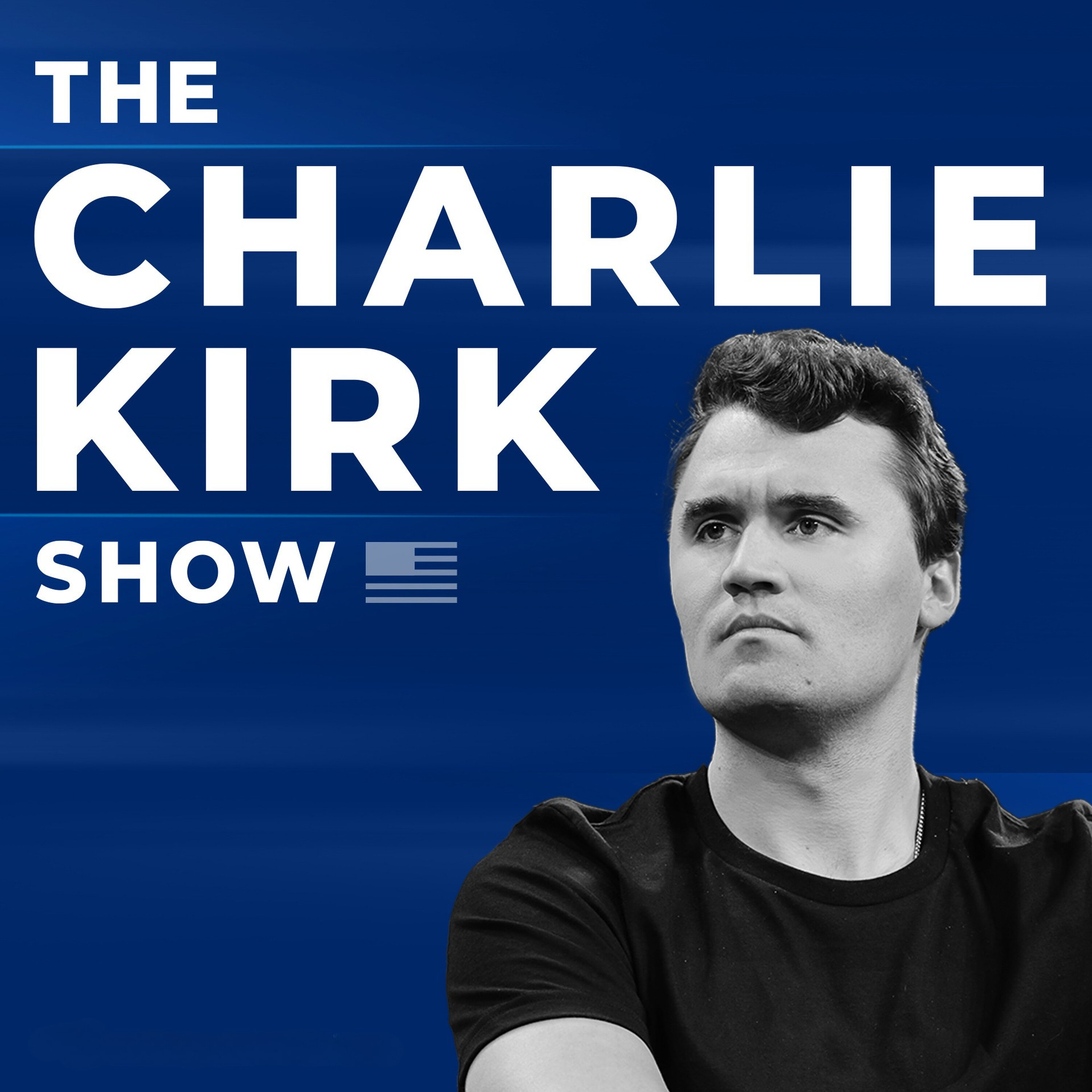
Overview of Where We Got "Woke Church": Charlie and Nathan Finochio at Freedom Night in America
Charlie Kirk hosts a live Freedom Night conversation with pastor/educator Nathan Finochio (TheosU founder). They diagnose “woke” influence in the modern church, explain how deconstructionism operates, highlight where revival is happening (especially among Gen Z), and argue for a return to a worship-centered, priestly ecclesiology. The discussion moves from theological roots (Enlightenment, seeker-sensitive ministry) to practical signs to watch for in pulpits, and closes with cultural concerns about Islam, immigration, and cultural assimilation.
Key points / main takeaways
- “Woke” in the church is not purely new — its intellectual roots trace to the Enlightenment; recent shifts were accelerated by seeker-sensitive strategies that prioritized attracting people over pleasing God.
- Deconstructionism is a major expression of woke influence: it applies secular critical tools to Scripture, problematizes biblical authority, and frequently pits a sentimental “hippie Jesus” against the apostle Paul.
- A simple diagnostic for deconstructionism: when teachers pit Jesus against Paul, downplay the Old Testament, or impose modern secular values on Scripture.
- Revival signs: increasing Christian interest among Gen Z, rising popularity of explicitly Christian music/artists, and renewed emphasis on encounter with God rather than consumer-style church experiences.
- Solution for sustaining revival: move congregations from consumerism to a priesthood mindset — worship, encounter with the Holy Spirit, sacrificial giving, prayer, preaching, and the sacraments produce the presence of God.
- Cultural concerns: Finochio and Kirk emphasize the need for Christian literacy about Islam as a political-religious force distinct from other faiths, and argue for assimilation (not unchecked multiculturalism) as a condition of preserving a shared civic culture.
Topics discussed
- Nathan Finochio’s background: Canadian roots, Bible college experience, youth pastoring, founder of TheosU — affordable, conservative, Spirit-emphasizing theological training.
- Definition and history of “woke” within the church: Enlightenment skepticism → reinterpreting miracles → seeker-sensitive shift.
- Deconstructionism: methods, examples, and its appeal especially among influencers who favor a reduced, morally selective Jesus.
- Jesus vs. Paul: why deconstructionists often valorize a sentimental Jesus while criticizing Paul’s pastoral, corrective letters.
- Revival dynamics: Gen Z’s growing interest in Christianity; role of music and aesthetics; comparison with Catholic liturgical attraction (Eucharist, Mass).
- Church practice: priesthood theology vs. consumer church, the role of liturgy, sacraments, preaching, worship, and Holy Spirit encounter.
- Cultural threats: the rise of progressive theology in seminaries/Bible schools, Islamic ideological/political dynamics, immigration and assimilation, multiculturalism vs. multi-ethnicism.
Notable quotes / concise insights
- “Call something unfair or unjust until you control it.” — compact definition of how woke narratives operate as a power strategy.
- “Every acceptable sacrifice has a divine response.” — argument that obedience and sacrificial worship elicit God’s presence.
- “The church is meant to facilitate worship.” — summary of ecclesial purpose over consumer entertainment.
- “Jesus is coming back for a powerhouse, glorified church.” — optimistic eschatology that expects a regenerated, effective church.
- Distinction emphasized repeatedly: separate individual persons (who deserve Christian compassion) from political/religious ideologies that may be militant.
How to spot deconstructionism (practical indicators)
- Pitting Jesus against Paul or dismissing Pauline correction as oppressive.
- Claiming the Old Testament is largely irrelevant to New Testament faith.
- Reading the Bible through contemporary political/Marxist categories rather than submitting to Scripture’s own claims.
- Reducing Jesus to a one-dimensional, purely social-justice figure while rejecting biblical moral demands.
Recommendations & action items (from the conversation)
- For pastors and churches:
- Shift congregational identity from consumer to priest: emphasize sacrificial worship, presence of God, sacraments, and equipping the saints.
- Teach robust biblical literacy that resists importing secular hermeneutics into Scripture.
- Encourage practical discipleship: prayer, repentance, preaching, communion, and faithful stewardship.
- For Christian leaders/educators:
- Provide accessible, theologically conservative training (e.g., models like TheosU).
- Engage deconstructionist influencers to understand and respond to their arguments.
- For broader Christian communities:
- Learn about Islam historically and politically (distinguish ideology from individuals).
- Practice Christian charity toward neighbors while recognizing ideological distinctions.
- Support assimilation and a common civic culture (advocated by the speakers as necessary to social cohesion).
Threats and trends to monitor
- Growth of progressive theology and deconstruction in seminaries and Bible colleges.
- Consumer-driven church culture that prioritizes attendance metrics over spiritual formation and encounter.
- Increasing public interest in Christianity among young people (revival opportunity) — sustain it by focusing on holiness and encounter.
- Geopolitical and cultural shifts related to Islam, immigration, and multiculturalism that require more Christian education and strategic engagement.
Bottom line
Kirk and Finochio argue the church’s main battle is theological and pastoral: resist deconstructionism by restoring biblical authority, recover priestly worship (not consumer entertainment), and equip believers to engage contemporary cultural challenges with both compassion for individuals and clarity about ideologies. The conversation is both diagnostic (what’s wrong) and prescriptive (how churches should respond).