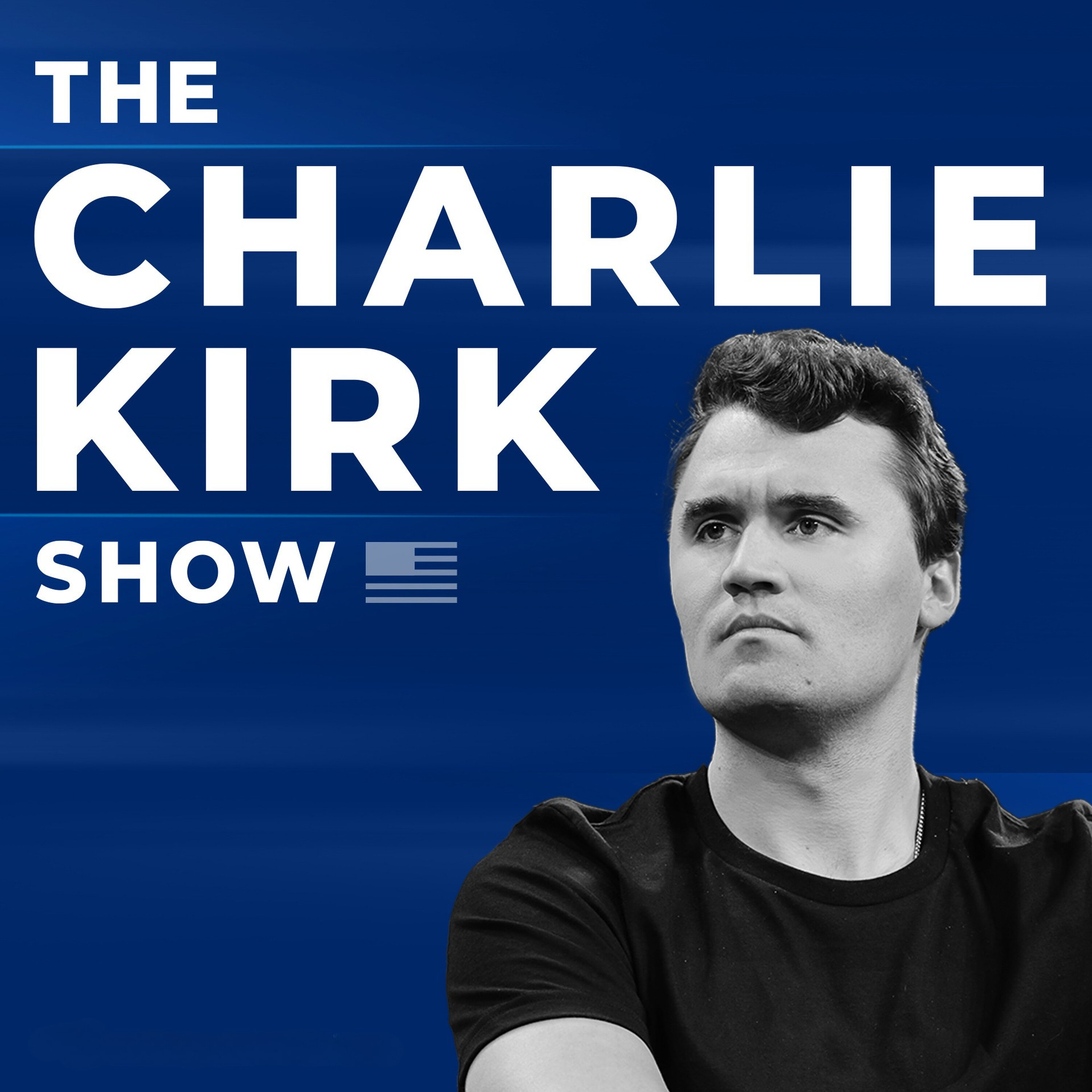
Overview of THOUGHTCRIME Ep. 114 — All‑American Halftime Hoopla + AI Scott Adams? + Roblox ICE Raids?
Hosts: Charlie Kirk (primary), with co‑hosts Blake, Tyler, Andrew and Jack.
Format: conversational roundup blending event promotion (Turning Point’s “All‑American Halftime”), media/culture commentary, and technology ethics (AI likenesses), ending with brief culture-war asides.
Main segments and topics
1) All‑American Halftime show — what they announced and why it matters
- Lineup confirmed: Kid Rock, Brantley Gilbert, Lee Brice, Gabby Barrett. Marketed as an alternative/cultural counterprogramming to the other halftime performance.
- Streaming / viewing options: Rumble and Turning Point social channels (TPSA/TPO/YouTube/X), plus over‑the‑top/syndication mentions — Sinclair/Charge/Samsung TV Plus/YouTube TV/Hulu/Sling, Daily Wire Plus, TBN, Real America’s Voice.
- Distribution emphasis: Audience encouraged to watch “Kid Rock” set as a cultural statement (they promoted americanhalftimeshow.com).
- Production notes and logistics: hosts praise the events/media team, stress the unusually difficult logistics of assembling artists on short notice (contracts, label restrictions, tour conflicts, cross‑label permissions).
- Tone and positioning: Presents the show as a patriotic, family‑friendly alternative; framed as an exercise in “winning the culture.”
Notable backstage anecdotes:
- Charlie recounts a past event where Secret Service limited metal detector usage/entrances, causing long lines and heat issues — used to illustrate the difficulties of staging big events.
- Jack and team describe rehearsal scale and liken production value to major televised award shows; Kid Rock has reportedly been heavily involved in rehearsal and production.
- Kid Rock’s Spotify/YouTube top tracks were referenced (e.g., “All Summer Long,” “Bawitdaba,” “Cowboy”).
2) Scott Adams / AI clone controversy
- Background: Scott Adams (creator of Dilbert, political commentator) had publicly stated he would allow an AI model built from his work to continue “as if” him after his death.
- Recent development: An “AI Scott Adams” account/content has been created and posted (hosts played an AI intro clip). The AI piece mimicked Adams’ style and even signature bits (e.g., “simultaneous sip”).
- Reversal and dispute: After Adams’ death he reportedly changed his mind and rescinded permission; Adams’ family/community asked that the AI not continue. The AI operators counter that prior permission existed and claim parody/fair‑use justification.
- Legal/ethical issues discussed:
- Likeness and posthumous rights: Are there legal protections for deceased public figures? How enforceable are they for AI-generated speech/content?
- Copyright and training data: Ongoing lawsuits about copyrighted works being used to train models; unclear boundaries on style‑mimicry.
- Social risks: gradual drift from original intent, synthetic speech used to mislead, erosion of trust (difficulty proving what a real person actually said/said not), and risks of malicious exploitation.
- Hosts’ positions: sympathy for family wishes; concern about slippery slope and broader harms. They treated the Adams case as a real‑time example of legal and cultural gaps.
3) Additional topical notes (short)
- Alleged Venezuela link to Bad Bunny: hosts discussed reporting that Bad Bunny’s record label (Remus Entertainment) was founded by an individual formerly tied to Hugo Chávez’s government, raising questions about funding/links. They recommend looking up the reporting (Yahoo News, Dallas Express noted).
- Roblox / ICE raids: hosts briefly referenced viral content/role‑play of ICE deportation raids in Roblox (and related protests in the game) — framed as an example of digital politics/activism and the strange crossover of enforcement narratives into virtual spaces.
- Wider AI speculation: extended conversation about deepfakes, AI personas, “fake influencers” and the monetization of synthetic people (news anchors, streamers, porn/OnlyFans concerns). They flagged potential for full fake careers or simulated sports and predicted incentives for newsrooms to adopt AI anchors for cost reasons.
Notable quotes & soundbites
- “Win the culture.” — Charlie’s stated goal (quoted in the show and referenced as rationale for the halftime project).
- On Scott Adams’ original permission: “I would like to give permission that any AI built based on me has my permission to extend my personality.”
- On AI risk: “It’s going to get increasingly more difficult to trace what’s real and what’s not.”
- Promotional rally call: “This Sunday, go and change the channel, turn off Bad Bunny, put on Kid Rock…and go commit thought crime.”
Key takeaways
- Turning Point has staged a high‑profile, culturally framed halftime show featuring mainstream country/rock artists as an alternative to the other halftime performance; distribution is broad and heavily promoted.
- Producing one‑off halftime shows on short notice is legally and logistically complex — artists’ contracts, labels, tours, and cross‑collaboration rules are major hurdles.
- The Scott Adams/AI episode illustrates current legal and ethical ambiguity around AI replicas of human creators:
- Prior consent vs. rescission: families and communities may object even if prior permission existed.
- Lack of clear legal frameworks on posthumous AI likeness and rights to “digital clones.”
- Broader social harms include misinformation, erosion of provenance, and monetization of synthetic personas.
- Virtual platforms like Roblox are becoming arenas for political messaging and simulated enforcement/protest content — blurring lines between game, activism, and propaganda.
Actions & resources mentioned
- Watch the All‑American Halftime show: americanhalftimeshow.com; stream on Rumble and Turning Point channels; other syndication options listed in the episode.
- For the Scott Adams story: hosts suggested searching recent coverage (examples: Yahoo News, Dallas Express) and following family/community statements to understand consent status.
- General recommendation (implied): audiences should be skeptical of synthetic content and expect continued debates about regulation and estate/trust protections for digital likeness.
Why it matters
- Culture war + media strategy: the halftime show is framed as a deliberate cultural intervention by a high‑profile conservative media org — a test case for political entertainment alternatives.
- AI governance is no longer theoretical: real examples (AI Scott Adams) show the technology outpacing norms and law, raising urgent questions about authenticity, consent, and accountability.
- Digital worlds are political: virtual platforms (games, social media) are increasingly used to simulate or dramatize political acts — and these spaces will complicate how we understand protest, enforcement, and media narratives.
For listeners wanting the short version: the episode promotes Turning Point’s patriotic halftime show (Kid Rock headlining), debates real‑world logistics and cultural significance, and uses the Scott Adams AI episode as a springboard to warn about systemic risks from synthetic personas and deepfakes.