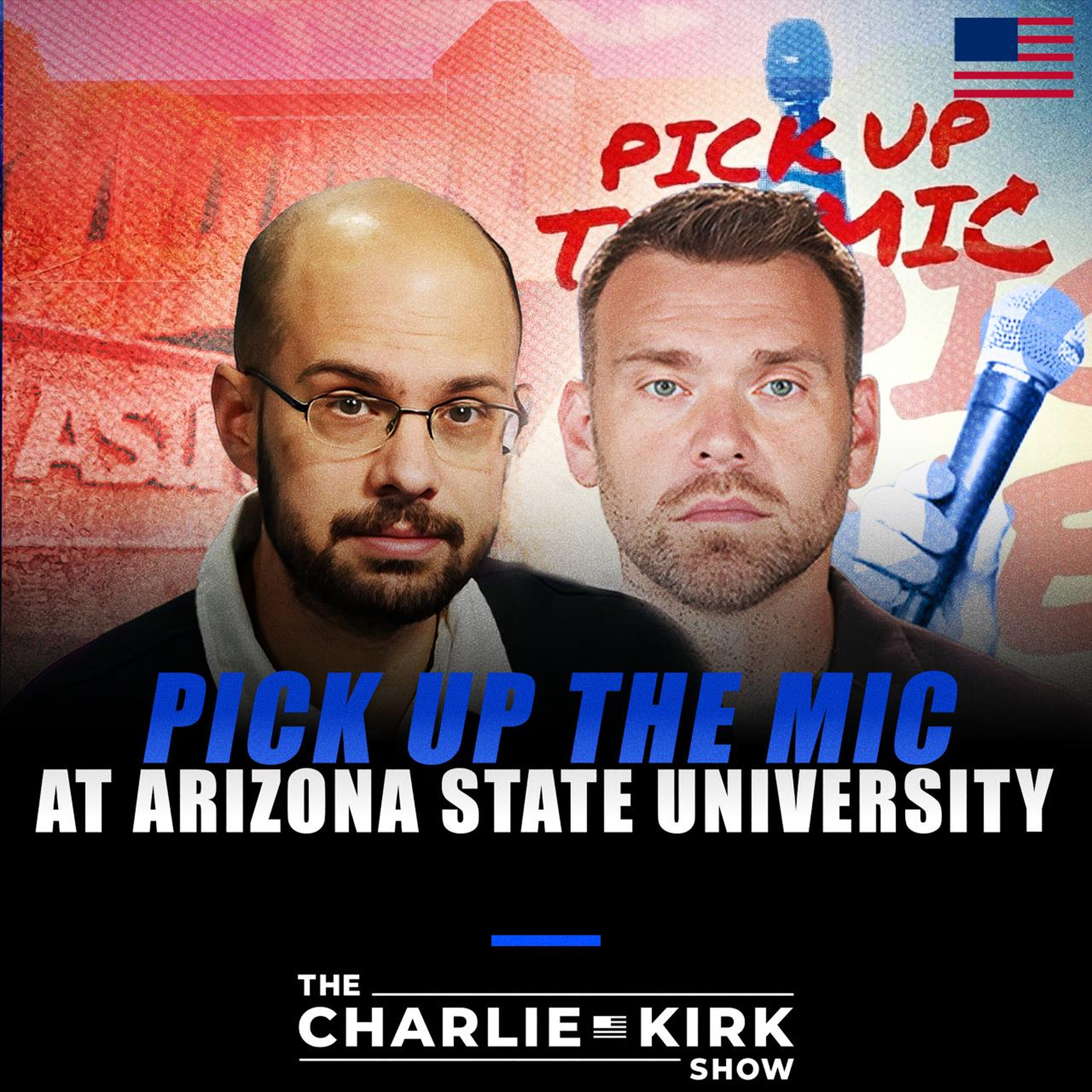
Overview of Pick Up The Mic: Blake and Jack at Arizona State University
This is a live Turning Point–style campus event hosted by Charlie Kirk featuring Blake Neff (former Tucker Carlson writer, Charlie Kirk Show staffer) and Jack Posobiec. The program mixes a tribute to Charlie Kirk’s debating style and legacy with audience Q&A on topics that include free speech on campus, anti‑Semitism, Turning Point governance questions, Jeffrey Epstein disclosures, immigration and farm labor, foreign policy (Iran/Venezuela/Cuba), climate/technology, political violence and online radicalization, and practical advice for student activists.
Key takeaways
- Tribute to Charlie Kirk: Speakers emphasized Charlie’s discipline, relentless prep, humility, and belief in winning arguments through debate rather than violence. Preserving his free‑speech strategy and continuing grassroots campus organizing were presented as the best ways to honor his legacy.
- Free speech framing: Both speakers defended broad free‑speech protections. They condemned celebratory responses to Charlie’s murder as morally loathsome but maintained those expressions are legally protected speech.
- Campus organizing advice: Maintain composure, “hold frame,” record harassment or disruptions, build local chapters, and prioritize in‑person engagement to humanize opponents and reduce online‑driven extremism.
- Anti‑Semitism: Acknowledged as a real problem on the right and campus; advice: don’t apologize for identity, call out explicit conspiracism (e.g., “Jews control everything”), and engage with charity of interpretation while drawing hard lines against clear anti‑Semitic rhetoric.
- Turning Point controversies: Allegations about CIA links and removed board listings (e.g., Paul Vallely) were raised. Speakers pushed back: contract work or past media gigs aren’t proof of nefarious activity; Erica Kirk’s leadership was defended as Charlie’s choice and as the organization’s. They denied coordinated narrative control.
- Epstein files and accountability: Speakers want arrests and more transparency but cautioned against blanket public dumps that create guilt‑by‑association. They argued for targeted prosecutions supported by credible evidence.
- Immigration & labor: Position favored stronger enforcement/deportations and replacing unauthorized seasonal labor with automation (robotics, AI), possibly subsidized transition for farmers; acknowledged short‑term economic pain but framed it as a long‑term necessity for rule‑of‑law and national cohesion.
- Foreign policy: Skepticism of open‑ended nation‑building; support for targeted actions but caution about escalation (especially Iran). Alternatives (cyber, interdiction) suggested for strategic objectives like neutralizing chokepoints.
- Climate & energy: Speakers expressed techno‑optimism—embracing new energy tech (Gen‑4 nuclear) and innovation rather than degrowth; argued abundant energy drives problem‑solving and prosperity.
- Political violence and online discourse: Online isolation and economic dislocation were connected to radicalization; solution emphasized more face‑to‑face civic engagement, stronger communities (including church), and severe legal consequences for actual violent actors.
Notable quotes
- “If the most important thing for you is just feeling good, you’re going to end up miserable. But if the most important thing is doing good, you will end up purposeful.” — Charlie Kirk (quoted)
- “Every setback for Charlie was always an opportunity to just learn more, get better.” — on Charlie’s debate prep and discipline.
- “You can change this country with a microphone, with some bravery, and with some actual diligence, taking action.” — on civic engagement as the path forward.
- “Don’t get angry. Never be in a situation where you are being overwhelmed. Maintain your frame.” — practical advice for campus tablers/activists.
- “We responded with prayers. We responded with togetherness. We responded with unity. We responded with peace.” — describing conservative response after Charlie’s murder.
Q&A highlights (grouped by topic)
Charlie Kirk’s approach & legacy
- Emphasis on daily grind: heavy prep, rehearsal, expert sourcing, color‑coded binders and constant sharpening of arguments.
- Legacy: speakers urged continuation of campus organizing, debate, and voter engagement; warned against abandoning Charlie’s strategy.
Free speech and campus climate
- Strong defense of free‑speech absolutism (Blake more absolutist than Jack).
- Both denounced violence and celebrated campus debate as the proper mechanism to settle disputes.
- Recommended human, in‑person engagement to reduce online‑fueled dehumanization.
Anti‑Semitism and Jewish students on campus
- Acknowledgement of anti‑Semitic jokes/attitudes among some on the right and on campus.
- Counsel: don’t seek offense constantly, call out explicit conspiracies, and refuse second‑class treatment.
Turning Point leadership & conspiracy claims
- Audience raised CIA‑related videos and removed board names; speakers denied coordination, framed past media/contract work as normal background, and defended Erica Kirk’s leadership (said it was Charlie’s explicit plan).
Jeffrey Epstein disclosures & accountability
- Strong desire for prosecutions and greater accountability.
- Warning against rushing to blanket releases that lead to guilt‑by‑association—advocated for credible, prosecutable evidence.
Immigration, agriculture, and automation
- Policy position: stricter enforcement, deportations, and long‑term replacement of unauthorized labor through automation and tech subsidies for farmers to transition.
- Recognized short‑term economic challenges and proposed government support during transition.
Foreign policy: Iran, Venezuela, Cuba, KarG Island
- General skepticism toward nation‑building; preference for targeted actions.
- On potential seizure of KarG (Strait of Hormuz) — acknowledged feasibility issues and heavy costs; suggested cyber and interdiction options.
Climate, energy, and techno‑optimism
- Support for tech solutions (Gen‑4 nuclear, AI, automation) and rejection of degrowth; argued innovation scales from abundant energy.
Political violence and online radicalization
- Linked economic dislocation and online atomization to political violence.
- Recommended building real communities, encouraging on‑campus debate, and strict legal enforcement against violent actors.
Student activism & practical tips
- Start Turning Point chapters, get involved in local outreach, keep composure in confrontations, film disruptions, and rely on organizational support.
- Personal advice: be a “happy warrior” — kind, disciplined, consistent.
Actionable recommendations (for students and listeners)
- If politically active: start/join a campus chapter; prioritize in‑person organizing and debate.
- When confronted on campus: stay calm, “hold frame,” de‑escalate, record incidents, and report them to org and security.
- To address anti‑Semitism or targeted harassment: call out explicit conspiracism, don’t apologize for identity, educate peers with charity and firmness.
- For farmers and policy makers: explore automation incentives/subsidies to replace unauthorized seasonal labor and plan for transition costs.
- On civic health: invest in community institutions (churches, local groups) to reduce online atomization and humanize political opponents.
Who spoke and stance summary
- Charlie Kirk (quoted/featured): founder/face of Turning Point movement; portrayed as disciplined debater who emphasized free speech, activism, and grassroots organizing.
- Blake Neff: defended free speech, emphasized Charlie’s prep and humility, argued for continuity of Charlie’s methods; more absolutist on speech.
- Jack Posobiec: similarly defended free speech, discussed foreign policy and practical measures, urged caution about escalation and evidence‑based prosecution.
Overall impression
The event mixed memorial reflection with practical political organizing advice and a broad conservative policy Q&A. The recurring themes were preservation of free speech and campus organizing, confidence in debate over violence, techno‑optimism for economic transitions, and calls for accountability in high‑profile scandals—balanced with cautions about due process and the dangers of blanket accusations. The tone combined advocacy, practical campus tips, and calls for unity and continued action in Charlie Kirk’s name.