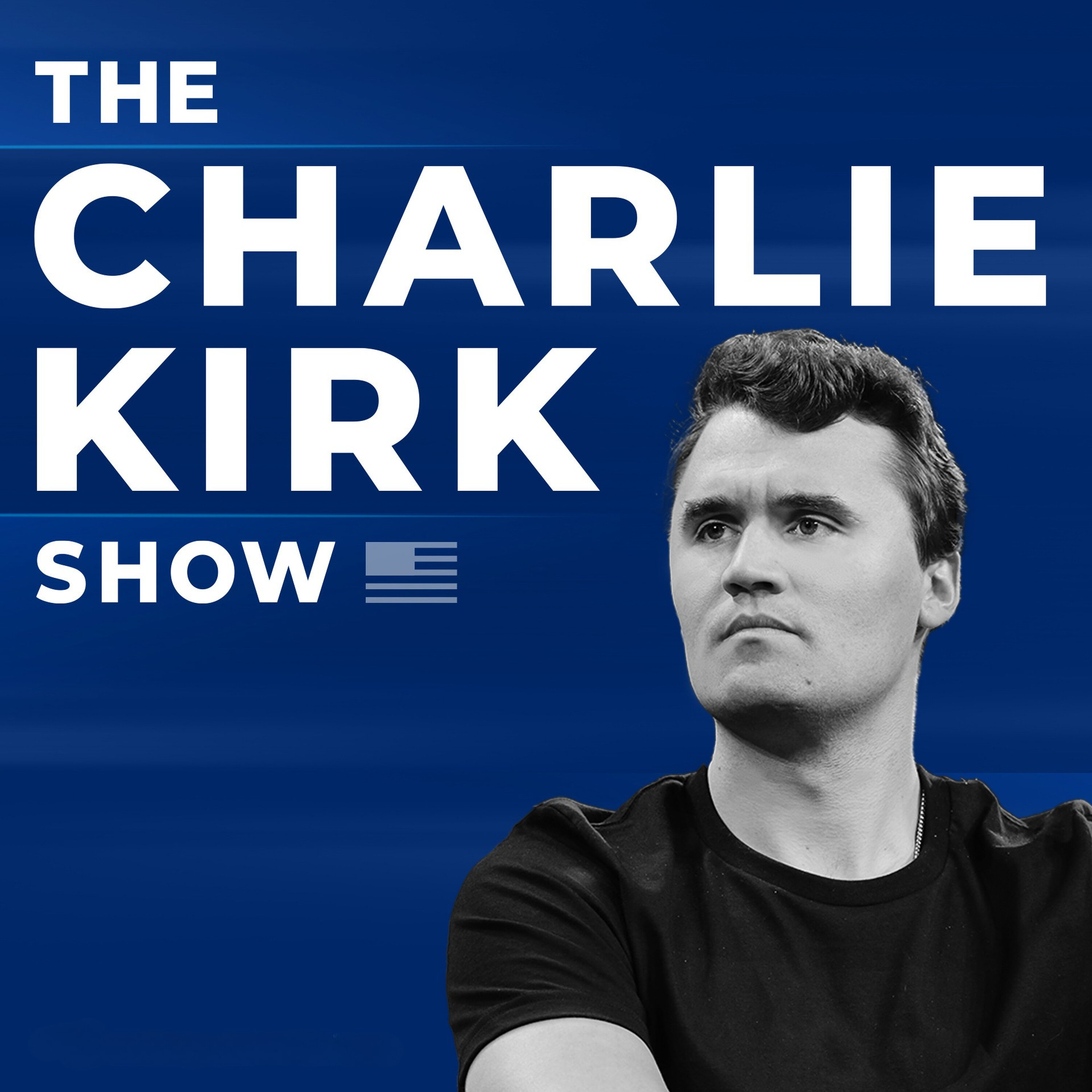
Overview of The Charlie Kirk Show — "Hillary Clinton Is Back, And She's Going After Allie Beth Stuckey"
In this January 30, 2026 episode Charlie Kirk opens with organizational/promotional remarks and moves through several news items — most prominently the federal arrest of CNN’s Don Lemon, legal developments in a high-profile murder case, and growing protests/anti‑ICE actions — before hosting Allie Beth Stuckey (Relatable, The Blaze) to discuss social‑media manipulation, "toxic empathy," and Hillary Clinton’s recent Atlantic piece criticizing Stuckey’s book. The episode mixes cultural commentary, conservative critique of progressive activism, warnings about social‑media-driven outrage, and calls for conservative activism and moral clarity.
Key topics covered
- Reaction to CNN’s Don Lemon being arrested while covering a Minneapolis protest inside a church; Charlie’s view that Lemon was participating/cheering protesters, not neutrally reporting.
- Legal charges mentioned (host cites 18 U.S.C. §241 conspiracy to deprive rights and 18 U.S.C. §248 FACE Act violations).
- Dismissal of a top murder charge in the case of "Luigi Mangioni" (as referenced on the show), removing death‑penalty exposure.
- Concerns about "assassination culture" and the risk of radicalized imitators.
- Social‑media dynamics (Instagram/TikTok) that elevate emotion over facts and amplify selective outrage.
- Interview with Allie Beth Stuckey about her book Toxic Empathy and Hillary Clinton calling her a “Commissar of MAGA morality.”
- Calls to conservative activism: start Turning Point chapters, engage churches, cultivate moral formation, and push back on propaganda.
Main arguments and takeaways
- Charlie’s framing on Don Lemon: he argues Lemon crossed from journalism into active participation with protesters (disruption inside a church), so arrest was lawful — not a "free press" crackdown. Host dismisses media outrage as predictable and hypocritical.
- Social media breeds emotional, decontextualized narratives that spread faster than corrections; first images/claims shape public perception and are rarely fully corrected.
- Progressive movements intentionally leverage empathy and victim‑veneration to advance policies (open borders, defund police) by tapping emotional responses rather than facts.
- Allie Beth Stuckey: "toxic empathy" is the misuse of Christian compassion to justify harmful policies; compassion should be guided by truth, logic, and biblical moral principles.
- The response to current protests is part of a repeated pattern of selective outrage (cited cycles: Trayvon Martin, Michael Brown, George Floyd, Roe v. Wade, 2024 election narratives).
- Practical approach: don’t repost ragebait; verify context; cultivate moral and intellectual formation; engage in the comment threads to correct misleading narratives.
Notable quotes & soundbites
- Charlie on press accountability (ironically referenced): “Nobody is above the law.”
- Hillary Rodham Clinton (as quoted by Charlie/Allie): called Allie “the Commissar of MAGA morality.”
- Allie Beth Stuckey: “We should see the humanity in [immigrants or rape survivors] … but that compassion should not lead us to affirm sin or support destructive policy.”
- Interview summary line: “Empathy should not be your guide; moral truth must be your guide.”
Guest segment — Allie Beth Stuckey (summary)
- Context: Allie’s book Toxic Empathy critiques how progressives exploit Christian compassion; Hillary Clinton’s Atlantic piece singled her out and used critics’ partisan framing.
- Core argument: Compassion must be tethered to truth and moral reasoning; feeling bad is not a substitute for sound policy that protects citizens (e.g., immigration enforcement, public safety, pro‑life stances).
- Social‑media critique: Instagram/TikTok prioritize emotion; visual images and simplified narratives go viral and shape public opinion before facts can be checked.
- Practical encouragement: be selective about what you repost, ask “how do I know this is true?”, and cultivate moral formation through faith leaders/critical thinking.
- Tone: defensive of conservative Christians' ability to hold nuanced compassion without endorsing progressive policy; optimistic that more voices now resist reflexive virtue signaling than in 2020.
Context & background notes
- Host’s opening remarks include typical Turning Point USA recruitment/activation messaging: start chapters, engage churches, promote conservative activism.
- The show combines news commentary, cultural critique, guest interview, and sponsor/advertisement segments (e.g., Preserve Gold, Thank You Dr. Fauci documentary pitch, YReFi).
- Several names and event citations are discussed with partisan framing; the host and guest frequently interpret media narratives as intentionally manipulative.
Recommendations / calls to action from the show
- For listeners:
- Don’t repost or amplify decontextualized, emotionally manipulative content without checking facts.
- Engage in comment sections to correct lies and push back on misleading narratives.
- Support conservative activism: start/participate in Turning Point chapters and local organizing.
- Cultivate moral and intellectual formation (churches, pastors, thoughtful media consumption).
- For conservatives worried about social media influence:
- Build "immunity" to rage‑bait by practicing critical thinking, asking for context, and resisting virtue‑signaling pressure.
Bottom line
The episode frames recent arrests and protests as examples of progressive weaponization of empathy and social media, arguing that emotional manipulation fuels destructive policies and real‑world dangers. Allie Beth Stuckey’s interview reiterates the core thesis of her book: compassion must be governed by truth and moral principles, and conservatives should actively resist reflexive, decontextualized outrage online while organizing politically and spiritually.