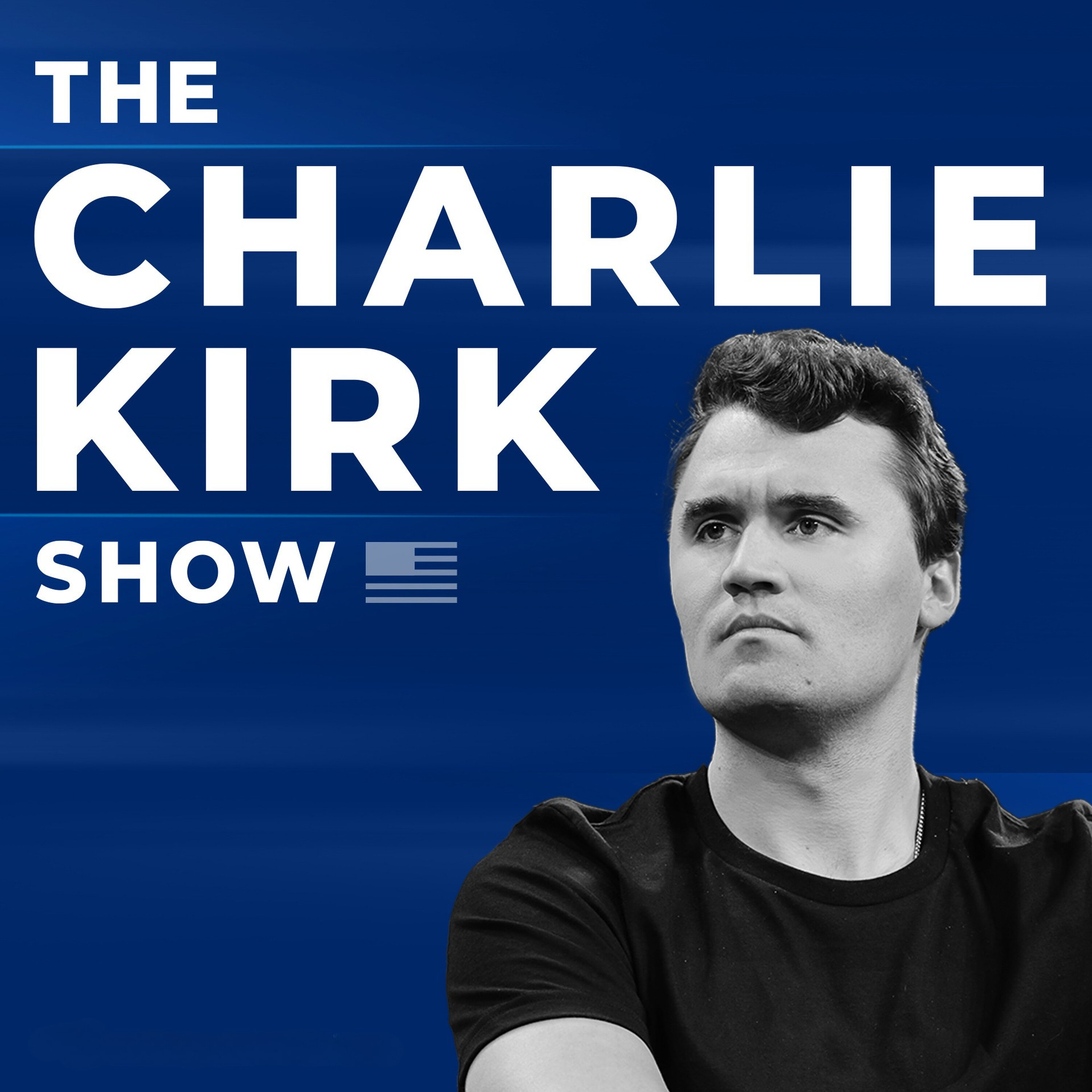
Overview of From the Archive: Why Pastors Cannot Be Silent — Charlie's 2024 Pastor's Summit Speech
Charlie Kirk argues that pastors and churches should be far more active in public life, especially in the 2024 election cycle. His core message is that Christian leaders should not stay silent on moral and political issues like abortion, border security, gender ideology, and voting, because the church is meant to be a moral conscience for society—not a place of passive affirmation. He frames the moment as urgent, claiming that Christian disengagement is weakening both the church and the country.
Core Message
Kirk’s central thesis is simple:
- The church should speak plainly about moral truth.
- Pastors should guide congregants on how to think and vote biblically.
- Silence from the church has allowed cultural and political decay to accelerate.
- Christians should not separate faith from civic responsibility.
He repeatedly argues that pastors are supposed to be “spiritual doctors” who correct sin and moral confusion, not merely reassure people.
Main Arguments
1. The church has become too cautious and non-confrontational
Kirk criticizes pastors who avoid controversial topics because they want to remain liked, avoid conflict, or preserve big churches and large budgets. He argues this fear of offense has made many churches ineffective.
2. Voting is a moral issue, not just a political preference
He says Christians should not treat elections as neutral or secondary. In his view:
- Abortion alone should motivate church engagement.
- Christians should be taught how to vote “biblically.”
- Moral beliefs should shape political choices just as they would in other areas of life.
3. Pastors should be the “unapologetic counselor to the king”
Kirk describes the church as the nation’s moral conscience, comparing faithful pastors to biblical figures like:
- Esther
- Mordecai
- Nehemiah
- Jeremiah
- Daniel
He says pastors should actively shape public life toward Christian values rather than retreat into privatized religion.
4. The church must resist cultural trends that normalize sin
He argues that churches should not affirm what Scripture calls sinful. He specifically criticizes:
- abortion
- transgender ideology / gender mutilation
- pornography
- adultery
- drug use
- moral relativism
His broader claim is that if the church won’t clearly distinguish good from evil, the culture will become confused and morally inverted.
5. Christians should not use “Jesus is coming soon” as an excuse for inaction
Kirk rejects the idea that end-times expectations justify disengagement. He says believers should ask themselves whether they want to be found cowardly or faithful if Christ returns.
6. “Lesser of two evils” still matters
He acknowledges that no political candidate is perfect, but says Christians still need to consider the practical consequences of leadership teams and policy outcomes. He argues that electing a president means endorsing a broader governing coalition, not just a single person.
Biblical and Theological Points He Emphasized
Kirk repeatedly appeals to Scripture to justify Christian activism:
- Psalm 97:10 — “Let those who love the Lord hate evil.”
- Isaiah — warning against calling evil good and good evil.
- 1 Timothy — prayer for leaders by name.
- General New Testament themes — repentance, holiness, and opposition to sin.
He frames moral clarity as a biblical duty and says Christians should openly hate evil while still loving people.
Practical Recommendations and Action Items
Kirk urges pastors and churches to move from passive belief to organized action:
- Preach clearly on voting and moral issues
- Create church-based civic engagement ministries
- Get involved in school boards, city councils, and local politics
- Build infrastructure, not just pulpit commentary
- Assign staff or volunteers to coordinate local activism
- Launch Turning Point USA chapters on campuses and in high schools
- Encourage church members to register, vote, and participate
- Support pro-life efforts, especially pregnancy centers and ultrasound ministries
He also says churches should not be afraid of becoming smaller if that means becoming more faithful, calling this “blessed subtraction.”
Q&A Highlights
Intercessory prayer
In response to a question about prayer, Kirk says intercessory prayer is vital and says Turning Point USA has an active prayer team. He connects spiritual opposition to the threats and harassment he says his organization receives.
Local ministry and civic engagement
When asked how ministers can stay involved locally, he recommends:
- creating a defined local influence ministry
- organizing around specific civic targets
- making the work concrete and staffed
- treating local political engagement as a real ministry category, like youth or prison ministry
Reaching young people
Kirk says college students are not looking to be pandered to—they want direct, clear truth. He argues that younger audiences respond better to honesty than to softened, vague messaging.
Notable Takeaways
- Kirk believes the church is failing to live up to its calling as a moral witness.
- He sees the 2024 election as a major test of whether Christians will engage publicly.
- His speech blends evangelical language, political activism, and culture-war framing.
- The strongest repeated theme is that silence is itself a moral failure.
Bottom Line
This speech is a forceful call for pastors and Christians to become politically and culturally engaged, especially on issues Kirk sees as non-negotiable moral concerns. His message is that the church should stop trying to be universally liked and start acting like a prophetic institution that speaks truth, confronts evil, and mobilizes believers for public influence.