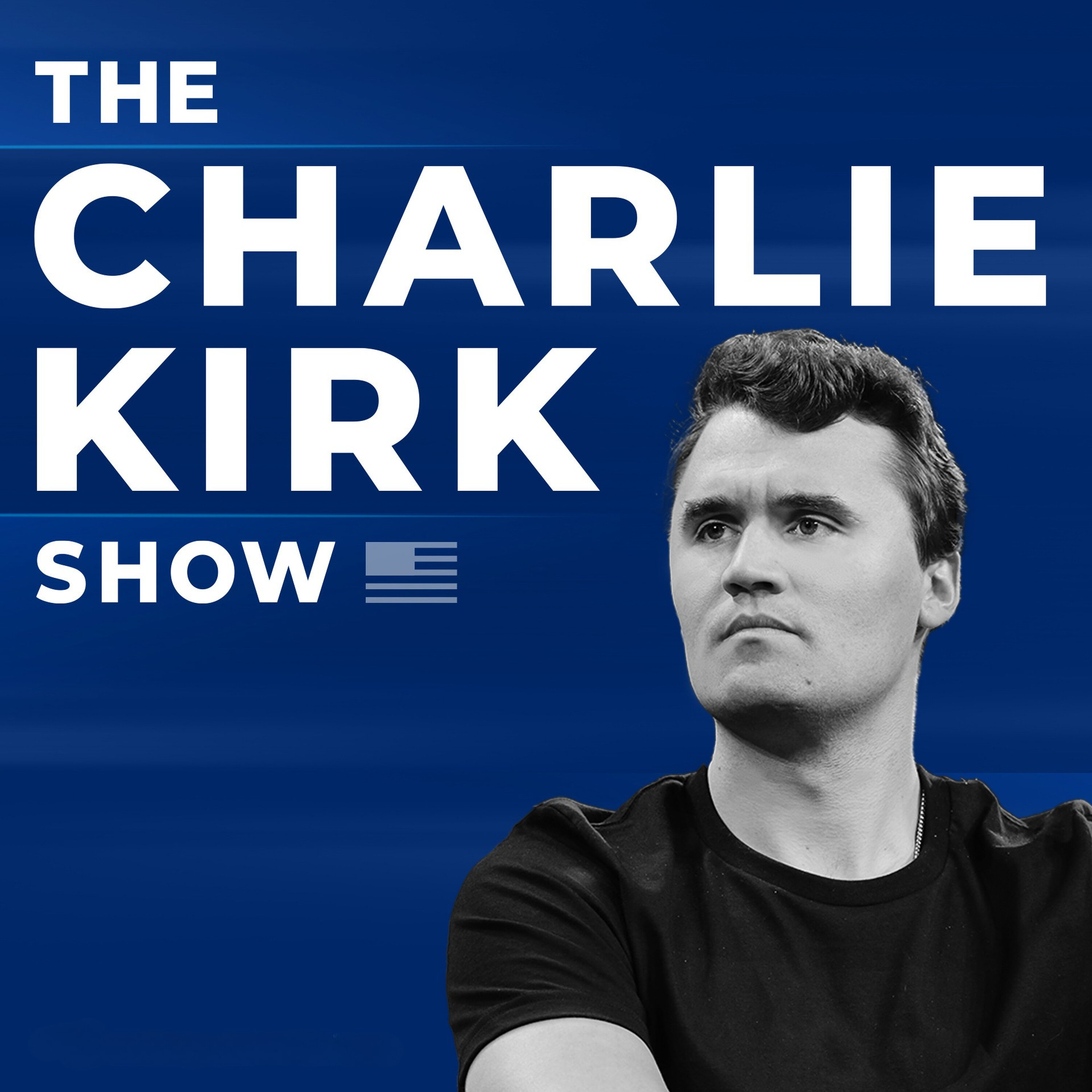
Overview of Freedom Built to Last Memorial Megastream
This memorial livestream marked one year since Charlie Kirk’s assassination at Utah Valley University, combining on-the-ground event coverage with tributes from Turning Point USA leaders, students, and close colleagues. The stream framed the day as both a remembrance of Charlie’s life and a defiant recommitment to the movement he built—centered on faith, free speech, youth activism, marriage and family, and the idea that “freedom is built to last” when it is rooted in truth and responsibility.
What the Stream Was About
- A pre-event memorial broadcast leading into the UVU tribute night
- Coverage of the crowd, security presence, counter-protesters, and the atmosphere on campus
- Reflections on Charlie Kirk’s legacy from Turning Point staff and students
- Extended speeches about:
- Christianity and repentance
- Political courage and free speech
- The role of young people in rebuilding America
- The importance of family, marriage, and having children
- A strong emphasis on turning grief into action rather than retreat
Main Themes and Takeaways
1. Charlie’s legacy is framed primarily as spiritual
Many speakers said Charlie should be remembered first for his faith, not his politics.
- His “real mission” was described as winning souls for Jesus Christ
- Speakers repeatedly tied his activism to his Christianity
- The memorial emphasized that Charlie’s influence has led people back to church, prayer, Bible reading, and faith
2. The event was presented as a reclaiming of territory
The UVU memorial was described as a deliberate act of returning to the place where Charlie was killed.
- Speakers said they refused to let violence define the campus forever
- Returning there was portrayed as an act of courage and spiritual resistance
- The crowd was described as overwhelmingly positive, prayerful, and supportive
3. Charlie’s impact on students and Turning Point USA was emphasized
Multiple chapters and student leaders appeared on the stream to describe how Charlie changed their campuses and lives.
- He was credited with giving young people a voice
- Students said he inspired them to speak boldly, think seriously, and stand up for their beliefs
- Leaders described major growth in chapter participation after his death
4. The memorial repeatedly linked freedom with responsibility
The speakers argued that liberty is not just about rights, but about duty.
- Freedom without discipline, family, faith, and truth was portrayed as hollow
- Charlie’s message was said to be that people should live a “deep life,” not an easy one
- Many speakers urged students to get married, have children, and build meaningful lives
5. There was strong condemnation of celebration of Charlie’s death
The stream spent significant time discussing people who mocked or celebrated the assassination.
- Commentators called such reactions evil, demonic, or dehumanizing
- Some argued employers and institutions should hold people accountable for celebrating violence
- The tone was firm and combative, especially when discussing online hate
Notable Speaker Highlights
Sage Lloyd, UVU chapter president
- Said the campus was full of good energy and support
- Described the chapter as choosing courage over fear
- Framed the event as proof that the chapter refused to leave or be silenced
Aubrey Hudson, BYU chapter president
- Said the memorial felt sacred and emotional
- Explained that Charlie gave students confidence to find their voices
- Noted that BYU’s Turning Point chapter had grown substantially
Rafe Beck, UVU events lead
- Called the memorial the biggest campus chapter event in Turning Point history
- Emphasized the urgency and energy among students
- Said young people need real leadership and accountability
Gabe Saint, University of Wyoming chapter president
- Shared that the Dallas event also honored Charlie strongly
- Said Erica Kirk was received with great affection and respect
- Emphasized that Charlie’s legacy is motivating students heading into the midterms
Mikey McCoy
One of the most emotional segments of the night came from Mikey McCoy.
- He described the pain of returning to UVU
- Said Charlie spent his life building something bigger than himself
- Repeated that Charlie’s strength came from Christ
- Framed the memorial as a call to continue the mission, not just mourn it
Glenn Beck
Glenn Beck delivered one of the longest and most forceful speeches.
- He argued that Charlie’s assassination changed American politics for the worse
- He said Charlie was targeted because he represented individual freedom and Christian conviction
- He emphasized:
- God’s providence
- The dangers of collectivism
- The importance of kindness, truth, and one-on-one conversation
- He warned young men and women against shallow cultural models and urged them toward responsibility, marriage, children, and purpose
Frank Turek
Frank Turek focused heavily on Christian apologetics and Charlie’s faith.
- He stressed that Charlie believed Christianity was true
- He described the resurrection as the foundation of Charlie’s confidence
- He said Charlie’s death did not end him; it only changed his address
- He tied Charlie’s legacy to evangelism, courage, and the reality of eternal life
Andrew Seifer
Andrew Seifer gave a deeply personal account as someone who was near Charlie when he was assassinated.
- Said Charlie was first and foremost a disciple of Christ
- Recounted that Charlie approached UVU with kindness, not hostility
- Emphasized that his last moments were about dialogue, faith, and courage
- Declared that the assassination did not end the work or the movement
Key Messages From the Memorial Speeches
Faith over politics
A repeated refrain was that Charlie’s political success mattered, but his faith mattered more.
Courage over fear
Speakers urged students not to retreat from public life or shrink from hard conversations.
Family and legacy
Charlie’s wife, Erica, and his children were referenced often as the most personal part of his legacy.
The power of one life
Many speakers argued that one person living faithfully can change thousands of lives.
Truth must be spoken, not hidden
Several speakers framed Charlie’s model as speaking directly, lovingly, and publicly—even in hostile environments.
Action Items and Calls to Continue Charlie’s Work
The stream included repeated calls for viewers to:
- Join or start a Turning Point USA chapter
- Get involved with local churches
- Read the Bible and pray
- Be active in politics and civic life
- Get married and build strong families
- Raise children with purpose
- Speak truth boldly, without hatred or fear
- Honor Charlie by continuing the work rather than merely commemorating him
Overall Tone
The tone of the livestream was:
- Mourning, but not despairing
- Emotional and reverent
- Often combative toward critics and celebratory antagonists
- Deeply Christian in its framing of suffering, martyrdom, and hope
- Determined to present Charlie Kirk’s death as a catalyst for revival rather than defeat
Bottom Line
This memorial stream portrayed Charlie Kirk as a generation-defining activist whose most important legacy was spiritual. The speakers argued that his death awakened new faith, new activism, and new courage across campuses and communities. The central message was clear: Charlie’s work did not end with his death—it was handed to the next generation.