Overview of DSA's Destruction Plan + The 2028 Horserace Explained
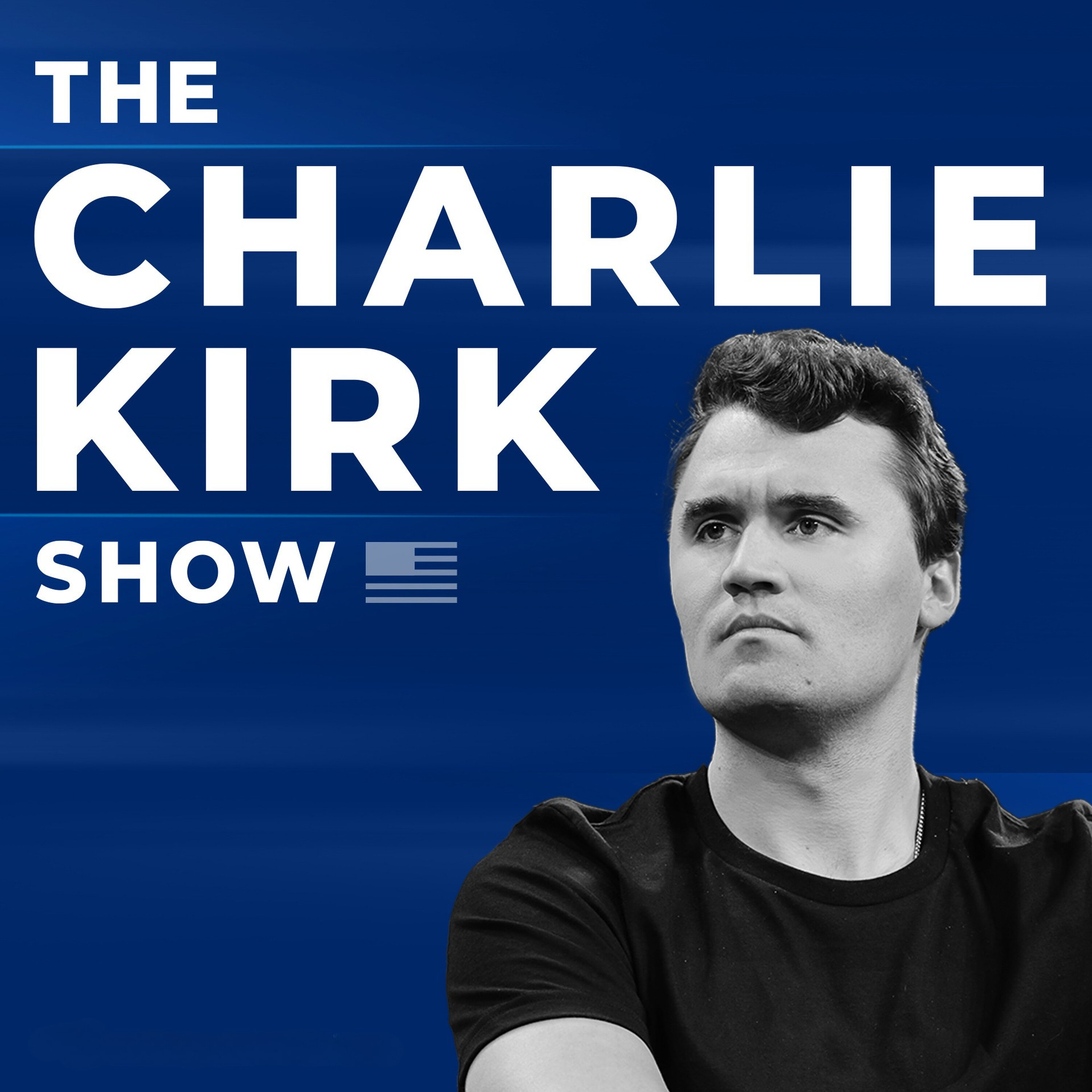
In this episode of the Charlie Kirk Show, Charlie Kirk argues that the rise of democratic socialism inside the Democratic Party represents a serious threat to American institutions, citing recent DSA comments and social-media-visible primary trends. The show also digs into the early shape of the 2028 presidential race, including how the Democratic primary calendar may affect candidates like AOC and Kamala Harris, while also framing J.D. Vance as a key figure in the emerging Republican proxy battle. Later segments cover Jay Feely’s Arizona congressional run, newly released Fauci diary entries, and polling from Rich Barris about Republican enthusiasm, the Iran conflict, and voter disengagement ahead of the midterms.
The Main Argument: DSA and Democratic Socialism
Charlie Kirk’s central message is that democratic socialism is no longer fringe—it is becoming mainstream within the Democratic Party.
What Kirk says DSA wants
He highlights comments from DSA leaders and claims the platform includes:
- Abolishing the Senate
- Replacing or eliminating the presidency and Supreme Court as currently structured
- Abolishing ICE and borders
- Defunding the Pentagon
- Abolishing prisons in large part
- Expanding government/public ownership of major corporations
Kirk presents this as a destructive, anti-institutional ideology rather than ordinary left-wing reform.
Marco Rubio clip and the anti-socialism message
A major portion of the segment is built around a clip from Secretary of State Marco Rubio, who describes radical leftism as:
- Rooted in resentment
- Driven by a hatred for civilization and achievement
- Cloaked in the language of equality and justice, while really aiming to tear down what others built
Kirk uses this to argue that socialism levels society downward and ultimately reduces freedom.
The Mamdani example
Kirk points to New York City socialist Mayor Zohran Mamdani as an example of “free stuff populism,” citing:
- Government-run grocery stores
- Lower prices subsidized by government
- Higher taxes on certain property owners
He argues this model will drive away productive people and shrink the tax base.
2028 Democratic Primary: Early Horse-Race Analysis
Mark Halperin joins to break down the Democratic primary calendar and what it may signal.
Why South Carolina matters
Halperin explains that the Democratic Party moved away from Iowa/New Hampshire going first because those states are too white and not representative enough. Instead:
- South Carolina is intended to elevate Black voters early
- The calendar is designed to make the nominating process more representative
- A state that can count votes quickly and has lower media costs is also attractive
Who benefits?
Halperin says:
- Kamala Harris may be helped by South Carolina because of her strength with Black voters
- It is not clearly a boost for AOC, despite her strong early polling in New Hampshire
- The decision was likely not made to crown a specific candidate, but it inevitably affects the field
The New Hampshire poll
Kirk emphasizes that AOC is showing early strength in New Hampshire and suggests that the socialist wing is gaining national traction. Halperin’s view is that different states will reward different coalitions, and the contest could get messy fast.
J.D. Vance and the Republican Proxy Battle
A second major topic is the emerging 2028 fight over the future of the Republican Party.
Halperin’s view
Halperin says opposition to J.D. Vance comes from multiple places:
- Some dislike his foreign-policy positions
- Some dislike him personally
- Some want to push the GOP back toward a pre-Trump, establishment style
He argues Vance is becoming a stand-in for the broader fight over whether MAGA continues to define the party after Trump.
Kirk’s framing
Kirk argues Vance’s positions are popular with many conservatives and populists, especially on:
- Israel/foreign policy
- Economic nationalism
- Common-good economics
- Criticism of elite orthodoxy
He says online backlash can exaggerate how controversial Vance really is in the broader electorate.
What to watch
Halperin says the real positioning for 2028 will become clearer after the 2026 midterms, likely in the November-to-March window after that.
Jay Feely on Winning His Arizona Primary
Former NFL kicker and newly nominated Republican candidate Jay Feely joins to discuss his primary win in Arizona’s 1st Congressional District.
Feely’s message
Feely says:
- He and his wife prayed through the campaign daily
- He felt peace going into election night
- He wants the general election to be a clear ideological contrast
His view of the race
Feely argues the Democratic Party has embraced socialism and radical policy goals, while his side stands for:
- Individual liberty
- Free enterprise
- Family and faith
- Common-sense economic opportunity
He says the district is competitive but leans center-right, with more registered Republicans than Democrats and a large independent bloc.
Action items he wants
Feely specifically calls for:
- Greater Christian engagement in politics
- Town halls and church-based discussions
- Mobilizing people who usually sit out elections
- Turning voter turnout into a faith-and-values issue
Kirk strongly backs Feely and frames the race as potentially pivotal for the balance of Congress.
Fauci Diaries and COVID Origins
Kirk then pivots to newly released diary material from Dr. Anthony Fauci, referencing Sen. Rand Paul’s oversight release.
Main claims from the diary excerpts
Kirk says the diaries suggest:
- Fauci was highly preoccupied with his own public fame
- He privately acknowledged influencing school and business closures
- His notes conflict with his public denials about involvement in lockdown decisions
- The early scientific debate around COVID origins was not as evenly split as portrayed publicly
Lab leak vs. wet market
According to Kirk’s reading of the diary material:
- Fauci’s private notes suggest the wet market was no longer viewed as the source early on
- Most scientists on one key call reportedly leaned toward lab involvement or direct insertion
- Kirk says this undercuts the public narrative that the issue was a close 50/50 scientific debate
He frames Fauci as having been dishonest with the public and says the diaries are a major breakthrough in understanding COVID policy and origins.
Rich Barris on GOP Turnout, Millennials, and Iran
Polling analyst Rich Barris closes the show with a warning about Republican turnout and the risks of alienating core voters.
The turnout warning
Barris says:
- Roughly one in five reliable GOP base voters may stay home in November
- This is not just “being disaffected”; it could be a major turnout problem
- The party risks losing key support if it continues pursuing unpopular foreign-policy choices
The Iran conflict
He argues most voters do not want to pay higher gas prices for a prolonged conflict with Iran and say:
- Peace negotiations are broadly popular
- The administration should prioritize a deal rather than escalation
- Continuing conflict could damage Trump’s coalition
Millennials and the GOP
Barris says millennials are the largest voting-age generation and are crucial to Republican success. He argues that:
- Trump uniquely connected with them
- Chasing them away was a major strategic error
- The GOP cannot rely on older voters forever
Policy recommendations from Barris
He urges Republicans to:
- Drop the war posture
- Address affordability directly
- Pass the SAVE Act
- Push structural changes like ending the filibuster
- Use the remaining time before the midterms to deliver on promises
Key Takeaways
- Kirk argues democratic socialism is becoming mainstream in the Democratic Party and would lead to institutional destruction.
- The Democratic primary calendar may advantage some candidates and reflects identity and representation concerns.
- J.D. Vance is emerging as a major figure in the post-Trump GOP succession fight.
- Jay Feely presents his Arizona race as a battle over faith, liberty, and socialism versus conservatism.
- The Fauci diary release is framed as evidence of contradiction between public statements and private notes.
- Rich Barris warns that GOP turnout, especially among younger voters, could be in trouble if the party keeps backing unpopular foreign policy.
Notable Themes
Reform vs. revolution
The episode repeatedly contrasts two political paths:
- Reform: preserving and improving American institutions
- Revolution: tearing down the existing system in pursuit of ideological transformation
Freedom vs. security
Kirk and Rubio argue socialism trades away personal freedom in exchange for promises of security and benefits that may never fully materialize.
Populism and affordability
Both the Democratic socialist message and the Republican turnout problem are tied to the same underlying issue: rising costs, economic anxiety, and voter frustration with the status quo.