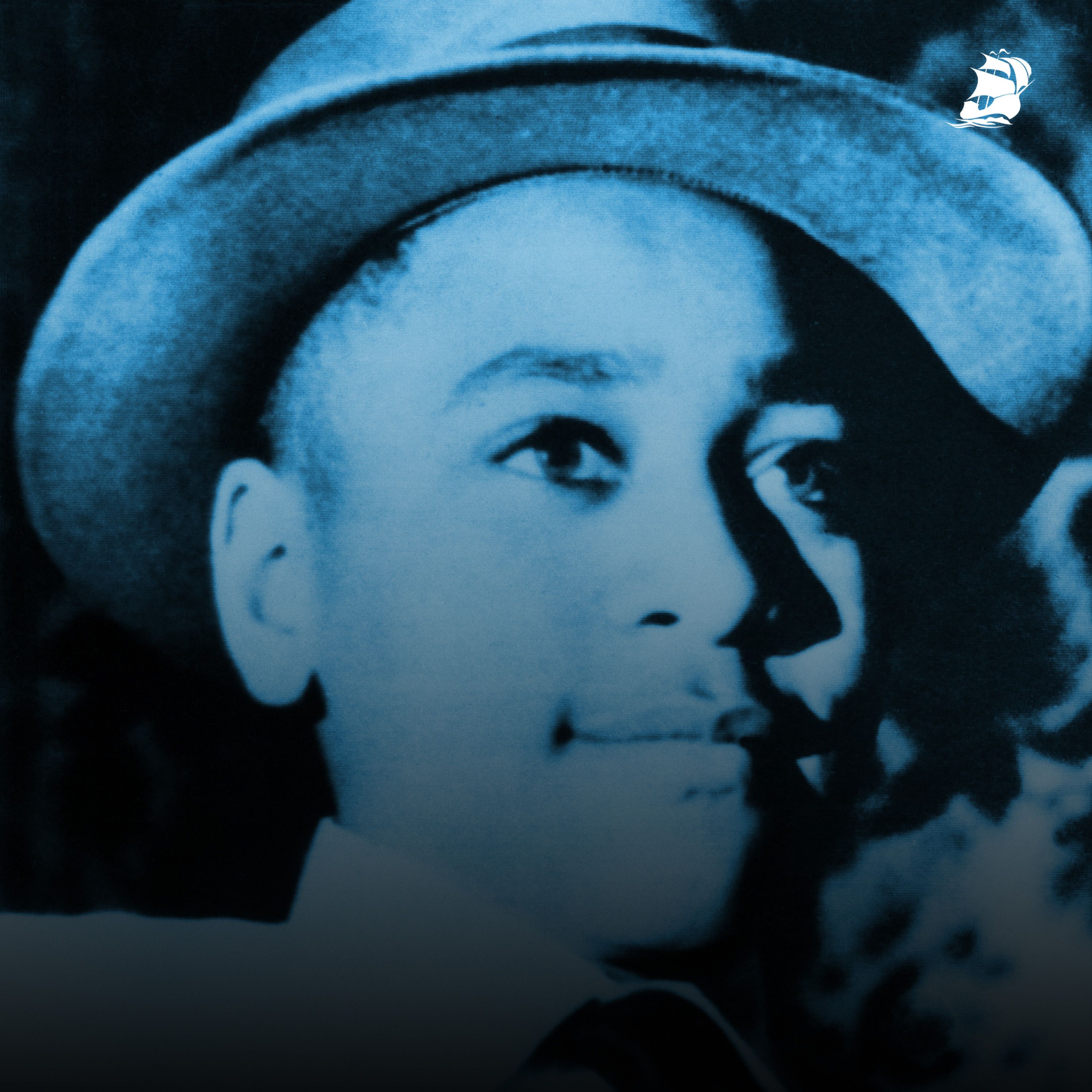
Overview of Wright Thompson: The Ghosts of Mississippi
This episode of The Bulwark’s podcast (host Tim Miller) features a long-form conversation with Wright Thompson, senior writer at ESPN and author of The Barn: A Secret History of a Murder in Mississippi. The interview weaves Thompson’s personal background (growing up in the Mississippi Delta), the history and legacy of Emmett Till’s murder, the broader economic and cultural forces that shaped the Delta, and how silence and historical erasure persist today. The episode opens with Tim’s topical news potpourri (Trump, immigration enforcement in Minnesota, tariffs, and more) before moving into the extended interview.
Key topics covered
- Tim Miller’s short news roundup and commentary:
- Maria Corina Machado presenting Donald Trump with her Nobel medal (performative, likely ineffective).
- Internal Trump polling and political optics around aggressive immigration enforcement and the protests in Minnesota.
- DHS spokesperson Tricia McLaughlin’s defensive media appearances (notably a claim that protesters poured water to create ice hazards).
- Tariffs’ impact on farmers and Mardi Gras economies.
- Loss of Bob Weir (Grateful Dead) and reflections on the band’s legacy.
- Wright Thompson interview:
- Thompson’s personal background: Clarksdale, Mississippi; family farming; father’s political fundraising.
- The Barn and its conceit: telling U.S. history through a 36-square-mile plot where Emmett Till was murdered.
- Detailed history of the Emmett Till murder (1955), the subsequent erasure of evidence, and legacy in the Delta.
- The 1962 Ole Miss showdown (James Meredith’s enrollment), Governor Ross Barnett, and how politics, sports, and racial violence intersected.
- How land policy, economics (cotton as “oil”), and indebtedness shaped regional decline and culture.
- The social dynamics of silence, shame, and nostalgia that prevent communities from confronting painful histories.
- Contemporary parallels: political violence, rewriting history (textbooks, museums), and the dangers of glorifying “heritage” without context.
- Personal anecdotes: Thompson’s mother’s public activism on social media, the story of a preacher and a deathbed confession, Willie Reed/Wheeler Parker and living witnesses.
- Practical consequences of tariffs and trade policy on farmers and Mardi Gras “throws.”
- Light-hearted segues: SEC college-town rankings, love for Panic/Grateful Dead, Bob Weir reflections.
Main takeaways
- The Barn uses a tight geographic lens to tell a larger American story: decisions made centuries ago (land ordinances, debt defaults, commodity dependence) continue to shape present-day social and economic realities in Mississippi.
- Emmett Till’s murder was not an isolated, ancient incident; the crime and subsequent erasure were embedded in local institutions, press management, and political power—many participants and witnesses are not far removed in time.
- Silence and historical sanitization are active processes: removal of documents, doctored local textbooks, and cultural nostalgia function to obscure culpability and inhibit accountability.
- Teaching and confronting this history is crucial—opposition to teaching Black history or difficult aspects of U.S. history is often rooted in insecurity, nostalgia, and politics rather than scholarly debate.
- Contemporary political rhetoric and state action (e.g., immigration enforcement scenes, rewriting museum plaques) echo earlier patterns where political incentives and spectacle drive outcomes and violence.
- Economic policy (tariffs, trade shifts) has immediate, tangible harms for rural economies and cultural practices (farmers, Mardi Gras suppliers), illustrating how high-level trade choices translate to local pain.
Notable quotes and insights
- On why his father supported liberal Democrats in the Deep South: “I just hate bullies.”
- On the nature of racial violence and euphemism: “It’s called a riot in the way that all racial violence in the South is now referred to as a riot. It’s just a code for strong people were killing defenseless people and we need a new word for it.”
- On the Delta’s economic history: “Cotton was oil until 1933… Mississippi was Saudi Arabia.”
- On silence and complicity: Thompson cites his mother’s credo about speaking up—“I was silent the last time this happened. If it ever happened again I was not going to be silent because silence is complicity.”
- On historical erasure in education: He reads a current high-school textbook’s single-paragraph take on Emmett Till that downplays and sanitizes the murder and frames segregationists as “moderating,” illustrating active distortions in official narratives.
Episode highlights / flow (concise)
- Intro ad reads and sponsorships (Rocket Money, IQ Bar, 3-Day Blinds).
- Host news potpourri: Machado/Trump, Trump polling and immigration optics, protests in Minnesota, Tricia McLaughlin clip, tariffs and local impacts.
- Transition to guest Wright Thompson; short biography and pitch for The Barn.
- Deep dive into Emmett Till case, the barn, local witnesses (Willie Reed/Wheeler Parker), and investigative findings.
- Broader historical context: land ordinances, 1837 debt crisis, decline of Mississippi’s economic power, Ole Miss conflict in 1962.
- Discussion of present-day issues: textbook sanitization, critical race theory debates, and political violence parallels (including January 6 reflections).
- Lighter topics: Thompson’s mom on Facebook, SEC college town rankings, Bob Weir memories.
- Close with book plug (The Barn) and production credits.
Actionable items / recommendations
- Read Wright Thompson’s The Barn for a deep, place-based history of Emmett Till’s murder and Mississippi’s structural story.
- When evaluating local history or school curricula, check for omissions or sanitizing language—advocate for fuller, evidence-based teaching of events like Emmett Till.
- Consider local cultural and economic effects when discussing trade policy; farmers and small cultural economies (e.g., Mardi Gras throws) can be immediate victims of tariff shifts.
- Listen to Wright Thompson’s earlier series and reporting (“Ghosts of Mississippi”) for more primary-source context and profiles.
Further reading / listening
- The Barn: A Secret History of a Murder in Mississippi — Wright Thompson (book)
- Wright Thompson’s “Ghosts of Mississippi” series (select long-form articles)
- Primary archived sources on Emmett Till (Look magazine confessions, FBI transcripts—note Thompson’s reporting on the erasures)
- Coverage and analysis of Ole Miss 1962 and James Meredith’s enrollment
Producer note: the episode mixes timely political commentary with long-form historical reporting; listeners interested in the book’s themes should prioritize Thompson’s The Barn for the full depth and source material.