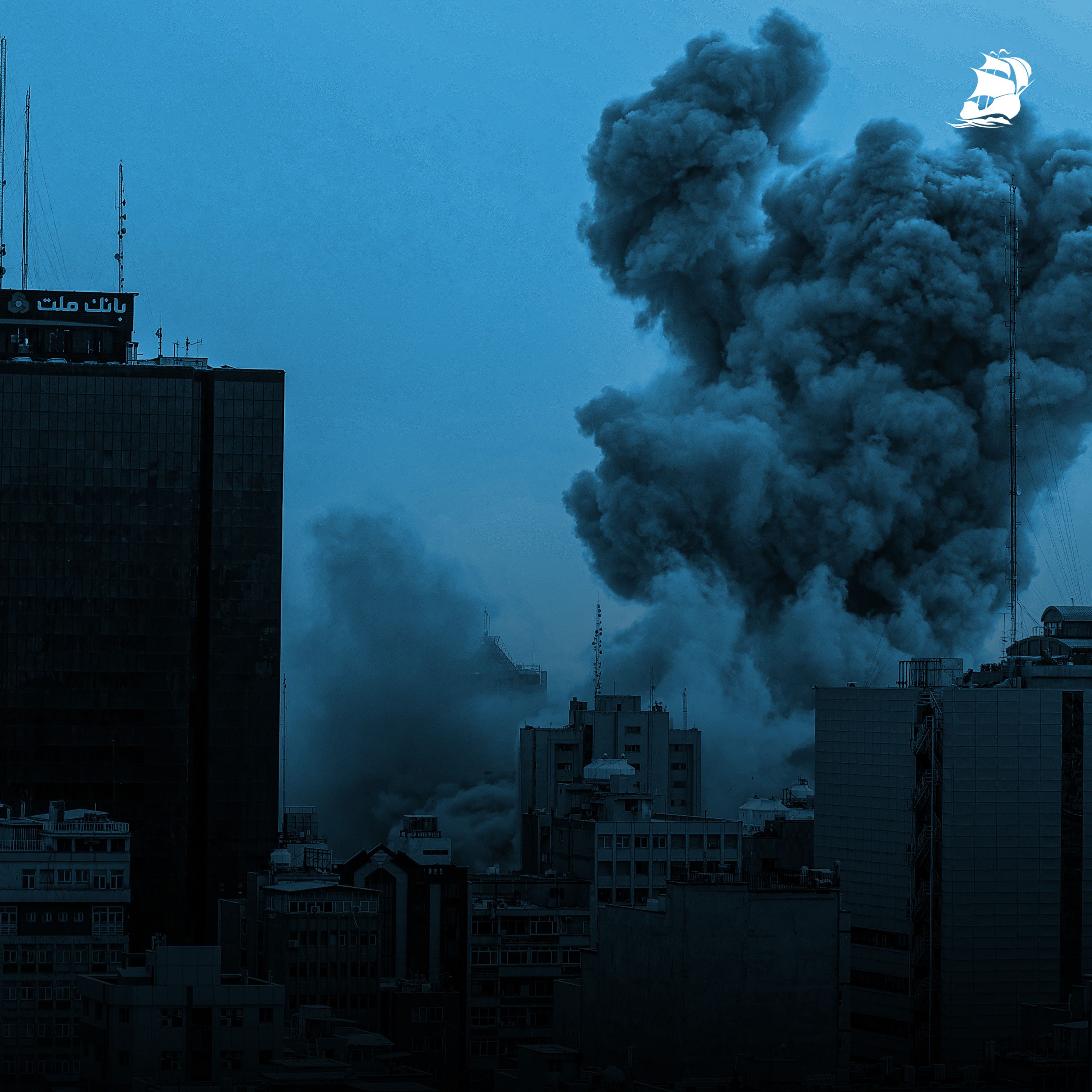
Overview of Tom Nichols: Sinking Into the Mire of a Longer War?
Tim Miller interviews Tom Nichols (Atlantic staff writer, professor emeritus at the U.S. Naval War College) about the unfolding U.S.–Iran conflict, its operational and strategic consequences, and the political and managerial failures inside the Trump administration. The conversation covers recent headlines (a KC-135 tanker crash in Iraq with six U.S. dead, rising oil prices, munitions depletion, and claims from the White House that Iran is “about to surrender”), critiques of administration messaging and competence, the wider geopolitical fallout (Russia, Gulf states, Israel), and domestic security consequences (terror incidents and anti‑Semitic violence).
Key points and main takeaways
- “Surrender” is a meaningless political soundbite: Nichols calls out Trump’s claim that Iran is “about to surrender” as incoherent (no clear counterpart to accept a surrender, no defined objectives).
- Strategic aims and messaging are inconsistent: the administration has shifted from grand goals (regime change, crippling nuclear program) toward narrower, less defensible objectives (degrading Iran’s military/missiles/navy) and is trying to retroactively reframe the campaign as a single-objective success.
- Operational cost is high and poorly justified: U.S. personnel casualties (including the KC-135 crash), reported depletion of Tomahawk missiles and other munitions, and movement of additional forces (Marine Expeditionary Unit) suggest escalation—not a quick, contained action.
- Second- and third-order effects are damaging: higher oil prices benefit Russia and hurt U.S. consumers; Gulf partners are uneasy; the U.S. appears to have not thought through allied coordination or broader diplomatic consequences.
- Domestic security has deteriorated: Nichols links the campaign to a spike in lone‑wolf and hate incidents (attacks on Jewish institutions, an ROTC classroom shooting) and criticizes dismantling of Iran-counterterror capabilities and other preparedness gaps.
- Leadership and governance failures: Nichols argues the decision‑making process is dysfunctional—poor planning, weak National Security Council processes, and advisers unwilling or unable to blunt the president’s worst instincts. He also raises concerns about Trump’s cognitive state affecting judgment.
- Media/PR over substance: Senior officials (example: Pete Hegseth) are accused of prioritizing media narratives and optics (e.g., criticizing TV “chyrons”) instead of providing substantive briefings and strategic clarity.
Topics discussed
- Incident and casualties
- KC-135 refueling plane crash in Iraq; six U.S. crew confirmed dead; total U.S. casualties rising
- Potential causes (midair collision during refueling operations) and safety questions
- Weapons and logistics
- FT reporting that the U.S. has burned through years of munitions (Tomahawks, etc.), with long-term impacts on Navy and readiness
- Economic effects
- Oil hovering near $100/barrel; administration claims it’s “good” because U.S. is a major producer criticized as tone-deaf
- Geopolitics
- Russia benefiting financially and strategically; U.S. easing toward Russia diplomatically for oil reasons
- Gulf states’ reaction: concern that Israel and U.S. actions destabilize the region; possible erosion of the Abraham Accords gains
- Domestic security and social consequences
- Increase in antisemitic incidents, lone-wolf attacks with ties to the conflict narrative
- DHS shutdown and its timing amid heightened threats; TSA/pay issues and airport disruptions
- Internal politics and personalities
- Trump’s “victory disease,” hubris, and possible cognitive decline
- Role of advisers (Marco Rubio’s usefulness to Trump; JD Vance’s discreet dissent to Politico)
- Pete Hegseth’s press conference and messaging style
Notable quotes and moments
- On “surrender” rhetoric: Nichols—“Surrender to whom? Surrenders require handing over power to somebody.”
- On administration messaging: Hegseth’s suggested headline: “Iran increasingly desperate” (criticized by Nichols as wishful/unsupported framing).
- On leadership: Nichols repeatedly condemns the lack of sober, adult briefings—“I’m missing guys in gray suits saying, ‘Good morning. Here’s the situation.’”
- On consequences: “This team didn’t think through... first- and second-order effects,” with Russia being a primary beneficiary of the turmoil.
Consequences and risks highlighted
- Military: increased U.S. casualties and accident risk in complex operations (air refueling, strikes); depleted munitions and longer-term readiness gaps.
- Economic: sustained higher fuel prices, inflationary pressures across goods tied to petroleum, and benefit to Russian revenues.
- Diplomatic: alienation or alarm among Gulf partners; weaker allied coordination; risk of losing leverage with Ukraine and NATO concerns.
- Homeland: elevated violent incidents, antisemitic attacks, and risks from radicalized lone actors; strained domestic security infrastructure during DHS funding issues.
- Political: potential erosion of domestic support beyond the president’s base; reputational costs for U.S. competence.
Implied recommendations / what Nichols thinks should be done
- Define and communicate clear, achievable objectives tied to a coherent strategy—not slogans.
- Rebuild interagency and diplomatic groundwork: consult Gulf partners, allies, and NATO; anticipate knock-on effects.
- Restore and preserve counterterror and intelligence capabilities targeting Iran-related threats (undo the dismantling of key teams).
- Replenish munitions and logistical readiness; account honestly for the costs of operations.
- Provide sober, routine public briefings and transparent risk assessments to the American people.
- Reassert expert-driven decision processes (war colleges, NSC-style planning) rather than personality-driven improvisation.
Context and sources referenced
- Newspaper/briefing references cited in the discussion: Financial Times (munitions depletion), Axios (Trump call re: surrender), Politico (JD Vance background comments), and public remarks from Pentagon officials (Pete Hegseth).
- Broader references: historical comparisons to the Gulf Wars, the “victory disease” concept, and domestic examples of policy fallout (DHS shutdown, TSA workforce issues).
—
This episode is a critical, wide-ranging assessment arguing that the current U.S. approach to the Iran confrontation risks dragging the country into a longer, costlier conflict driven more by political theatre and hubris than clear strategy and prudence.