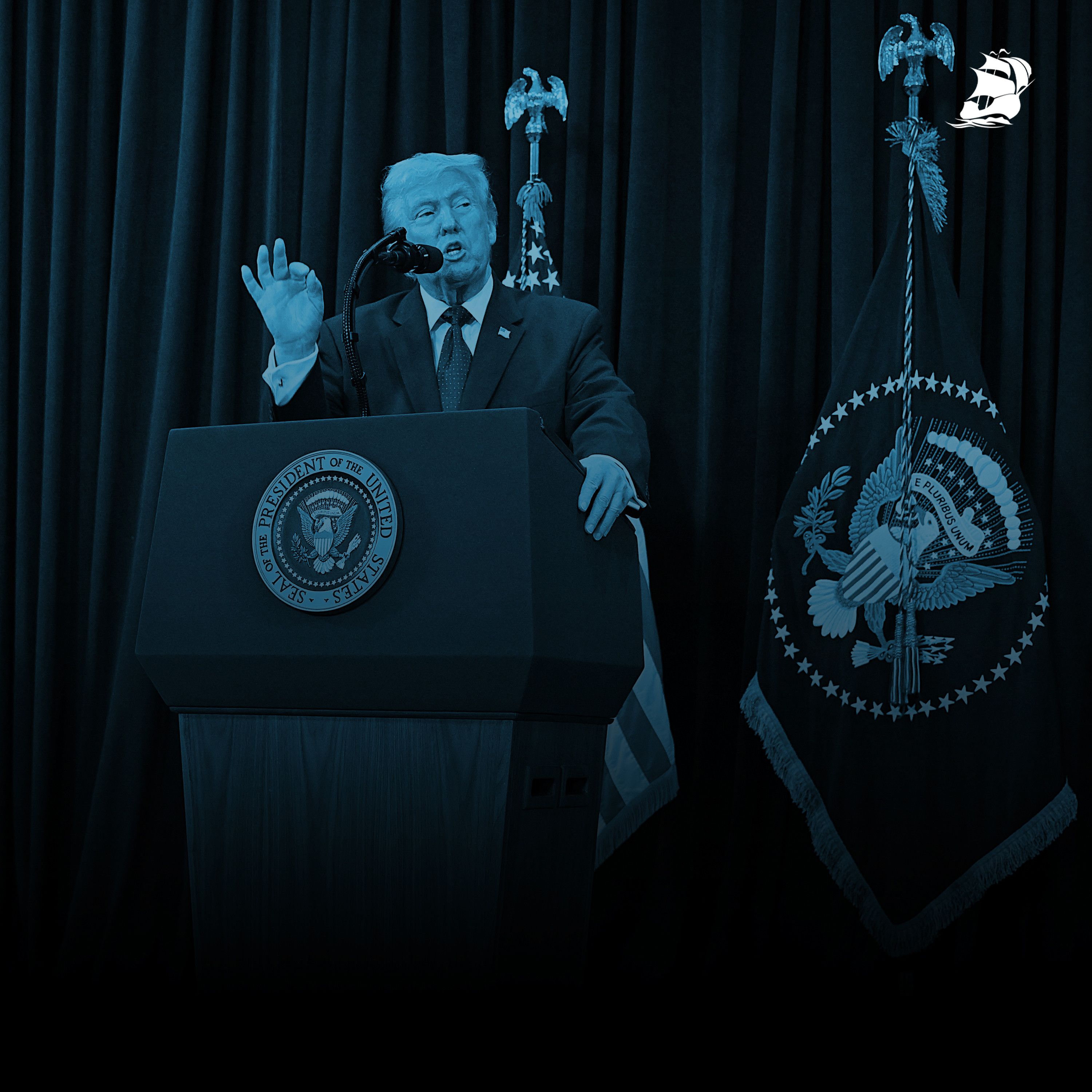
Overview of "Ro Khanna: Trump Is in Denial" (The Bulwark / Bullard Podcast)
This episode features Representative Ro Khanna (D–CA) in conversation with host Tim Miller. The discussion centers on two major themes: Khanna’s bipartisan work (with Rep. Thomas Massie) to force release of the Jeffrey Epstein files and make related investigations public, and Khanna’s opposition to the current U.S. military actions against Iran. The conversation also touches on coalition-building across the political spectrum, accountability for elites, handling accusations and conspiracies, anti-Semitism versus criticism of Israel, election/endorsement strategy, and policy proposals for AI-era economic disruption.
Key topics discussed
-
Epstein files and oversight
- How Khanna and Rep. Thomas Massie built a bipartisan coalition to force release of redacted Epstein-related records via a rare discharge petition and legislation.
- Frustration at the lack of investigations and prosecutions of alleged co-conspirators (mentions Les Wexner, Leon Black, and other figures).
- Plans to subpoena and depose actors involved (Pam Bondi) and demands for DOJ transparency on redactions and why specific witness interviews were hidden.
- Distinction Khanna makes between legitimate investigation and avoiding a witch-hunt; acknowledgement of instances where names in the files were mistakenly treated as accusations (lineup/context problem).
-
U.S. actions against Iran and war powers
- Khanna opposes current military escalation and supplemental funding for operations in/around Iran.
- Argues the cost (he cites roughly $2 billion per day and 13 U.S. service members killed) and economic consequences (higher gas prices, strain on domestic priorities) outweigh unclear strategic benefits.
- Criticizes tearing up the JCPOA (2018) for enabling Iran’s higher enrichment (cites ~60% enrichment) and argues diplomacy, not continual strikes, is the realistic route short of ground troops.
- Calls for Democrats to refuse funding for an Iran supplemental and to make restraint a central part of messaging.
-
Coalition politics and media outreach
- Khanna defends engaging with audiences across ideological lines (even imperfect hosts) to build coalitions, citing historical precedent (FDR working with problematic figures historically).
- Examples of peeling off MAGA-aligned Republicans on Epstein transparency (e.g., Marjorie Taylor Greene initially), and how broad coalitions can form around specific issues.
-
Anti-Semitism vs. criticism of Israel
- Khanna stresses the need to call out anti-Semitism clearly while preserving space for legitimate criticism of Israeli government actions.
- Pushback at what he sees as conflating criticism of policies/neoconservative doctrine with anti-Semitic attacks; says purity tests and smears are counterproductive.
-
Elections, endorsements, and party direction
- Mixed results in recent primaries (some progressive wins, some losses). Khanna argues the Democratic coalition is broad and that the party should offer an inspiring economic vision rather than play safe.
- He’s publicly endorsed candidates (e.g., Tom Steyer for CA governor) based on values rather than purely electability calculations.
-
AI and economic policy proposals
- Khanna frames himself as an “AI democratist”: neither an accelerationist nor doomer.
- Policy ideas to deal with AI-driven disruption:
- A “Work for America” program hiring young people for community, infrastructure, government moonshots, and renewable projects.
- Tax incentives to encourage firms to hire people rather than replace jobs with AI.
- Promote worker ownership / profit-sharing to spread gains of automation and AI beyond capital owners.
Main takeaways
- Bipartisan oversight can succeed even against long odds: Khanna and Massie engineered a rare, effective coalition to force release of records and pressure for accountability on Epstein-related matters.
- There remains deep frustration with the pace and depth of investigations into Epstein’s network—Khanna is pushing for more subpoenas, depositions, and (potentially) a presidential commission for fuller fact-finding.
- Khanna strongly opposes further escalation with Iran, arguing cost, casualty, and economic impacts outweigh benefits; he calls on Democrats to withhold supplemental funding and to make restraint a clear platform position.
- Coalition-building across political lines (including engagement with nontraditional media) is, for Khanna, a necessary strategy to reach disaffected voters and advance policy goals—even at the risk of criticism.
- For AI, Khanna proposes a proactive, jobs-and-ownership-centered agenda to blunt displacement and democratize technological gains.
Notable quotes / succinct lines
- On Epstein work: “What started out with just four or five Republicans now has even Comer voting to subpoena Pam Bondi.”
- On Trump/Iran policy: “The president is just in denial. I mean, there's no coherence to the policy.”
- On party strategy: “What people want is being inspired. What they want is who understands the future. Who's going to actually solve our problems?”
- On AI: “I'm not an AI accelerationist, I'm not an AI doomer. I'm an AI democratist.”
Questions Khanna says need answering / actions he recommends
-
Oversight actions he wants:
- Subpoena/depone participants (e.g., Pam Bondi) to explain redactions and evidence handling.
- DOJ to open investigations into named associates (Wexner, Leon Black, others) where credible allegations exist.
- Consider a presidential commission to examine classified or intelligence-related questions around Epstein’s activities and possible foreign intelligence ties.
-
Policy prescriptions (short list):
- Refuse funding for an Iran supplemental and insist on Congressional war-authorization debate.
- Launch a national jobs program (“Work for America”) to absorb young people displaced by AI and technological change.
- Reform tax incentives to favor hiring people over automation and expand worker ownership/profit-sharing models.
Episode structure / quick timeline
- Intro, sponsor reads
- Epstein files: origins of Khanna–Massie effort, discharge petition strategy, bipartisan peeling-off, Bondi and DOJ questions
- Iran conflict: costs, deaths, policy critique, JCPOA context, call to withhold funding
- Coalition and media strategy: working across the aisle and across platforms
- Anti-Semitism & Israel: nuance between hate and legitimate critique
- Endorsements, party direction, and the 2026/2028 outlook
- AI policy proposals and closing remarks
- Outro, credits, sponsor reads
Who should listen and why
- Listeners interested in congressional oversight, accountability, and bipartisan tactics.
- Those concerned about U.S. foreign policy in the Middle East and want an anti-war/constrained-use-of-force perspective from a Democratic congressman.
- Voters and tech-policy watchers seeking an actionable, worker-centered take on AI disruption and economic policy proposals.
If you want, I can produce a 1–2 minute bullet-point “cheat sheet” for sharing on social media summarizing Khanna’s 3 policy prescriptions on AI and his top demands for Epstein oversight.