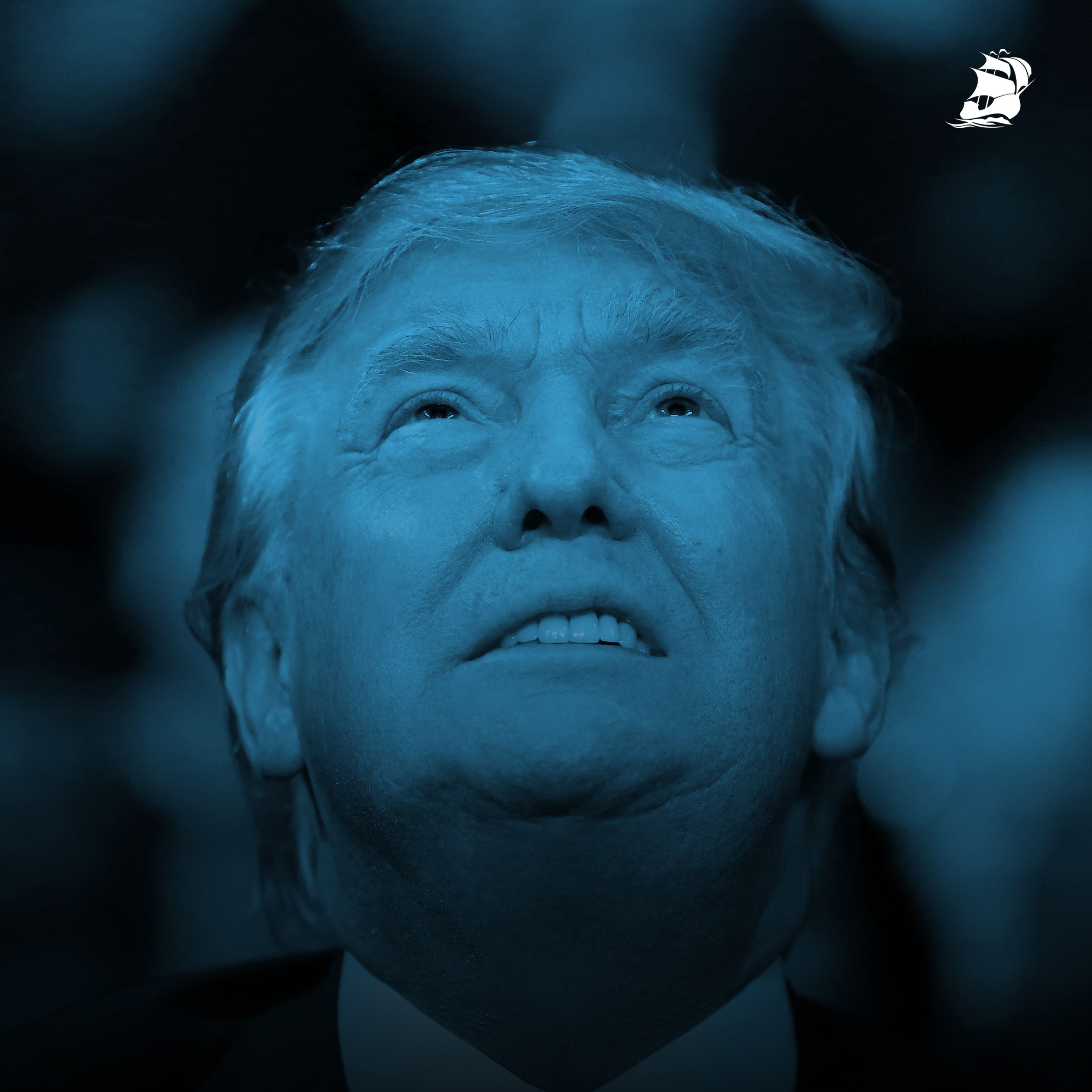
Overview of Michael Steele: The King of Debt Is Blowing Up the U.S. Economy (The Bulwark)
This episode of The Bulwark’s podcast features a wide-ranging interview with Michael Steele — former RNC chair and lieutenant governor of Maryland, now co‑host of MSNBC’s The Weeknight — conducted by Tim Miller. Steele delivers a sharp critique of the current Republican leadership and the Trump administration’s economic, foreign‑policy, and cultural priorities. The conversation ties immediate political behavior to looming economic pain (inflation, supply chains, higher interest rates), escalation in the Middle East, and long‑term institutional erosion. Steele mixes political analysis, moral argument, and practical warnings for businesses and voters.
Key topics discussed
- Critique of Donald Trump and current Republican leadership
- Steele characterizes Trump as narcissistic, transactional, and destructive to political institutions and norms.
- He blames Republican elites and 78 million voters for enabling the current administration.
- Domestic economic outlook and affordability
- Concerns about a large, lagging economic shock driven by tariffs, tightened labor markets, high interest rates, and disruptions to global supply chains.
- Treasury yields and national debt referenced as warning signs; small‑business owners (e.g., restaurants) are already experiencing margin pressure.
- Congressional politics and priorities
- Skepticism about the proposed reconciliation agenda: funding for foreign war, ICE/CBP, the “Save America Act” (trans sports, voting rules) instead of affordability relief.
- Discussion of DHS funding standoffs and how short‑term maneuvers have played out.
- Iran / Middle East conflict and U.S. involvement
- Steele worries about being “led” into a broader conflict with unclear objectives and exit strategy, and the mismatch between U.S. regional aims and Israel’s more immediate security goals.
- Economic consequences of disrupting the Strait of Hormuz and potential escalation benefiting adversaries (Russia, China).
- Racial and institutional concerns
- Reaction to reporting that military promotion decisions were influenced by whether Trump would want to stand next to a Black female officer.
- Steele highlights this as emblematic of racial politics and institutional subordination to presidential ego.
- Electoral and political indicators
- Noted trend: dozens of recent state legislative flips toward Democrats; Florida political dynamics (Byron Donalds vs. David Jolly) as a potential warning sign for Republicans.
- Cultural/political theater (CPAC, Franklin Graham, “third term” rhetoric)
- Steele argues voters should both mock and fear the movement — it remains resilient even when unserious or clownish.
Main takeaways
- The economic pain many Americans will feel in coming months is still unfolding — supply‑chain lags mean higher costs for goods and services will continue to hit small businesses and households.
- Political priorities from the current Republican leadership (reconciliation plans that emphasize culture wars and immigration enforcement) do not address affordability concerns that are driving voter discontent.
- The administration’s approach to the Iran/Israel confrontation is risky, poorly explained, and potentially costly both in human lives and in global economic disruption.
- Erosion of institutions and norms (courts, Congress as a check, personnel decisions influenced by race/personal preference) are central long‑term threats Steele emphasizes.
- Local and state electoral shifts matter: continued special‑race wins for Democrats and weak or divisive GOP candidates could change the political map if momentum is sustained and translated into turnout.
Notable quotes and lines
- “They are in the throes of taking down a great nation.” — on Republican leadership’s direction
- “He is the P.T. Barnum of our day.” — characterizing Trump’s populist appeal and spectacle
- “We don’t need to make this country great again because we’ve always aspired to be great.” — on America’s identity vs. MAGA messaging
- On Iran/war messaging: Steele calls competing rationales and shifting explanations “mind‑numbingly stupid,” and criticizes the administration for not offering clear objectives or an exit strategy.
Practical implications / recommended actions (for listeners)
For voters and citizens:
- Pay attention to state and local races — recent flips show momentum can build outside national headlines.
- Hold elected officials accountable on affordability policies rather than culture‑war messaging.
For small‑business owners and professionals:
- Reassess margins and supply‑chain exposure now — expect lagged price increases from global shocks.
- Model scenarios for higher interest rates and rising input costs; plan contingency for the coming quarters.
For watchers of foreign policy:
- Monitor Strait of Hormuz developments, troop movements, and clear public statements of objectives; absence of clarity increases risk and market volatility.
- Watch how U.S.–Israel objectives align or diverge; misalignment can lead to escalation and unintended consequences.
Bottom line
Michael Steele frames the current moment as an intersection of political theater and real economic and geopolitical risk. He urges vigilance: mock the theatrics, but don’t be complacent. Economic pain driven by policy choices and escalating international conflict is likely to hit households and small businesses in the months ahead, and political priorities appear misaligned with public needs for affordability and stability.
Episode context / credits
- Guest: Michael Steele — former RNC chair, lieutenant governor of Maryland, co‑host on MSNBC’s The Weeknight.
- Host: Tim Miller (The Bulwark).
- Episode mixes analysis, personal anecdotes, and strong normative judgments; contains sponsor messages and advertiser spots interspersed.