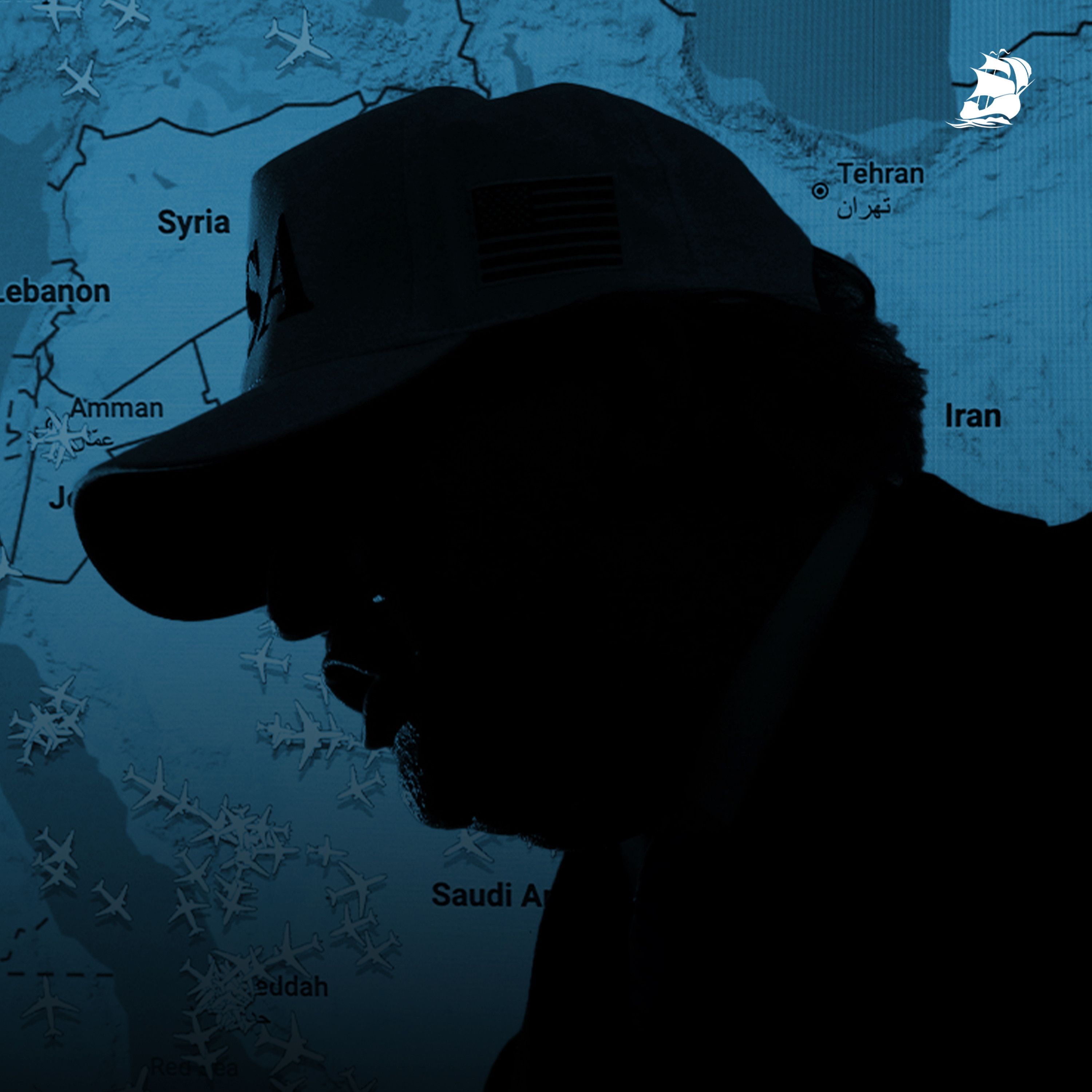
Overview of The Bulwark — "Josh Barro and Paige Cognetti: The World Is Going to Blame Trump"
This episode features two conversations. First, economist and Substack writer Josh Barro analyzes the geopolitical mess after the Trump administration’s recent escalation with Iran and lays out the likely economic fallout (oil markets, inflation, interest rates, and political consequences). Second, Scranton Mayor Paige Cognetti discusses her path from anti‑corruption mayor to congressional candidate, what she’s running on, and how Democrats can reconnect with working‑class voters.
Segment 1 — Josh Barro: geopolitics, markets, and political fallout
- Core thesis: The Iran escalation appears improvised, unauthorized by any coherent strategy, and will produce serious global economic dislocation — and politically it will rebound on President Trump.
- Main observations
- Messaging is inconsistent: Trump’s tweets and statements (e.g., promising not to stop until the Strait of Hormuz reopens) conflict with other administration lines and with realities on the ground.
- The Iran response looks improvised and not well planned — reminiscent of an opportunistic “it worked in Venezuela, do it again” mindset that ignores regime differences and likely blowback.
- Iran’s posture (threats to keep the Strait closed) increases risk of real, prolonged oil supply disruptions.
- Economic impacts explained
- Higher crude prices are not a mere headline — they force demand destruction (less jet fuel, less gasoline, reduced industrial output). Prices may need to rise dramatically to change behavior; $200/barrel scenarios are possible in extreme cases.
- Short‑term consumer pain will come via gasoline and product shortages; airlines are already trimming schedules (United trimming ~5% of flying).
- The U.S. is a net oil exporter, but consumers still lose: many households and businesses will pay more; some oil‑producing regions will benefit but most Americans feel pain at the pump.
- Monetary and fiscal complications
- The Federal Reserve faces conflicting signals: oil‑price driven inflation pressure vs. a weakening labor market that argues for easing — raising the chance of stagflation‑like dynamics.
- Trump’s push for a Fed chair who’ll cut aggressively (Kevin Warsh) faces political and institutional obstacles; the Fed is not directly controllable by the president and long‑term rates (mortgages) don’t move in lockstep with short‑term policy.
- War spending, bigger deficits, and higher oil prices push bond yields up — complicating the administration’s goals of lower mortgage and long yields.
- Trade and tariffs
- Tariffs are politically popular in some circles and didn’t necessarily cause the inflation spike people feared because tariffs also reduce consumers’ purchasing power (a disinflationary channel). But tariffs have not delivered promised reshoring or manufacturing job gains; business uncertainty may have depressed investment.
- Political consequences
- Voters punish incumbents for higher prices and shortages. Even if Trump tries to deflect blame, the administration’s actions make it politically vulnerable once pain is felt at the pump and in household budgets.
- Global backlash is likely (allies and net‑importers will be hurt) and could damage U.S. geopolitical standing.
- Other items touched
- Trump’s habit of inventing private conversations and his Supreme Court theater (attending arguments on birthright citizenship) — more performative than substantive.
- Cultural/political aside: Barro criticizes “adolescent” tax gimmicks (carveouts, high exemption thresholds) as fiscally unserious and politically infantilizing.
Notable quotes from Josh Barro
- “They didn’t refill the Strategic Petroleum Reserve — if you were coming back into office and thought you might launch a war in the Mideast, you’d have done that.”
- “If the Strait remains closed, it has to mean not just higher prices, it has to mean actual lifestyle changes.”
- On tariffs: “A tariff is just a tax that happens to be on a very specific set of goods.”
Segment 2 — Paige Cognetti: Scranton mayor running for Congress
- Background
- Paige Cognetti moved to Scranton in 2016, served in the Obama Treasury department, worked in auditing and anti‑fraud roles, then ran for mayor in 2019 as an independent in reaction to local corruption.
- Re‑elected twice; her mayoralty emphasizes anti‑corruption, fiscal management, reducing costs, housing development, parks, and fighting utility companies.
- Why she’s running for Congress
- Her opponent, Rep. Rob Bressingham (spelled in the transcript as “Bresnahan/Resnahan” — candidate name should be double‑checked), campaigned as anti‑trading but is accused of frequent stock trades while in office. Cognetti frames her campaign as fighting corruption/grift at the federal level.
- Priorities and policy focus for Congress
- Anti‑grift measures: tighter rules and norms around trading by members of Congress and administration officials (index funds / blind trusts suggested as simple fixes).
- Crypto and tech oversight: concern about nepotism, parochial deals, and insufficient regulatory guardrails.
- Insurance reform: problems with denied claims after Scranton flooding; insurance industry accountability is a local priority.
- FEMA and disaster assistance: lower thresholds for federal disaster aid, faster/better support for municipal damage and families affected by storms.
- Consumer‑facing fights: utility rate fights (she participates in PUC hearings), housing affordability, and infrastructure repair.
- Politics and strategy
- Cognetti emphasizes retail campaigning, holding town halls (says her opponent avoids them), and demonstrating concrete wins as mayor to regain voters’ trust.
- She argues Democrats must act like reformers — fight entrenched interests, not be perceived as the “machine.”
- Pushback on national cultural critiques: locally voters are pragmatic and want politicians who solve problems, not coastal cultural signaling.
- Color and closing
- Plug for the Scranton Office 5K (first Saturday in May) and lighthearted “roast” of her opponent and JD Vance (campaign banter/closing flourish).
Notable quotes from Paige Cognetti
- “The government should work as hard as the people it serves.” (from her campaign ad)
- “We have to call out corruption wherever we see it — Democrats, Republicans, it doesn’t matter.”
- “People just want to see you in action and know that you’ll fight for them.”
Key takeaways
- The Iran escalation looks ad hoc and risks a prolonged oil shock: expect higher gas prices, supply reductions, and ripple effects across global trade and inflation.
- Short‑term markets and long‑term policy conflict: the Fed is in a bind and the administration’s fiscal choices will make monetary policy harder.
- Political fallout is likely to land on the president as voters feel the economic pain — global opinion and allied relationships may be strained too.
- At the local level, candidates like Paige Cognetti argue that anti‑corruption, oversight (crypto, insider trading), insurance reform, and disaster response are tangible ways to rebuild trust with working‑class voters.
Suggested actions / what to watch
- Monitor oil benchmarks and gasoline pump prices over the coming weeks — these will be leading indicators of consumer pain and political reaction.
- Watch Congressional oversight moves on insider trading / crypto and any proposed bans or stricter disclosure rules for members of Congress and executive officials.
- Track Strategic Petroleum Reserve announcements and any coordinated international steps to keep the Strait of Hormuz open.
- For voters: evaluate candidates on demonstrated local governance (mayoral track records) and on concrete anti‑grift proposals, not just rhetoric.
Who should listen
- Anyone trying to understand the economic and political fallout of a sudden Middle East escalation.
- Voters in swing or working‑class districts looking for a grounded case study of local reformist politics (mayoral-to-Congress path).
- People interested in how macro policy (oil shocks, Fed policy, deficits) translates into everyday economic pain and electoral consequences.
Producers and credits: The episode is hosted by Tim Miller and produced by The Bulwark team (lead producer Katie Cooper; associate producer and video editing Katie Lutz; audio engineering/editing Jason Brown).