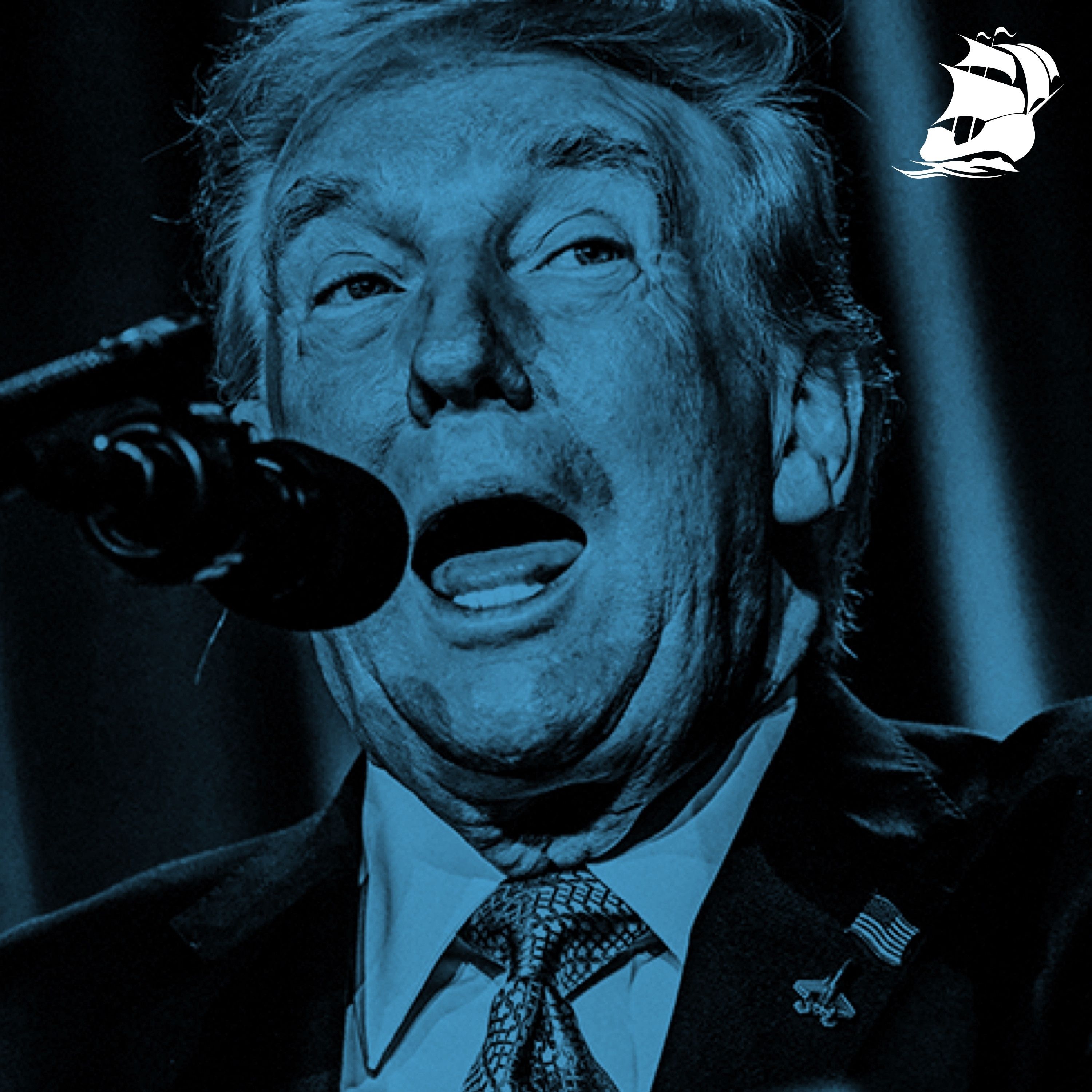
Overview of The Bulwark Podcast — David French: Our State of National Shame
This episode features Tim Miller interviewing David French (New York Times columnist, co-host of Advisory Opinions). The conversation centers on recent Trump rhetoric and behavior (including a racist Truth Social post), the moral and political strain on conservative religious supporters, abusive immigration enforcement and detention practices, institutional decay inside the Department of Justice and federal enforcement, and concrete legal reforms French proposes to restore accountability. The episode also touches on trad‑con cultural excesses and ends with lighter segments (a pop-culture game and Super Bowl pick).
Key topics discussed
-
Trump at the National Prayer Breakfast
- Hostile, provocative rhetoric toward Democrats; comments that tested conservative religious backbench support.
- French: the event highlights ongoing moral compromise by conservative evangelicals.
-
Truth Social video with racist imagery
- Trump posted a video (about election conspiracies/Dominion) that included images portraying the Obamas as monkeys.
- White House defense framed it as part of a larger “lion-king parody” that denigrated many opponents.
- French: this is explicit, repeated moral degradation and racialized attacks that supporters have tolerated.
-
MAGA vs. broader Republican loyalty
- Distinction between personal, identity-based loyalty to Trump and loyalty to individual MAGA politicians (e.g., JD Vance)—Trump retains a unique personal bond with followers.
- French suggests a potential gap between Trump loyalty and MAGA politician support, which may open political dynamics.
-
Immigration policies, custody abuses, and detention center practices
- Cases discussed: Liam Ramos (5‑year-old detained and sent to Texas), veteran Godfrey Wade (in ICE custody 5 months), stories of brutal raids and mistreatment.
- French: many practices are civil proceedings treated worse than criminal prosecutions; brutality serves as deterrence and is part of the administration’s strategy.
-
Congressional responsibility and recent behavior by Republicans (e.g., Sen. Katie Britt)
- Debate between private back‑channel assistance versus legislative reform to prevent abuse.
- French urges “put up or shut up”: if senators object, they must use legislative power to change rules and funding.
-
Federal impunity and proposed legal reform
- Problem: broad federal immunities leave citizens with limited remedies when federal actors violate civil rights.
- French’s proposal: change 42 U.S.C. § 1983 to make federal officers subject to the same civil liability standards as state/local officers.
- Legal reasoning: presidential pardons cover crimes but cannot erase civil judgments; civil liability can deter misconduct.
-
DOJ and enforcement infrastructure decay
- Staff attrition in U.S. Attorney offices and DOJ, use of under‑trained replacements (e.g., JAG officers), and long‑term damage from politicized hiring and purges.
- French warns of generational institutional damage even if personnel/policies later change.
-
Free speech & chilling effects
- Example: subpoena to Google and home visit after a citizen emailed a prosecutor urging leniency—French frames as state intimidation of private citizens and a civil‑liberty concern.
-
Trad culture / post‑liberal movements
- Critique of segments of trad‑Catholic / traditionalist influencers: French argues some embrace cruelty, hypocrisy, sexual libertinism masked as “trad” values, and reject civility as a “second‑order” value.
-
Lighter topics: Super Bowl halftime show debate (Bad Bunny vs Kid Rock) and a short humorous lyric game.
Main takeaways
- Moral & political compromise: French argues conservative religious and political institutions have repeatedly accommodated Trump’s moral failures; this accommodation has eroded guardrails and enabled escalation.
- Brutality is policy: Harsh treatment in immigration enforcement is not merely incidental—French sees it as part of a deterrence strategy the administration intentionally uses.
- Institutional damage is long‑lasting: Even reversible executive policies leave long‑term harm through staffing changes, weakened institutional norms, and politicized hires.
- Accountability through civil law: The most practical, durable fix French recommends is leveling the civil‑liability playing field so federal officers can be sued under the same standards as state/local officers (a targeted change to §1983). Civil remedies would impose financial consequences that a presidential pardon cannot erase.
- Tactical politics matter: Private expressions of outrage (back‑channel appeals) are helpful but insufficient; meaningful change requires legislative and funding action from Congress.
Notable quotes and insights
- “He’s just shoving your moral compromise in your face every single day.” — on Trump’s repeated transgressions and the demand they place on his allies.
- “When somebody shows you who they are, you can believe them originally.” — on evaluating Trump’s long‑standing behavior.
- “We are already in a state of national shame.” — on visible and hidden abuses in U.S. immigration enforcement.
- Legal insight: “The president’s pardon power applies only to crimes. It does not apply to civil liability judgments.” — rationale for civil remedies as durable accountability tools.
Concrete recommendations and action items
For Congress / policymakers
- Amend 42 U.S.C. § 1983 (five‑word change French proposes) to extend the same civil liability standards to federal officers that already apply to state/local officers, enabling lawsuits and financial deterrence for constitutional violations.
- Use DHS funding negotiations to insist on:
- Restrictions on child detention and better rules for civil immigration processing.
- Access and transparency for oversight (e.g., allow visits, cameras, documentation).
- Clear standards and accountability mechanisms for ICE/DHS personnel.
- Push for real, durable immigration reform to avoid seesawing policy and executive unilateralism.
For civil‑society, lawyers, and advocates
- Press for independent investigations of detention centers and public reporting.
- Support litigation and legal representation for detained people and whistleblowers.
- Hold legislators accountable: demand substantive legislative fixes, not just back‑channel “help.”
For listeners / citizens
- Pressure representatives to fund oversight, pass legal reforms, and not normalize abusive enforcement practices.
- Document and report abuses where safe; support organizations that provide legal aid and publicize detention conditions.
Short assessment of viability and obstacles
- Political realism: French notes the proposal is unlikely to pass under the current political alignment, but it is a politically salient, transpartisan idea that could gain traction when accountability concerns broaden.
- Pushback risk: Republicans have increasingly embraced civil‑suit mechanisms in conservative causes (e.g., Texas civil enforcement models), which has shifted some partisan views on liability—both an obstacle and an opening.
- Implementation complexity: Civil‑liability reforms raise issues (indemnification, qualified immunity nuances) that require careful legislative drafting to avoid unintended consequences, but French frames the change as modest and transformational.
Episode closing notes
- French urges combining moral clarity with institutional remedies (laws that impose real consequences).
- He emphasizes welcoming late conversions away from Trumpism, but insists on “put up or shut up” — those who now object must act through power, not just words.
- The interview closes with lighter banter (trad culture, Super Bowl picks) but the core takeaway is urgency about the humanitarian, legal, and moral costs of current enforcement practices and the need for legislative repair.