Overview of The Bulwark Podcast — Bill Kristol: The MAGA Elites Are Such Frauds
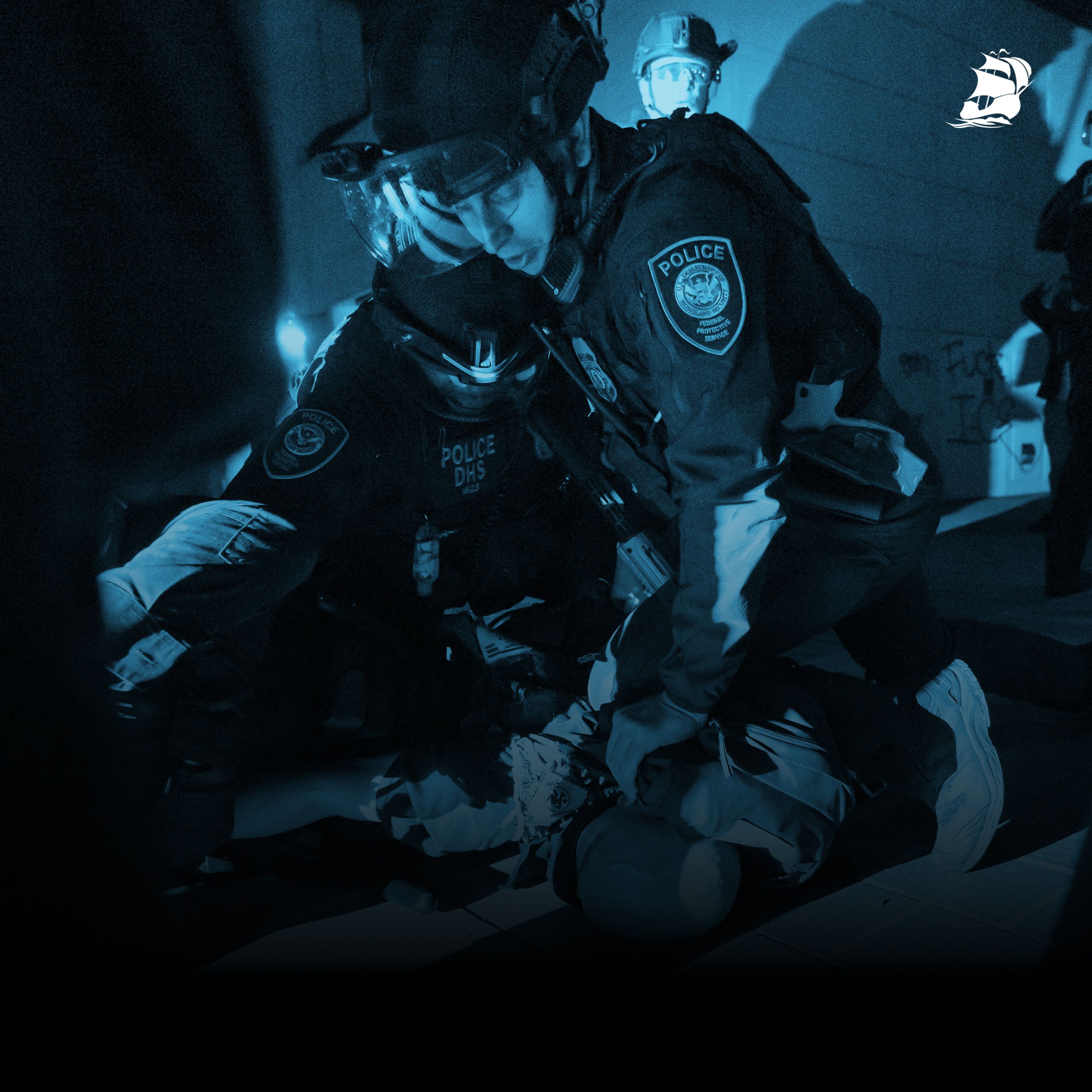
This episode (host Tim Miller with guest Bill Kristol) is a wide-ranging conversation that critiques the Trump administration, its allied agencies, and the “MAGA” elite. Major topics: a deadly Border Patrol shooting in Minnesota, ICE/Border Patrol behavior and funding, special-election trends (Tarrant County, TX), Epstein-related document leaks and the Trump circle, foreign influence (UAE stake in Trump’s crypto/AI access), cultural/political flashpoints (Kennedy Center, Grammys, Bad Bunny), and the broader claim that MAGA leaders are fraudulent rather than genuinely populist.
Key topics discussed
Border Patrol / ICE, the Minnesota killing, and agency behavior
- ProPublica published names of the Border Patrol agents involved in the killing of Alex Priddy (transcript: Alex Preddy) — Jesus Ochoa and Raimundo Gutierrez — though federal authorities had not confirmed the release at the time of the episode.
- Kristol and Miller argue CBP/ICE were not designed for domestic crowd control; agency culture (recruitment, macho/white-nationalist elements) and deployments to cities have worsened outcomes.
- Reported behaviors: breaking windows in cars/homes, aggressive roving patrols, long detainments without explanation, cruelty (e.g., mass transfers and dumping people far away).
- Funding concerns: agencies have large budgets (compared to the Marine Corps in Kristol’s claim). Even if new policies are announced, agency momentum and funding will sustain problematic behavior unless funding is clawed back or redeployments reversed.
- Political risk: Kristol warns these paramilitary forces could be used to tilt election environments in key districts/states (a threat to free and fair elections).
Defunding, demasking, and oversight
- Kristol recommends sustained fights over appropriations (not just one-time policy changes like masks/body cameras) — defund, de-deploy, and strip problematic authorities.
- Reminder: authorized funds can be unappropriated in subsequent budgets; oversight must continue beyond immediate negotiations.
Special-election signal: Tarrant County, Texas
- A Democratic win in a suburban/exurban Fort Worth state senate special election (candidate named in the transcript: Taylor Remitt) is highlighted as evidence of anti-Trump movement in swing suburbs.
- Kristol sees such wins as part of a pattern (Virginia, New Jersey, special elections) that could make some Senate/House seats competitive for Democrats if the environment worsens for Republicans.
- He emphasizes the Senate map remains hard for Democrats; isolated special-election gains suggest possible openings in a few stretched states.
Jeffrey Epstein documents, Bannon footage, and MAGA ties
- Leaked/released emails and documents from the Epstein case have exposed a wide elite network; Kristol is disgusted by elite socializing and the apparent efforts to shelter co-conspirators.
- Criticism of the administration’s handling: refusal to release key documents (2007–08 draft indictments, 302s, 2019 charging docs), poor coordination with survivors, and a perception of bad faith and cover-up.
- Steve Bannon’s obsequious interview with Epstein is cited as evidence the MAGA ecosystem was not separate from Epstein’s circle — undermining any claim that MAGA figures were clean.
Foreign influence: UAE, crypto investment, and AI access
- Wall Street Journal reporting: a UAE (sheikh) investor reportedly bought a secret
49% stake ($500M) in a Trump crypto-related company (World Liberty Financial). The investment preceded UAE access to U.S. AI chips the U.S. had previously restricted. - Kristol argues this is effectively selling access/privilege to foreign interests, raising national-security and corruption concerns; compares unfavorably to prior scandals (e.g., Clinton Global Initiative) while noting the Trump version is personal enrichment.
Culture & optics: Kennedy Center, Grammys, Bad Bunny, and Trevor Noah
- Kennedy Center: Kristol criticizes the Trump-era takeover and naming ambitions — the Center is closing for a reported two-year hiatus/renovation; he sees it as emblematic of Trump branding/vanity.
- Grammys/Trevor Noah: Trump threatened to sue Trevor Noah after a joke about “Little St. Jeff’s Island.” Kristol finds it chilling for a president to threaten comedians and notes the hypocrisy of free-speech defenders who align with Trump.
- Bad Bunny: celebrated for a Grammy win and for a forceful message (“we not savages… we are humans and we are Americans”) ahead of his Super Bowl appearance; Kristol sees cultural figures speaking out as meaningful.
Tulsi Gabbard whistleblower report
- Wall Street Journal reported a highly classified whistleblower complaint concerning Tulsi Gabbard (timeline unclear in the episode). Kristol and Miller note the similarity to past dossier/whistleblower episodes and express concern about whether actors like Gabbard could be vectors for foreign interference or partisan election meddling.
Notable quotes & characterizations
- “They love breaking windows.” — characterization of CBP/Border Patrol first-response tactics.
- “The combination [of recruitment and deployments] is very bad.” — on ICE/Border Patrol culture and consequences.
- MAGA leaders described as “frauds” — promising populist policies but acting like elites; Kristol highlights J.D. Vance as emblematic of the shift from populist rhetoric to elite behavior.
- On Epstein documents: the administration “has gone out of their way not to cooperate” and seems to want the story to “go away.”
Implications & takeaways
- Enforcement agencies with expanded budgets and urban deployments pose a civil-liberties and election-integrity risk unless constrained by Congress and oversight.
- Special-election upsets in suburban areas suggest continued political vulnerability for Trump-aligned Republicans; Senate pickups remain difficult but possible if trends continue.
- Epstein-related revelations and apparent administration non-cooperation raise concerns about accountability and possible protection for well-connected figures.
- Foreign financial entanglements between Trump entities and foreign governments (UAE) merit sustained scrutiny for national-security implications.
- Cultural figures speaking publicly (Bad Bunny, Springsteen) can matter politically by mobilizing or shaping narratives; corporate/business elites are beginning — slowly — to push back.
Action items / recommended follow-ups (what listeners/readers might do next)
- Read the ProPublica and Wall Street Journal reporting cited: (a) the Border Patrol/Priddy coverage and (b) the piece on the UAE investment/AI access. These are primary sources for several claims discussed.
- Track congressional appropriations hearings and oversight activity for CBP/ICE and any budgets allowing new deployments or multi-year authorizations.
- Watch for releases/oversight of Epstein-related documents (2007–08 drafts, 302s, 2019 charging documents) and follow survivor advocacy groups’ requests for transparency.
- Follow local/special election results in swing suburbs (e.g., Tarrant County) as early indicators of voter sentiment and potential Senate/House impacts.
- Consider attending/monitoring The Bulwark live events (mentioned: Dallas March 18, Austin March 19) if you want deeper engagement with their coverage and community.
Bottom line
Bill Kristol and Tim Miller present an argument that the MAGA project is not a genuine populism but a racket of elite enrichment, paramilitary empowerment, and cultural capture. They urge sustained oversight, budgetary pushback, and public scrutiny — of ICE/Border Patrol conduct and funding, of Epstein-era secrecy and potential co-conspirators, and of foreign financial relationships with Trump entities — warning that these trends threaten civil liberties, democratic fairness, and national security.