Overview of Bill Kristol: MAGA's Grievance Culture
This episode of The Bulwark Podcast (host Tim Miller, guest Bill Kristol) is a wide-ranging conversation about contemporary conservative culture, political strategy, and the immediate policy battleground over Homeland Security funding. Kristol and Miller mix cultural commentary (Super Bowl halftime, Olympics) with policy analysis (DHS/ICE funding, congressional strategy), electoral takeaways from recent special elections, and recommendations for Democratic messaging going into 2024–2026 cycles.
Key topics discussed
Culture and spectacle
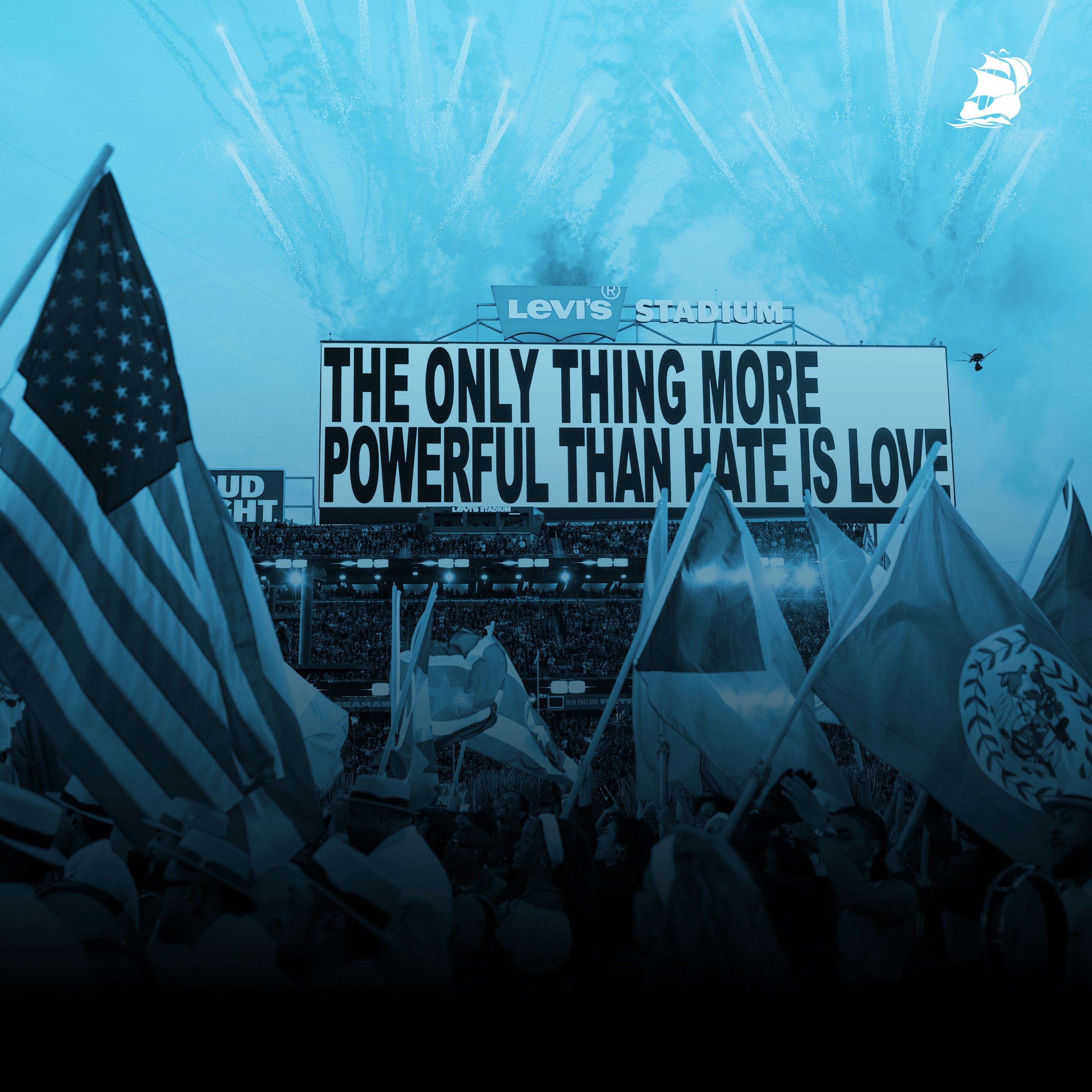
- Super Bowl halftime (Bad Bunny) as a flashpoint for conservative grievance; Kristol argues the backlash is performative and reflects MAGA’s “grievance culture.”
- Olympics athletes speaking critically about U.S. politics drew similar conservative outrage; Kristol defends athletes’ right to express views and contrasts with authoritarian limits in other countries.
- “Patriotic correctness”: the MAGA demand that public displays conform to a strict, enforced patriotism (examples: calls to remove athletes from teams, strip citizenship).
DHS / ICE / Border Patrol funding
- Major focus: strategy for Democrats confronting a Homeland Security appropriations bill that includes funding for ICE and CBP.
- Kristol’s recommendation: Democrats should separate the “useful” DHS elements (FEMA, Coast Guard, TSA) from funding for ICE/Border Patrol and force an explicit vote on the latter.
- Argument: restrictions on ICE/CBP are often unenforceable; cutting funding is a more direct lever. Also suggests adding independent investigations of recent killings and alleged cover-ups as conditions.
Cover-up and accountability concerns
- Cites reporting that FBI agents were ordered to stop forensic work after a killing, with orders tied to political leadership (mentions Kash Patel). Kristol argues this strengthens the case for aggressive oversight and public pressure.
Electoral signals and messaging
- Special elections: Chassidy Martinez’s win in a Louisiana House special seen as encouraging for Democrats—possible signs of a “wavish” electorate in some districts.
- Candidate recruitment: Kristol urges credible Democratic candidates to run in states that haven’t hit filing deadlines yet.
- Messaging model: praises John Ossoff’s speech framing Trump as serving an “Epstein class” (i.e., ultra-rich elites) who betray working-class voters. Kristol endorses an economic-populist line that ties elite enrichment and policy choices (rural hospital closures, tariffs, tax breaks) to Republican governance.
Main takeaways
- MAGA’s persistent outrage over cultural moments (halftime show, athletes’ comments) reflects a deeper grievance-driven political posture that demands performative loyalty.
- On DHS funding, Democrats have a strategic opportunity: decouple widely popular DHS functions from ICE/CBP funding and force Republicans to defend deportation/enforcement spending explicitly.
- Congressional restrictions on ICE/CBP are often toothless; reducing funding is the clearer lever for accountability and policy change.
- Recent reporting of alleged political interference in investigations increases leverage for Democrats to add conditions (independent probes) to any funding package.
- Politically, Democrats should sharpen a coherent, populist economic message that accuses Trump/MAGA of betraying working-class voters while still appealing to both moderates and progressives.
Notable quotes / memorable lines
- “Grievance culture” — used to describe MAGA’s tendency to be continually offended and to weaponize outrage.
- “The Epstein class” — a memorable phrase used (via Ossoff) to describe an ultra-rich ruling class benefiting from Trump-era policies.
- “They’re stealing money and they like it” — Kristol, on the corruption evident among top officials.
Actionable recommendations (for Democrats / progressives)
- Separate the DHS appropriations bill: push to fund FEMA/Coast Guard/TSA separately and force a public vote on ICE/CBP funding.
- Use public hearings and messaging to demand independent investigations into reported FBI interference and killings tied to DHS operations.
- Stay on offense publicly — don’t cede the narrative to backroom negotiations; force Republicans to defend their positions in public.
- Recruit credible candidates aggressively in red and purple states before filing deadlines; contests in those states matter for Senate and House math.
- Adopt a coherent economic-populist message: frame Trump/MAGA as serving elite interests while abandoning working-class voters; use concrete examples (rural hospital funding, farm impacts) to tie policy to voters’ lives.
Tone and context
- The episode mixes humor and sarcasm (sports and culture bashing) with earnest policy debate. Bill Kristol is skeptical of performative cultural fights while prioritizing pragmatic political pressure on funding and investigations. Tim Miller pushes for tactical clarity and electoral recruitment.
Bottom line
This episode argues Democrats have both political and moral cover to press hard on ICE/CBP funding and corruption/accountability issues. Culturally, conservatives’ rage over entertainment and athlete commentary is symptomatic of a broader grievance-driven movement; strategically, the immediate battleground is how Democrats force Republican accountability over Homeland Security spending and use targeted messaging to win swing voters.