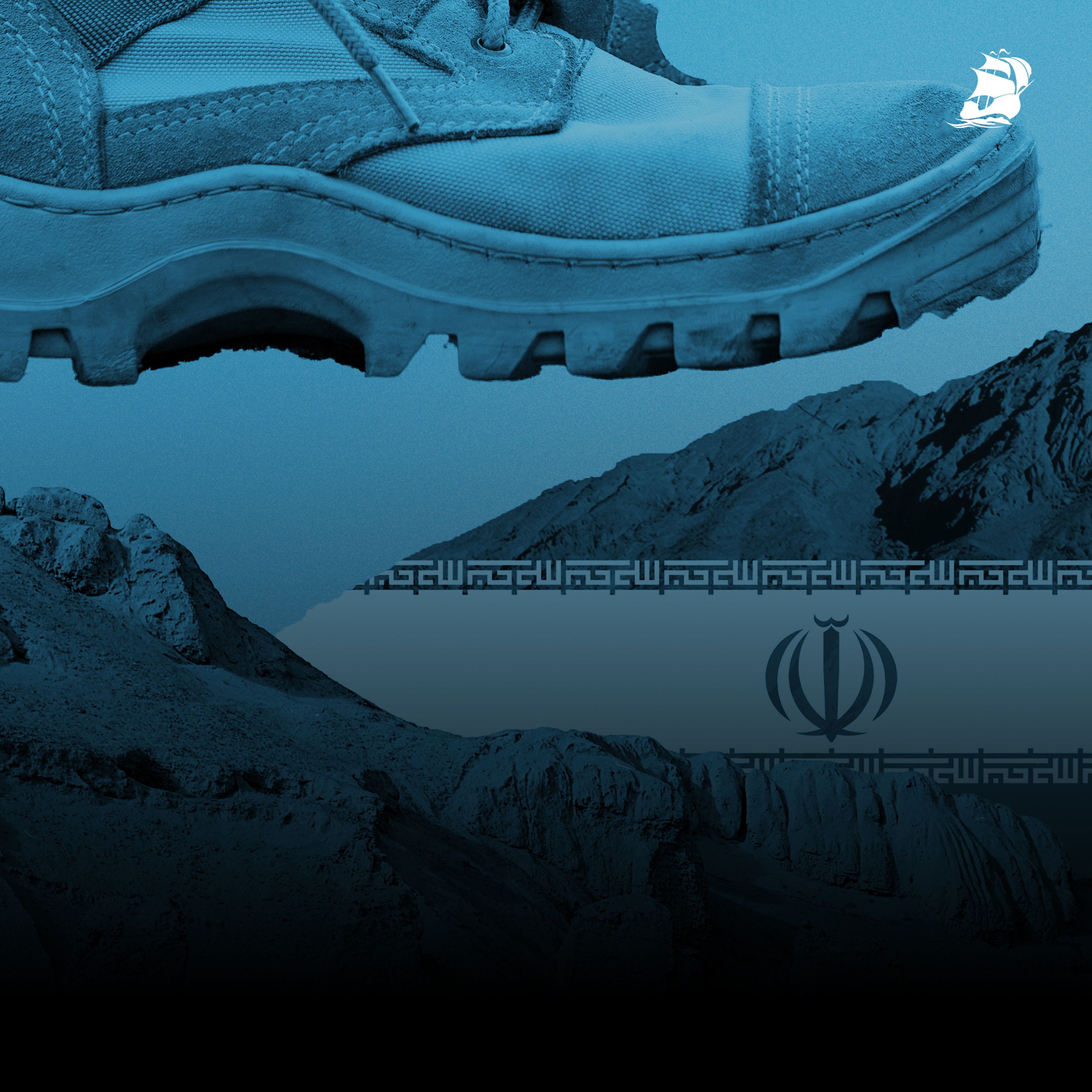
Overview of The Bulwark — "Bill Kristol: End the War"
This episode of The Bulwark (host Tim Miller, guest Bill Kristol) is a wide-ranging, candid conversation about the U.S. response to the Iran crisis, the diplomatic fallout with allies, the domestic political consequences for Trump and the GOP, media and surveillance concerns, likely economic impacts (especially on energy), and some miscellaneous cultural/political items (including an unconventional Alabama gubernatorial candidate). The tone is critical of the administration’s strategy and emphasizes urgency for Congress and the Democratic opposition to push a clear anti-escalation message: “End the war.”
Key topics discussed
-
Iran war and strategic choices
- Bob Kagan’s framing: the crisis exposes a fork in the road for Trump — either cut and run (declare victory) or escalate (ground operations/regime-changing pressure).
- How current military objectives have narrowed from broad regime-change rhetoric to securing the Strait (which was open prior to the crisis).
- The risk that either decision damages U.S. standing: cutting and running looks weak; full escalation (e.g., Marine landings) is extremely risky and likely to draw the U.S. deeper into Iran.
-
Damage to alliances and global credibility
- European, Asian, and Gulf partners were insufficiently consulted; many rebuffed requests for coalition support (Germany, Italy, Spain, Japan tentative, UK hesitant, Canada/Australia/Netherlands/others noncommittal).
- The war benefits Russia (energy revenues) and creates friction with allies who see the U.S. as unpredictable and unconsultative.
- Gulf partners who invested in close ties (Qatar, UAE, Saudi deals) now face risks and may question the value of those arrangements.
-
Domestic politics and MAGA factionalism
- Signs of a split within the MAGA ecosystem: JD Vance mostly quiet; attacks and counter-attacks among MAGA media figures (e.g., Mark Levin vs. Megyn Kelly; Marjorie Taylor Greene’s interventions); rising anti-Israel/anti-Semitic currents among some younger MAGA activists and influencers (Nick Fuentes, Groyper elements).
- Concern that an anti-Israel America First current could grow among activists and threaten to reshape parts of the GOP coalition (though Trump’s personal influence still mutes fragmentation).
-
Media pressure, censorship risks, and private-sector chilling effects
- Trump, allies (e.g., FCC commissioner Brendan Carr), and administration figures have threatened media outlets and floated regulatory pressure (threats to broadcast licenses, public denunciations, even hyperbolic treason comments).
- There’s evidence of a chill in Hollywood and media investment decisions; merger and ownership moves could tilt the sector over time.
- The podcast debates whether government-driven media control will be effective here and warns opponents to fight on multiple fronts (legal, market, public pressure).
-
Surveillance, law enforcement, and civil liberties
- ICE and DHS practices: daily arrest quotas, use of Palantir/facial recognition tools, and expanded surveillance targeting protesters and citizens—troubling legal and civil-liberty implications.
- Broader concern about erosion of constraints on intelligence collection and domestic targeting.
-
Economic impacts — energy, supply chains, and inflation risk
- Oil and commodity shocks from Gulf instability will likely persist for months. Analysts (cited Goldman commodities perspective) warn that restoring disrupted flows could take many months (e.g., 200 days cited as an example for replacing certain volumes), with knock-on effects across fertilizers, petrochemicals, metals, shipping, and insurance.
- The U.S. economy was already slowing; sustained energy-driven inflation could tip into recession or materially worsen consumer-facing costs.
-
Congress, funding, and the "End the war" argument
- Talks of a supplemental funding package for the Iran war (size cited: ~$100 billion+) — potentially the major must-pass measure this year.
- Kristol argues Democrats should adopt a clear "End the war" line and refuse blank checks for ground operations; limited short-term funding (30–60 days) to secure and withdraw troops could be a narrow, defensible exception.
- Critique of weak congressional oversight: limited testimony, secret briefings, and little formal War Powers consultation so far.
-
Local politics & oddities
- Spotlights a heterodox Alabama Democratic hopeful, Jamel J. Brown, with a mix of populist left/right measures (legalize and tax marijuana, end grocery tax, pardon nonviolent offenders, “make Montgomery a strip-club city,” etc.) as an example of unconventional red-state Democratic experimentation.
-
Ads/sponsorships interwoven (Wild Alaskan, LifeLock) and light cultural banter.
Main takeaways
- The administration’s handling of the Iran crisis has significantly eroded trust with key allies and left the U.S. appearing both reckless and indecisive.
- Trump faces a consequential choice: back away and risk appearing weak or escalate into a dangerous, open-ended conflict. Both outcomes carry serious strategic and political costs.
- Economic fallout from disrupted Gulf energy flows is likely to be prolonged — months, not weeks — with inflationary and recessionary risk.
- Congress should not give an open-ended funding blank check; Democrats (and reasonable Republicans) should push a clear “End the war” message while ensuring limited, timebound funding to secure troop safety.
- The domestic political scene is fracturing within MAGA and conservative media; anti-Israel narratives and younger extremist currents could create longer-term realignments if unchecked.
- Threats to press freedom and private-sector chilling effects are real, even if some direct regulatory threats have been ineffectual so far — opponents must resist on multiple fronts.
Notable quotes & sharp lines
- “We’re deepening the rift in the alliance, almost making it irreparable.”
- “Both [cutting and running or escalating] are bad.” (on Trump’s strategic options)
- Recommended opposition headline: “End the war.” — Kristol urges Democrats to use this clear top-line message.
- On domestic consequences: “Brave. Reckless is one step over from brave.” (on the administration’s strike decision)
Recommended actions / what listeners should watch for
For policymakers and the Democratic opposition
- Adopt and repeat a clear top-line message: “End the war.” Refuse blank checks for ground invasions; consider short, conditional 30–60 day funding to protect and withdraw personnel.
- Demand formal War Powers consultations and public hearings; press for transparency and a clear plan before further escalation.
For media and civil-society defenders
- Monitor regulatory and ownership moves in media; mount legal and public campaigns to block politicized licensing or merger strategies.
- Push back legally and publicly against government intimidation tactics and threats to journalists.
For the public and voters
- Expect energy-driven inflation to persist; prepare for higher gasoline and grocery costs and watch consumer budgets.
- Be skeptical of influencer-driven conspiracy content (e.g., viral claims about leaders’ health or death) and verify with reputable outlets.
- Watch intra-GOP factional battles (Tucker/MTG vs. Trump-wing) as they could shape 2028 primaries and the party’s foreign-policy orientation.
For privacy/civil-liberties advocates
- Raise alarms about ICE/DHS use of surveillance tech (Palantir, facial recognition) and push for legislative limits and oversight.
- Track court cases and state-level responses to protect protesters and citizens from unjustified targeting.
Bottom line
Bill Kristol argues that the Iran confrontation has exposed a strategic and political crisis: global alliances strained, a presidency at a decision point with dangerous options, and substantial domestic fallout (economic, political, and civil-liberty threats). His central prescription for the political opposition: be unequivocal — “End the war” — while insisting on congressional oversight, short-term protections for service members, and robust opposition to any open-ended escalation or domestic repression.
(Also: keep an eye on oil markets, MAGA factionalism, media ownership moves, and surveillance expansion.)