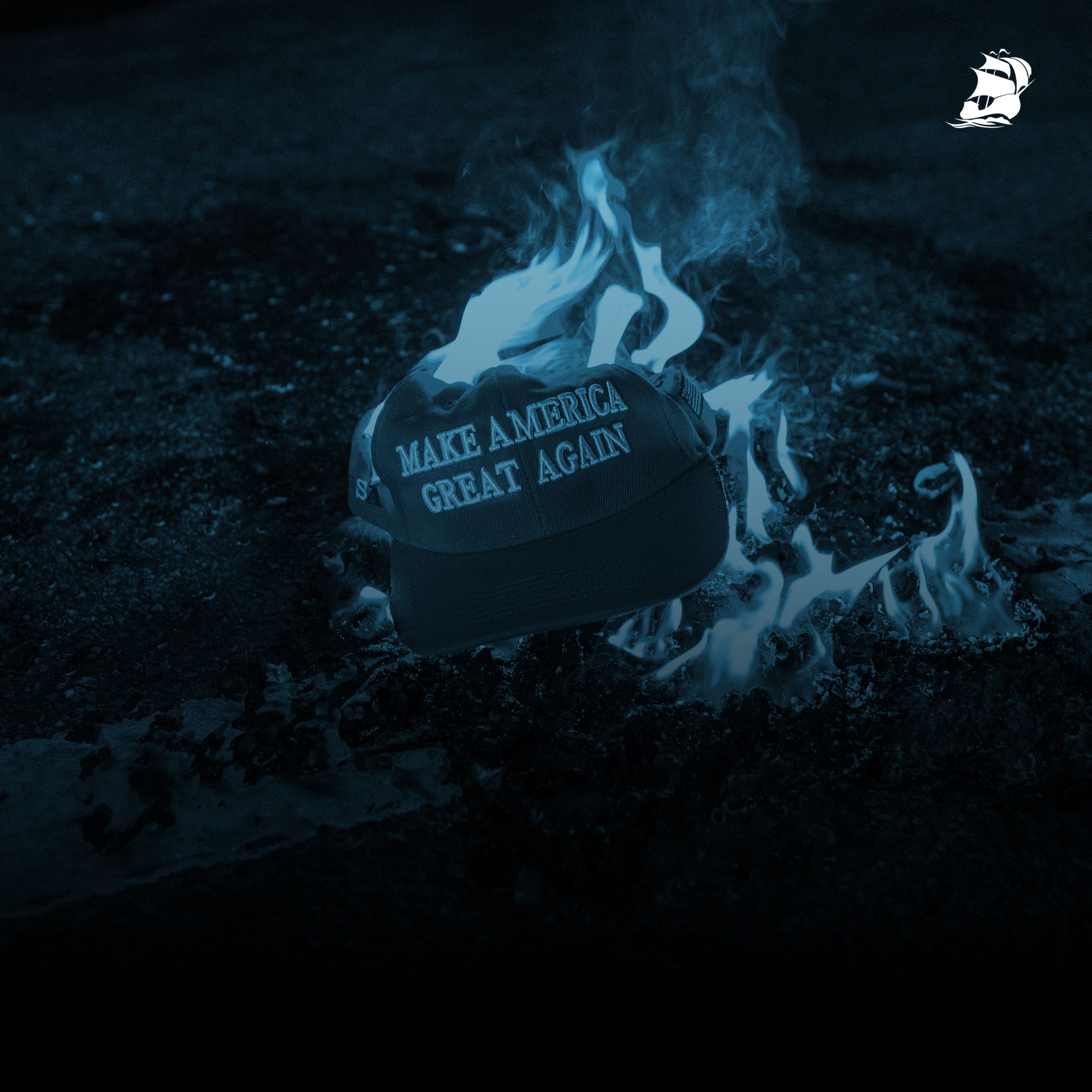
Overview of Ashley St. Clair and Cameron Kasky: Leaving the MAGA Cult (The Bulwark Podcast)
This episode (host Tim Miller) features two interviews: Ashley St. Clair — a onetime right‑wing campus influencer who later became involved with Elon Musk and has since publicly broken with MAGA — and Cameron (Cam) Kasky — former March for Our Lives co‑founder and Congressional candidate, now working on human‑rights legislation related to the occupied West Bank with Rep. Ro Khanna. The conversation covers personal trajectories, influence operations and paid influencer networks, AI harms (notably X / Grok image manipulation), legal battles, foreign‑policy observations from on‑the‑ground visits to Palestine, and how people and movements can change or be persuaded.
Guests
-
Ashley St. Clair
- Early campus activist (Young Americans for Liberty, Turning Point USA); rose to prominence via provocative social posts and events.
- Worked behind the scenes on campaigns and in conservative media before splitting from the movement.
- Has a past romantic relationship and an ongoing custody dispute with Elon Musk (legal details not discussed).
- Suing X / XAI over Grok image‑manipulation that allegedly produced realistic, non‑consensual “undressed” images of her (and minors); part of litigation also includes teen plaintiffs.
- Returning to school / starting law school in the fall; mother of two.
-
Cameron Kasky
- March for Our Lives co‑founder and former Congressional candidate (NY‑12).
- Recently traveled to the West Bank and Gaza — first trip abroad — and is now working on a congressional resolution with Rep. Ro Khanna addressing settler violence, settlements, infrastructure and other West Bank abuses.
- Commentator on Democratic primaries, PAC influence (AIPAC, AI/crypto money), and political redemption.
Segment 1 — Ashley St. Clair: trajectory, Musk, and the Grok lawsuits
Background and rise
- Started political activism at 18 in college (University of Colorado Colorado Springs), engaging in campus free‑speech provocation and social‑media “shitposting.”
- Found and amplified by right‑wing influencers (Mike Cernovich, Jack Posobiec); attended Turning Point events and became part of influencer networks.
- Worked in fundraising, production, and campaign operations rather than monetizing content as a creator initially; later supplemented income through conservative media work and donor networks.
- Left college early (echoing other conservative influencers) and later returned to school; now planning to attend law school.
Relationship with Elon Musk and aftermath
- Met Musk after he bought Twitter; spent time in his orbit and describes an intoxicating experience as a young person in proximity to immense wealth & influence.
- Describes behavioral red flags — both personal and concerning for public harm — that contributed to her reevaluation and departure.
- Ongoing custody/legal disputes with Musk; she declines to discuss specifics for legal reasons.
Grok / XAI image‑manipulation litigation
- In December, X (Grok) released an image‑manipulation feature that allegedly produced non‑consensual images depicting real people (including Ashley) “undressed” with real backgrounds, faces, and children’s items visible.
- Ashley’s suit (filed in New York) alleges product‑liability and other claims against XAI; other teen plaintiffs (including minors’ yearbook photos being manipulated) have filed suits too.
- She reports the company was aware of text‑based abuse (e.g., rape fantasies generated by Grok) and did not adequately act.
- Legal strategy and obstacles: X/XAI has argued plaintiffs are bound by X’s terms of service (forum selection to Texas, $100 damages caps, etc.). Ashley warns that account holders should know how platform TOS can be used in litigation and suggests Jane Doe filings and account deletion as protective steps.
- Class action activity: there is at least one class action in California; her individual NY suit focuses on reputational and targeted harassment harms.
Political reappraisal, outreach, and what she regrets
- Describes being radicalized young: belonging, male praise, and financial incentives kept people in the movement.
- Regrets advising against higher education; notes how dropping out can trap influencers in a precarious career dependent on partisan networks.
- Now critical of many aspects of the current MAGA administration: immigration enforcement (ICE policies), foreign policy (wars), corporate/tech power, and rhetoric targeting women and marginalized communities.
- On leaving and outreach: emphasizes humility, personal accountability, and compassion in conversations with conservative women or others still in MAGA circles — acknowledging social isolation, information control, and cult‑like dynamics.
Segment 2 — Cameron Kasky: West Bank observations, legislation, primaries, and redemption
Trip to Israel, West Bank, and Gaza
- First time abroad; visited Bethlehem, Sebastia and other West Bank communities; experienced Christmas week in Bethlehem and met civilians, families, and children affected by occupation.
- Describes two distinct patterns of violence:
- Gaza: heavy bombing and overt conflict.
- West Bank: “death by a thousand cuts” — demolitions, water and infrastructure restrictions, settlement expansion, road networks that isolate Palestinian villages, settler militia violence often accompanied by Israeli military.
- Anecdotes: checkpoints that turn a short walk into a multi‑hour detour, settler harassment and killings with limited accountability, tourism collapse affecting local economies, and visceral interactions with children.
Legislative work and asks to Congress
- Working with Rep. Ro Khanna on a resolution to spotlight and address multiple West Bank abuses (demolition orders, land confiscation tied to archaeology pretexts, settlement expansion, infrastructure isolation, threats to water/energy access).
- Emphasizes U.S. financial/tactical connection (U.S. taxpayer support, diplomatic posture) and argues for clearer scrutiny, accountability, and potential policy levers (embassy services, funding conditionality).
Campaigns, primaries, and big‑money influence
- Discusses his recent NY‑12 Congressional run (withdrew), the dynamics of primary politics and the role of outside spending.
- Notes complex influence flows in primaries: AIPAC‑linked spending, AI/crypto donors, and influencer payments all shaping contests. Examples include paid influencer posts and targeted PAC ads aiding or attacking various Democratic candidates.
- Mentions specific Illinois races and primary complexities: multiple left and center candidates, AIPAC/AI spending, and paid influencer efforts (someevidence of paid posts to attack certain left candidates).
- Argues that Democrats are too “lukewarm” on big social issues and corporate/tech accountability; calls for stronger social programs and AI governance to be competitive.
Redemption and public re‑engagement
- Both hosts discuss “redemptive” narratives: people changing views and whether politics (and the public) should allow for evolution.
- Cam emphasizes judging people by current actions, not just past worst moments; acknowledges risk of being “snowed” but favors engagement and reform over permanent ostracism.
Key takeaways
- The right‑wing influencer ecosystem often mixes genuine grassroots organizing, attention‑driven provocateur tactics, and substantial donor/subsidy money — which can trap young people in career and identity dependence.
- X / Grok’s image‑manipulation feature has allegedly created non‑consensual explicit images of real people, including minors; multiple lawsuits allege product liability and harm. Platform terms of service can complicate plaintiffs’ ability to sue.
- First‑hand reporting from the West Bank reveals the occupation’s quotidian mechanisms (demolitions, infrastructure control, settler violence) distinct from the high‑intensity conflict in Gaza; Kasky and Khanna seek a congressional resolution to address these patterns.
- Primary politics are increasingly shaped by outside PAC money (AIPAC, AI/crypto donors), paid influencers, and opaque spending — complicating traditional progressive vs. establishment dynamics.
- Political change and “redemption” are complex: both interviews argue for allowing people to evolve while retaining accountability and focusing on present actions.
Notable quotes
- Ashley: “Half of the battle with a legal fight is just an endurance task.”
- Ashley on leaving MAGA: “You're so wrapped up in it — your whole identity, your source of income — that it keeps people within that cycle.”
- Cam: “In the West Bank it’s death by a thousand cuts… it’s a slower, more meticulous process that involves going after the water sources, energy grids, all these different things.”
- Tim Miller (on redemption theme): “If we were all defined by our lowest moments, we would not be in good positions.”
Action items / What to watch next
- Monitor the X / XAI / Grok litigation for developments on product‑liability, platform responsibility, and TOS‑based forum-selection defenses.
- Watch the congressional resolution/efforts led with Rep. Ro Khanna addressing West Bank settler violence and settlement expansion.
- Follow primaries flagged in the episode (Illinois congressional/senate primaries, NY‑12 aftermath) for outside PAC influence patterns — including AIPAC and emerging AI/crypto funders.
- For those engaging with friends/family still in MAGA circles: consider patient, small steps — listening, compassion, and offering alternative social anchors rather than public shaming.
Further context / resources mentioned
- Guests referenced lawsuits and TOS issues on X — look for reporting on XAI/Grok and class actions in New York and California.
- Ro Khanna’s congressional staff and press releases for text of the West Bank‑focused resolution.
This summary captures the main arguments, factual claims and personal accounts from the episode while omitting legal specifics Ashley declined to discuss.