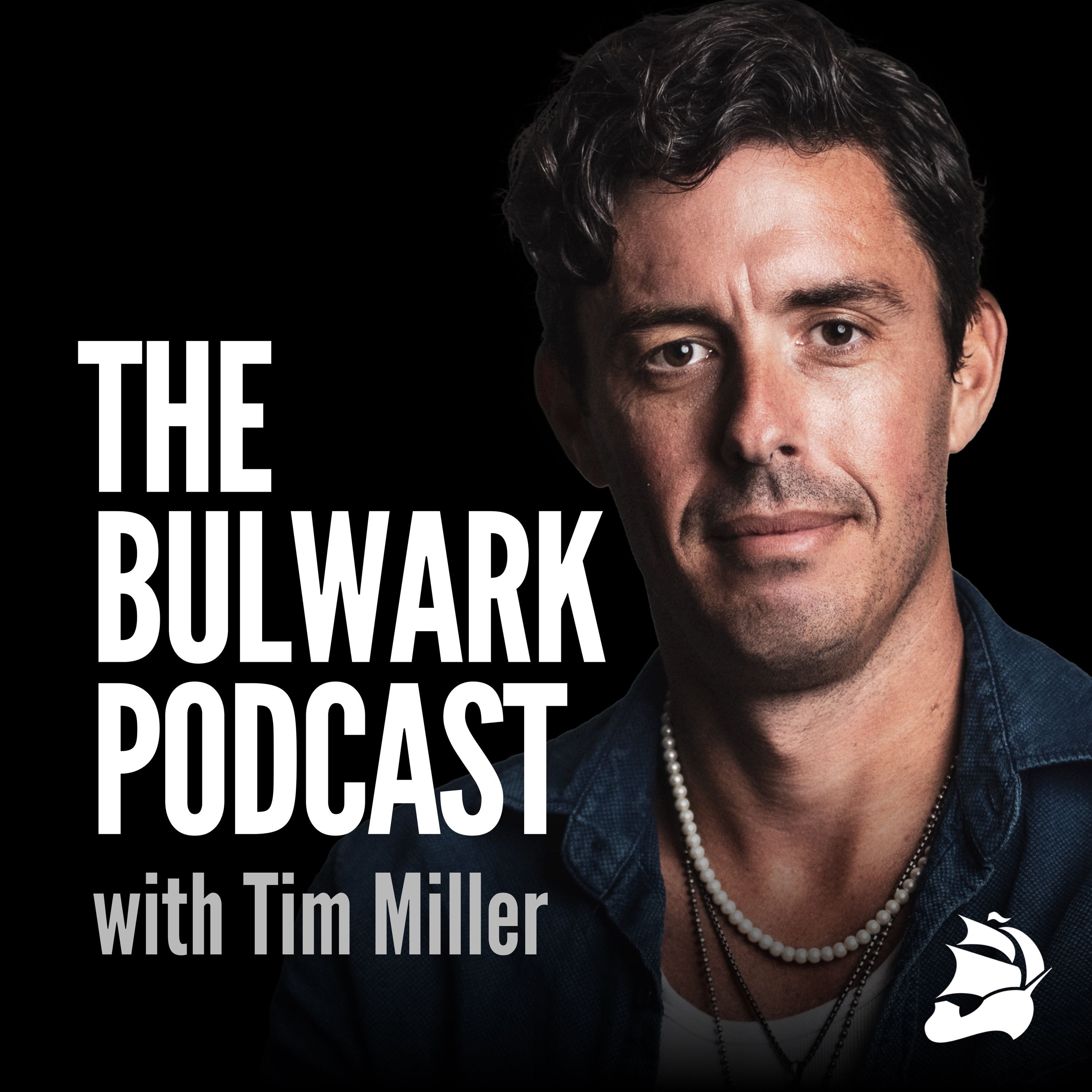
Overview of Nicolle Wallace: The Sore Loser Is Trying to Ruin Our Elections
Tim Miller’s pre-vacation episode of The Bulwark Podcast features a wide-ranging conversation with Nicolle Wallace about Donald Trump’s upcoming speech on election integrity, the ongoing damage to democratic institutions, and how Democrats should respond. The core theme is that Trump is now asking his own base to accept a deeply cynical lie: that elections were free and fair when he won, but fraudulent when he lost. Wallace argues that the real danger is not just the lie itself, but how far GOP leaders and media figures are willing to go to launder it.
Trump, Election Lies, and the “Mind-Fuck” for His Base
Wallace and Miller focus on Trump’s expected remarks about election machines, voter rolls, and foreign interference. Their central point:
- Trump is trying to convince supporters that:
- elections under Obama and Biden were secure because he won,
- but the 2020 election was fraudulent because he lost.
- That framing is, in Wallace’s view, a “cynical” and “brazen” demand that his base accept contradiction.
- They argue that this is not just standard MAGA denialism; it’s a deeper test of whether Trump can make supporters believe almost anything.
A recurring point is that if Trump’s followers accept this logic, then there may be effectively no limit to what they can be persuaded to believe.
The Rule of Law, DOJ/FBI, and the Silence of Former Leaders
A major part of the conversation is about what Wallace sees as the abdication of responsibility by former Justice Department and FBI leaders under Trump-era pressure.
Key concerns raised:
- Trump and allies like Todd Blanche and Kash Patel are using the Justice Department and FBI to punish perceived enemies.
- Prosecutors and agents who worked on Trump-related cases have been smeared, fired, or investigated.
- Wallace says former leaders like Merrick Garland, Lisa Monaco, and Christopher Wray have an obligation to speak publicly in defense of those people.
Wallace’s argument:
- Staying silent does not protect the institution; it leaves people defenseless.
- The people fired or targeted are owed their reputations back, even if their jobs cannot be restored.
- She sees the failure to defend them as one of the worst leadership failures of the moment.
Immigration, Repression, and the Breaking Point
The conversation also revisits Trump-era immigration abuses and current deportation practices.
- Wallace and Miller discuss the deportation of people to third countries, including Cubans, and the broader cruelty of immigration policy.
- Wallace ties this to the same moral collapse underlying the election lies and DOJ weaponization.
- She emphasizes that the most alarming pattern is the normalization of state abuse and the public’s numbness to it.
What Democrats Should Do Differently
A significant portion of the interview is about Democratic strategy, message discipline, and what kind of candidates can actually win in the Trump era.
Wallace’s view:
- Democrats need:
- a fighter,
- a strong communicator,
- someone with scars from being in a fight with Trump,
- and a broad unifying message centered on saving democracy.
- She argues the party should not spend its energy on internal purity fights or “politics of subtraction.”
- Instead, it should build a coalition of everyone who does not want to live in an autocracy.
What she thinks works:
- Focus on real-world problems voters feel every day.
- Talk about corruption, broken institutions, instability, and the basic functioning of government.
- Avoid overcomplicated strategy sessions that lose sight of the moment.
Names she highlights:
- Jon Ossoff
- Raphael Warnock
- Chris Murphy
She sees them as examples of politicians who can communicate in a grounded, in-touch way.
McCain, Lindsey Graham, and the Loss of Republican Normalcy
Wallace and Miller also reflect on the long collapse of the old Republican foreign-policy world.
- She expresses sadness about figures like Lindsey Graham, who once forcefully criticized Trump and later fully capitulated.
- John McCain’s legacy comes up as a contrast:
- a Republican who believed in democracy and American leadership,
- and whose name still meant something to people living under authoritarian pressure abroad.
- Wallace suggests that some part of America’s moral standing and international credibility may be harder to recover than domestic institutions.
Jack Smith as a Hero and a Model of Public Service
One of the most upbeat parts of the episode is Wallace’s praise for special counsel Jack Smith.
Why she admires him:
- He is substantive, serious, and focused on the rule of law.
- He represents the kind of public servant she believes the country needs more of.
- His interview reaffirmed her belief that the fight is really about protecting the public, not partisan advantage.
She says Smith helped restore her faith in what the anti-Trump fight is for: not nostalgia, but a return to honest public service and institutional integrity.
Main Takeaways
- Trump’s election narrative is not just false; it is strategically designed to humiliate his own supporters into accepting contradiction.
- The weaponization of DOJ/FBI is one of the gravest threats to democratic norms.
- Former institutional leaders are failing if they stay silent while their people are targeted.
- Democrats need sharper communication, clearer purpose, and a bigger anti-autocracy coalition.
- Wallace remains deeply alarmed, but sees figures like Jack Smith and some Democratic communicators as proof that integrity still exists in public life.
Notable Themes
- Democracy vs. autocracy
- Cynicism in politics
- Institutional collapse
- Moral responsibility of leaders
- How to communicate clearly in a chaotic media environment
Programming Note
Tim Miller also lets listeners know he’ll be on vacation for two weeks, with the show shifting to guest hosts and Summer Fridays scheduling.