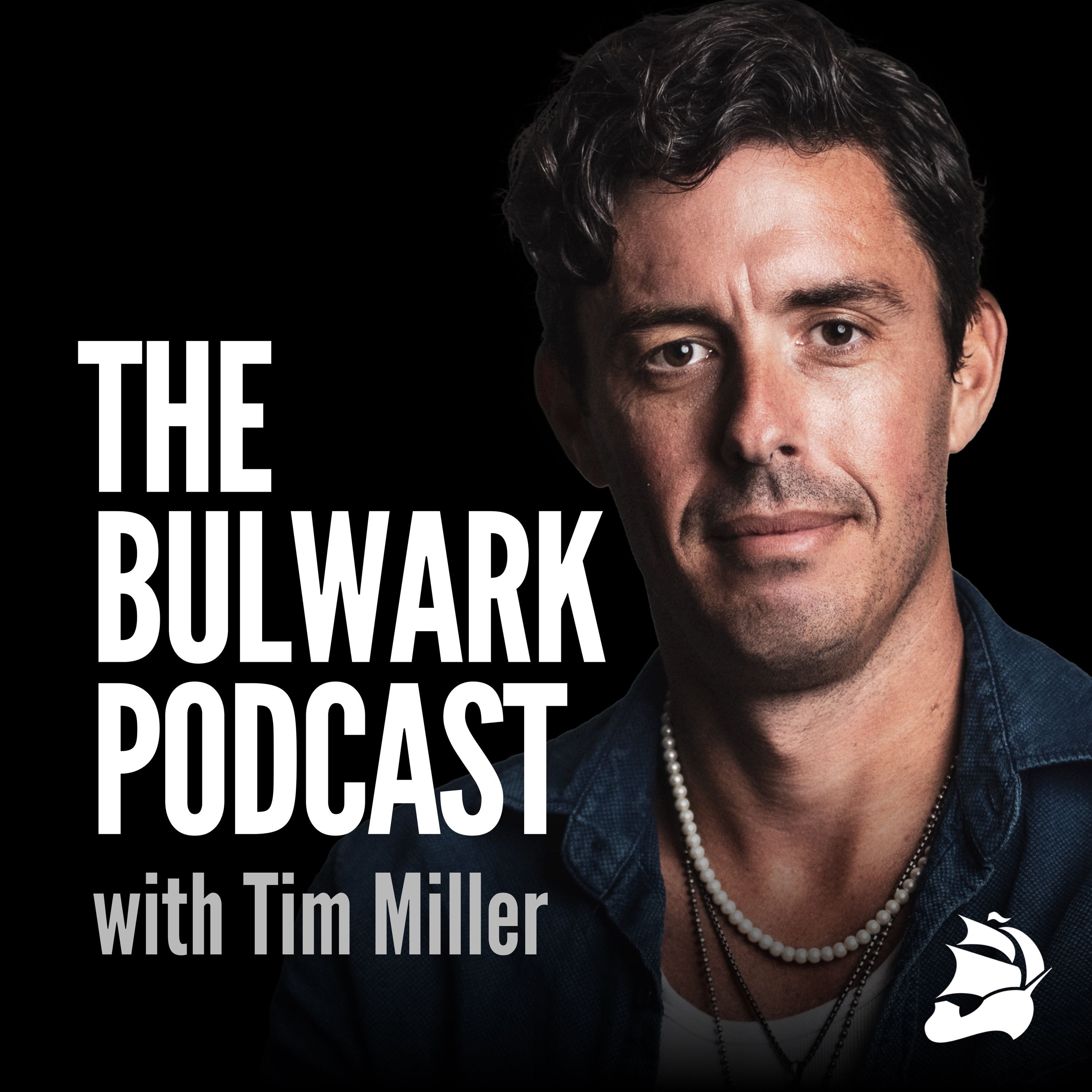
Overview of The Bulwark Podcast
This episode is a two-part conversation: first, Tim Miller talks with Maggie Haberman about her book Regime Change and the ways Donald Trump has reshaped the modern presidency; then he speaks with Cameron Kasky about the left-wing primary insurgency, especially the rise of DSA-aligned candidates and the politics of Israel, generational change, and Democratic strategy.
Maggie Haberman on Trump’s Second Term and Regime Change
Haberman argues that Trump’s second term is dramatically different from the first: tighter, more disciplined, more loyalist-driven, and far more effective at consolidating power.
Main themes from the interview
-
Trump has transformed the presidency
- Haberman says Trump has expanded executive power faster and more aggressively than previous presidents.
- The administration is built around a small, loyal inner circle rather than a large, chaotic staff.
- She frames the book title, Regime Change, as a description of how Trump has altered the nature of U.S. governance.
-
Immunity and impunity are central to Trump’s mindset
- Trump’s Supreme Court immunity ruling reinforced his belief that he can act without consequences.
- Haberman describes Trump as openly saying “I’m immune.”
- This mindset shapes his use of pardons, executive action, and loyalty expectations.
-
January 6 pardons were contemplated from the start
- Trump considered including a reference to pardons for January 6 defendants in his inaugural address.
- He ultimately issued sweeping pardons shortly after taking office.
- Haberman emphasizes that even this “last concession to decorum” was quickly abandoned.
-
Elon Musk functioned like an unofficial co-president early on
- Musk reportedly occupied an office in the Eisenhower Executive Office Building and helped drive decisions from the top.
- He pushed drastic cuts and agency eliminations, including efforts targeting USAID and the EEOC.
- Haberman says Musk’s influence created chaos and distracted from the official administration’s own priorities.
-
Marco Rubio is not the “adult in the room” many hoped for
- Haberman rejects the idea that Rubio is serving as a John Kelly or Jim Mattis-type constraint on Trump.
- She says Rubio is deeply embedded in the Trump operation and appears to enjoy his role.
- He is heavily involved in foreign policy, domestic power plays, and day-to-day White House operations.
-
The CECOT/El Salvador prison deal shows the administration’s hardline turn
- Haberman describes Rubio’s involvement in negotiations with Nayib Bukele over use of the CECOT prison.
- She says the result helped facilitate the deportation of people to a notorious foreign detention system.
- This episode is presented as emblematic of the administration’s willingness to use extreme methods.
-
Trump’s influence extends beyond policy into culture
- The interview covers efforts to pressure the Smithsonian, National Portrait Gallery, museums, law firms, universities, and historical narratives.
- Haberman says Trump is trying to leave an imprint on American identity and public memory.
-
Trump’s health and habits are increasingly opaque
- Haberman says his health is a “black box.”
- She notes visible signs of aging, sleepiness, swollen ankles, and limited transparency.
- Trump is described as vain, image-conscious, and increasingly secretive about his condition.
-
His private life in the residence is messy and revealing
- Haberman recounts details like late-night snacking, wrappers, documents stacked everywhere, and the odd domestic setup in the White House residence.
- These details are used to underline how Trump’s habits persist and shape the environment around him.
-
Trump was more hawkish on Iran than many realized
- Haberman says Trump had long been more willing than his own team to confront Iran.
- He believed the 2024/2025 conflict would be quick and manageable.
- Instead, the war became a serious strategic problem, and Trump now wants an exit.
Notable takeaways
- Trump’s second-term operation is more disciplined, more loyal, and more dangerous than term one.
- The administration’s power is concentrated in a tiny circle.
- Haberman presents the second Trump presidency as a fundamental stress test of American institutions.
Cameron Kasky on DSA, the Left, and Democratic Primaries
Kasky discusses the energy around DSA-backed challengers and whether left politics are becoming a real force inside the Democratic Party.
Main themes from the conversation
-
The New York/DSA wave is being watched nationally
- Tim and Kasky talk about how some observers are asking whether DSA is becoming the left’s version of the Tea Party.
- Kasky says the answer is not simple, but the movement is clearly real and growing.
-
Israel-Palestine remains a central and polarizing issue
- Kasky argues that criticism of Israel has become a “table stakes” issue for many progressive voters.
- He says candidates lose credibility if they are seen as blindly pro-Israel or in lockstep with AIPAC-style politics.
- He also says some candidates are hurt not just by their Israel stance, but by being stale, unresponsive, or disconnected from their districts.
-
Candidate quality still matters
- Kasky repeatedly emphasizes that old, inert establishment candidates often lose because they offer little vision or energy.
- He says some DSA challengers succeed because they feel active, committed, and visibly engaged.
- He frames Zohran Mamdani’s success as partly about energy and a tangible governing vision.
-
Dan Goldman and Brad Lander are used as examples of different vulnerabilities
- Kasky argues Goldman was always somewhat vulnerable because he was a poor fit for his district.
- He says Lander is not really DSA, despite how he is sometimes lumped in with that world.
- He suggests Goldman’s Israel politics were one reason his position became shakier.
-
The Scott Wiener confrontation shows movement tensions
- Tim plays a video of activists shouting down and “de-queering” California state senator Scott Wiener over Gaza.
- Kasky says he opposes that kind of behavior and thinks it can be counterproductive.
- He argues that some activists focus more on anger at politicians than on improving conditions for Palestinians.
-
State politics are highly local
- Kasky says national commentators often miss how different each state and district is.
- He stresses that campaigns in Maine, Michigan, New York, and elsewhere have very different dynamics.
- He suggests that one-size-fits-all narratives about the left miss the real on-the-ground complexity.
-
Campaign energy has to convert into general-election viability
- Kasky says primary energy is useful, but candidates still have to win in November.
- He notes that some campaigns have moved from combative messaging to more aspirational, positive branding.
- The challenge is turning movement enthusiasm into durable electoral coalitions.
Notable takeaways
- The left is no longer just a protest wing; it is competing seriously in primaries.
- Israel remains a major dividing line, but it is not the only factor.
- Energy, discipline, and district fit matter as much as ideology.
Overall Takeaway
This episode centers on two big political stories:
- Trump’s second-term presidency is more consolidated, more radical, and more institutionally transformative than his first.
- The Democratic left is gaining real momentum, but it still has to prove it can win broadly without alienating voters or becoming self-defeating.
Both conversations return to the same underlying question: how much American political norms can shift before the system stops looking like the one that came before it?