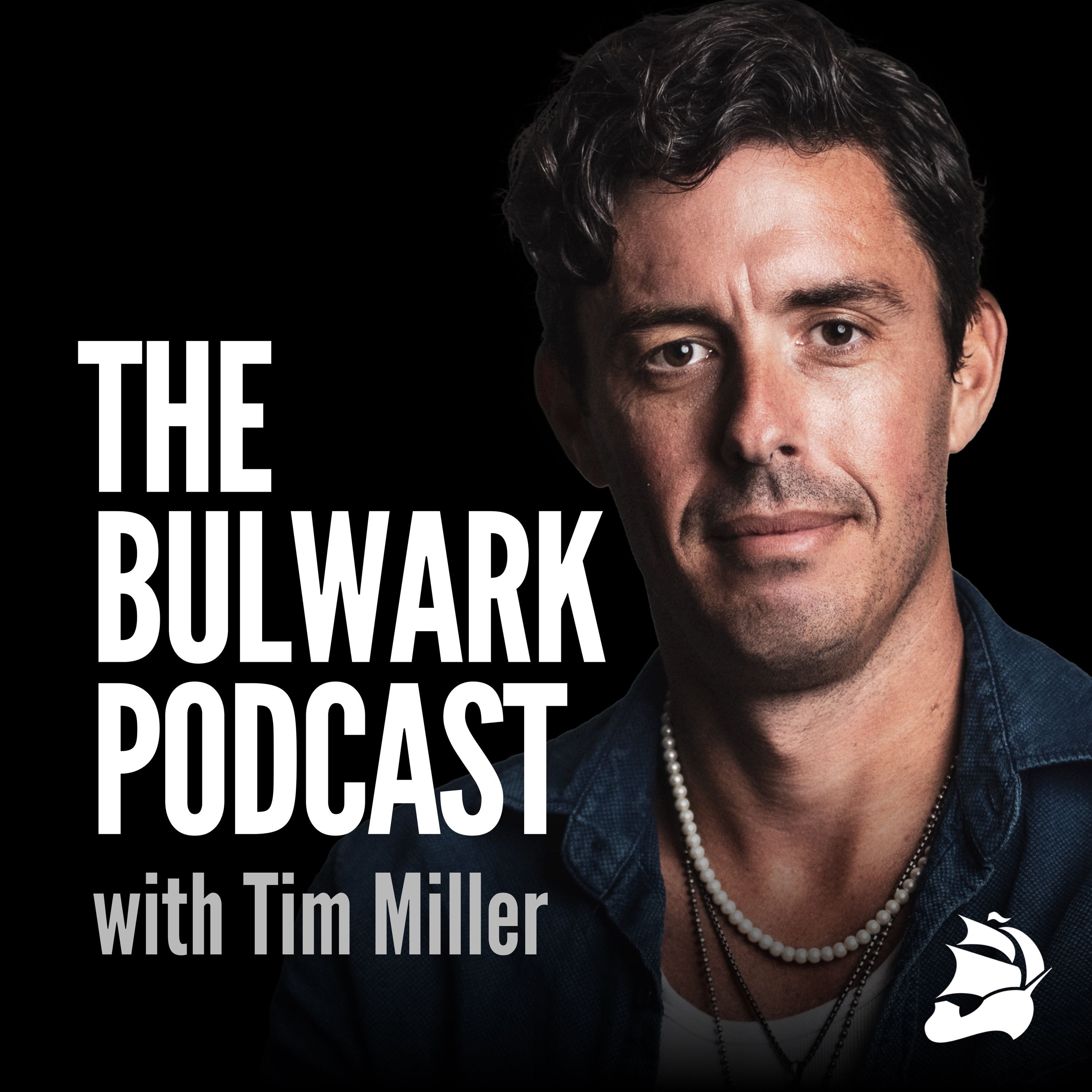
Overview of The Bulwark podcast episode
Tim Miller opens the episode with a forceful argument that the central issue connecting recent immigration stories, the attacks in Maine, and political abuses in the West Bank is unchecked state power without due process. He then speaks with New Yorker staff writer Jonathan Blitzer about his reporting on Fort Bliss’s Camp East Montana, an ICE detention tent camp in Texas, and how the Trump administration’s immigration crackdown is producing arrests, detention conditions, and deaths that Blitzer argues resemble internment and coercive state violence.
Core argument: due process and state violence
- Miller frames the week’s news around one principle: the state must not be allowed to use force against people without due process.
- He argues that:
- ICE traffic stops and shootings are not about public safety.
- The administration is normalizing treatment of immigrants, protesters, LGBTQ people, and other “undesirables” as people whose rights can be ignored.
- He connects this to:
- ICE killings in the U.S.
- Detention and harassment in the West Bank
- Broader authoritarian-style governance, including “for my friends everything, for my enemies the law” logic
Jonathan Blitzer on Camp East Montana at Fort Bliss
What the facility is
- Camp East Montana is a large tent detention camp built on Fort Bliss in El Paso.
- It is part of a broader expansion of immigration detention under Trump.
- Blitzer describes it as a facility where people are held in conditions that are:
- chaotic
- poorly supervised
- hard to monitor
- often inaccessible to families, lawyers, and even oversight officials
Conditions inside
- Reports from detainees describe:
- dust and poor air quality
- fetid water leaking into sleeping and dining areas
- broken communication systems
- lack of outdoor access and basic recreation
- inadequate medical care
- Detainees say they were often left without medications, including diabetes and asthma treatment.
A “black box”
- Blitzer says many detainees were effectively disappeared:
- not easily traceable through ICE locator systems
- difficult for families and lawyers to find
- Oversight was minimal, and some congressional access was blocked.
Ray’s story: legal status, routine check-ins, and sudden detention
- Blitzer centers the story on Ray, a Cuban man who had lived in the U.S. for decades.
- Ray:
- arrived in the U.S. in the 1990s
- was interned briefly at Guantánamo after arriving by raft
- served prison time for a past crime
- later lived legally under an ICE alternative-to-detention program
- worked, married, and raised a family in El Paso
- He had been checking in with ICE for years and believed he was doing things “the right way.”
- In 2025, he was called in for a routine appointment and arrested.
- At Camp East Montana:
- he was denied medication
- suffered serious symptoms
- was threatened with isolation
- ultimately accepted removal to Mexico because he feared dying there
Deaths, abuse, and ICE’s credibility crisis
- Blitzer details multiple deaths at the camp over a short period.
- One especially important case involved a Cuban detainee, Geraldo Llanes Campos:
- ICE initially claimed suicide
- the medical examiner later ruled the death a homicide
- witnesses described him being choked and beaten while begging for medication and saying he could not breathe
- Another detainee, Victor Manuel Diaz, also died in the facility under circumstances that remain deeply suspect.
- Blitzer says the facility’s secrecy and ICE’s shifting explanations make it hard to know the full truth, but the pattern is clear: extreme mistreatment used to pressure people into giving up their cases or self-deporting.
Cubans, deportation, and the Venezuela/Cuba contradiction
- A major theme in the interview is the administration’s treatment of Cubans and Venezuelans:
- Cubans are being sent to Mexico even though many have no status there and no ties to the country.
- Venezuelans with TPS are being stripped of protections even while the administration claims it is acting against repression.
- Blitzer argues this exposes the hypocrisy of U.S. policy:
- the government claims to defend freedom and democracy
- while using migration policy to punish the very people fleeing authoritarian conditions
- He notes the political irony that many affected Cubans are Republican or Trump voters.
How the detention machine works: contractors, incentives, and waste
- Blitzer also explains the contracting side of Camp East Montana:
- a little-known company, Acquisition Logistics, won a major federal contract despite having limited experience
- the facility depends on layers of subcontractors for security, food, and medical services
- He suggests the process reflects:
- cronyism
- rushed procurement
- poor oversight
- a system built around detention expansion rather than humane administration
- But he emphasizes that the moral issue is bigger than the waste:
- the real scandal is the deliberate creation of abusive conditions to force compliance.
Resistance, legal action, and where hope remains
- Despite the horror, Blitzer highlights some pushback:
- lawyers and civil-rights groups are filing habeas cases
- attorneys from other practice areas are stepping in to help
- ordinary people are reacting with outrage once they see what is happening
- He argues that public exposure matters because it provokes improvised resistance and legal intervention.
Main takeaways
- The episode’s central theme is due process: state power is being used in ways that bypass constitutional protections.
- Camp East Montana is portrayed as an internment-style detention site, with inadequate oversight and harsh, coercive conditions.
- Blitzer sees a pattern of state abuse across immigration enforcement, from traffic stops to detention to forced deportations.
- Cuba and Venezuela policy are tied to domestic immigration enforcement, revealing deep hypocrisy in the administration’s rhetoric about freedom.
- There is still resistance, especially from lawyers, advocates, and people who refuse to become numb.
Notable perspective
- Miller’s opening argument is that the public must not become numb to these abuses.
- Blitzer’s reporting shows how detention is being used not just to hold people, but to break them psychologically.
- Together, they argue that defending liberal democracy means defending the basic rule that no one should be deprived of liberty without due process.