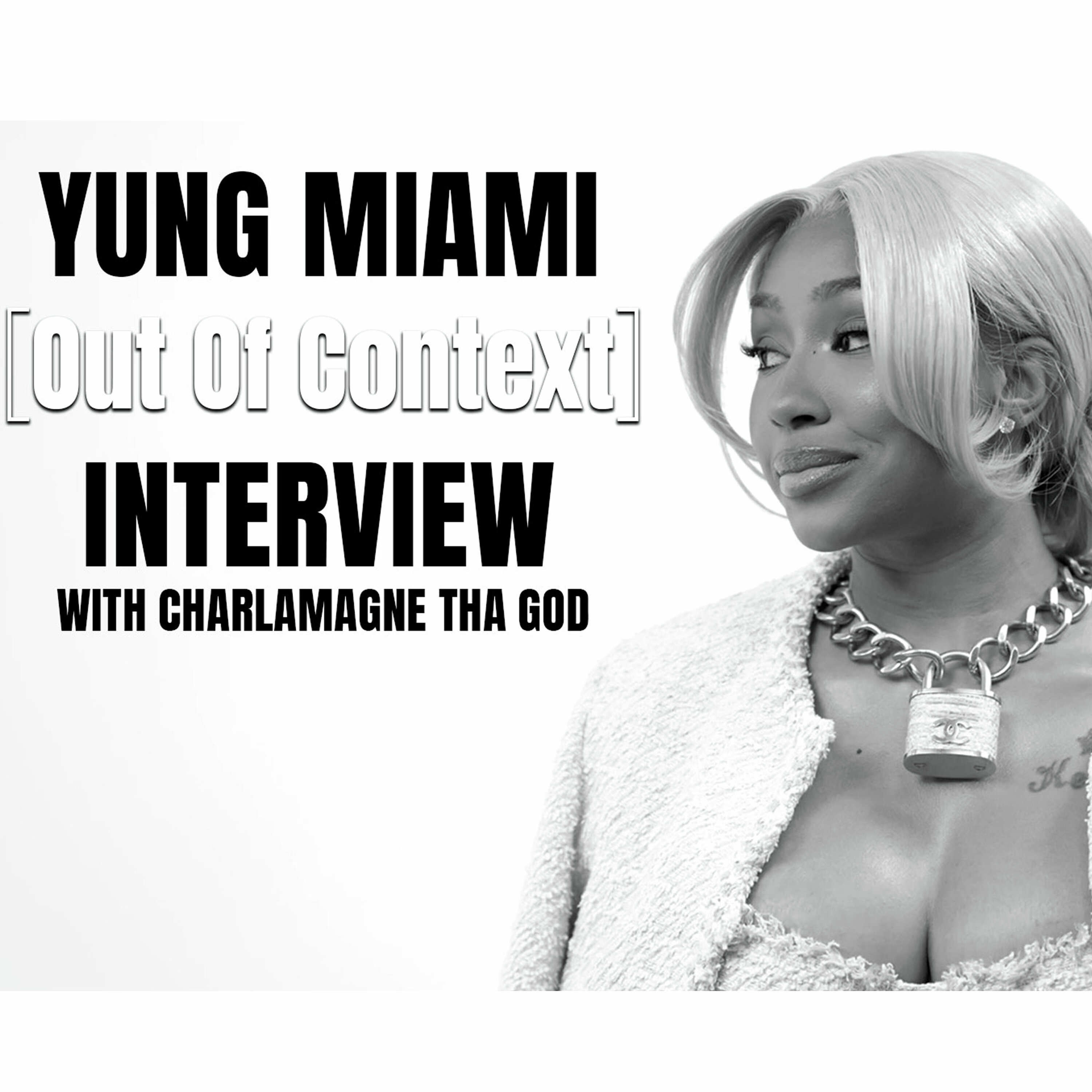
Overview of Out Of Context: Yung Miami
This episode is a long-form interview between Charlamagne Tha God and Yung Miami (Carisha) from the City Girls. They discuss Yung Miami’s transition to a solo era, her creative control and new album, the public fallout from relationships and controversies (including her connection to Diddy), grief and family responsibilities, trust and boundaries, and plans for the future. The conversation mixes career details (songs, features, label dynamics) with personal reflections on loyalty, exposure, trauma, and motherhood.
Key topics and main takeaways
- Solo era and creative control
- Yung Miami is embracing a new solo era: more creative control, a return to her Miami-bass roots, and plans to make music that feels authentic to her (examples: "Take Me to Chanel," "Newsflash," "Dade County").
- She wants commercial success (Billboard, Grammy, touring) but also control over narrative and releases.
- City Girls status
- The City Girls are on a season of separation, not a permanent breakup. Yung Miami and JT remain family; both are pursuing different lanes and may reunite later.
- Public controversy, relationships, and accountability
- Yung Miami defends her right to tell her story. She wrote a letter about her experience with Diddy because the relationship she knew felt different; she doesn’t believe she should be silent about her life.
- That stance, and other public comments, cost her deals, money, and changed how people in the industry treated her.
- Grief, trauma, and resilience
- She’s processed significant losses privately and publicly (including the father of her child). Grief has made her stronger and more intentional, though she admits she sometimes avoids addressing trauma directly.
- Trust and boundaries
- She now trusts very few people—“only God and my kids” fully—and has tightened boundaries around what she shares and how she shows up in public.
- Branding and media/overexposure
- Yung Miami believes artists today are overexposed by design; she regrets some publicity choices (e.g., certain podcast lines used for marketing) and is being more deliberate about what she posts and says.
- Family and parenting
- Raising a 12-year-old son influences how she operates; she’s mindful about what he sees online and how to explain adult mistakes to him.
Notable facts & projects mentioned
- Songs/projects referenced:
- "Freaky Tales" — a provocative single with explicit name-checks; intended as hip-hop bravado and homage to the genre’s past.
- "Take Me to Chanel," "Newsflash" — songs her son liked; she gauges some fans’ reactions through family feedback.
- "Dade County" — features Trina and Rick Ross; intended as a Miami tribute and to revive Miami’s local flavor.
- Intent to make more Miami-bass/club-oriented records like her earlier City Girls material.
- Collaborations & influences:
- Trina is cited as a mentor — giving career/industry advice and encouragement.
- She referenced the influence of Miami legends (Uncle Luke, Trina, DJ Nasty) and wants to continue that legacy.
- Label and release notes:
- She believes QC Music (Quality Control) didn’t always support the group’s projects the way they should have, citing single selection and pandemic-era timing as examples.
- Carisha, Please (podcast):
- Considering a return for season 3 but wants a better home/partner and a different structure that fits her life as an artist and mother.
Major personal themes & quotes
- Loyalty vs. liability: She identifies as loyal but acknowledges loyalty can become harmful when people pull away during crises.
- On trust: “I don’t trust nobody... probably only God and my kids.”
- On public voice: “I should be able to express myself. It’s my music. It’s my time to tell my story.”
- On growth and change: Believes people can evolve (cites Malcolm X’s autobiography and the NOI as an example of transformative growth).
- On public scrutiny: Being misunderstood forever is scarier than starting over.
Specific controversies and how she handled them
- Diddy relationship and letter:
- Yung Miami says the version of the man she knew appeared changed and that she wrote publicly to express her experience. She acknowledges backlash but maintains she can only speak to her personal experience.
- "Golden shower" / podcast moments:
- She admits some podcast lines were used for marketing and later regretted certain jokes that became viral and problematic. She insists some claims (like being “peed on”) are false.
- Consequences:
- She lost deals, money, and professional relationships because of public associations and reactions.
How this has impacted her professionally and personally
- Professionally: Loss of endorsements/deals, fractured label relationships at points, but gaining autonomy in her solo career.
- Personally: Hardened trust, more intentional about boundaries and what she shares; still evolving spiritually and exploring entrepreneurship beyond music.
- Parenting: She’s protective of her son, monitors his social exposure, and wants to model accountability while guiding him away from repeating her mistakes.
What to expect next (for fans and industry)
- A solo album with a mix of classic Young Miami energy and an evolved sound; goals include chart success, touring, and awards.
- More Miami-centric, bass-influenced tracks and collaborations that honor Dade County’s legacy (Trina, Rick Ross).
- Possible return of Carisha, Please (season 3) with a refined format and clearer creative control.
- City Girls are on hiatus/seasonal separation but not definitively done.
Actionable takeaways (for listeners)
- For fans: Expect new music that revisits Miami’s sound and themes; approach the solo era as a reintroduction rather than a rejection of the City Girls legacy.
- For media/industry: Recognize the consequences of overexposure and rushed marketing; artists deserve space to evolve and control their narrative.
- For creators/people under scrutiny: Consider the trade-offs of public candor—short-term virality can cost long-term brand & deals; create boundaries, and prioritize mental health and accountability.
Memorable moments
- Honest admission about mistakes in publicity and marketing that backfired.
- Raw talk about grief, motherhood, and how loss shaped her priorities.
- Clear intention to return to the music that “feels like Miami” and to take control of her story.
Podcast credits: Interviewer Charlamagne Tha God; Yung Miami (Carisha) as guest. Produced by The Black Effect Podcast Network / iHeartPodcasts.