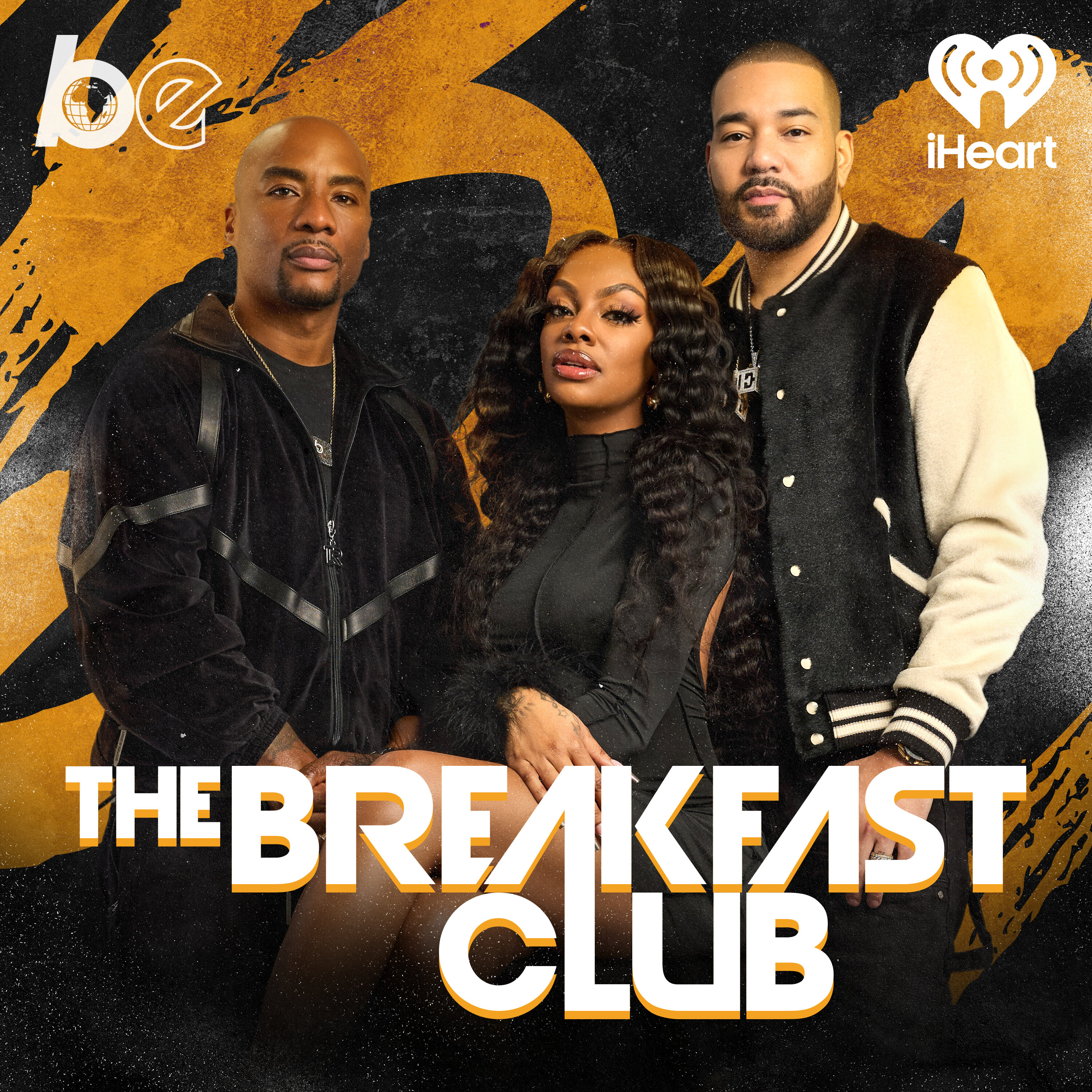
Overview of INTERVIEW: Cody Rhodes Talks WrestleMania 42, 'STREET FIGHTER,' & Return To WWE After AEW Departure +More
This episode of The Breakfast Club features Cody Rhodes in a wide-ranging interview covering his wrestling origin story, his return to WWE after working the indies and New Japan, his upcoming WrestleMania 42 match, his role in the new Street Fighter film, family life, and how he thinks about career longevity and politics. Cody mixes behind‑the‑scenes anecdotes with candid views on fandom, creative control, and the personal choices that shaped his path.
Key topics covered
- How Cody first fell in love with wrestling (the crowd reaction to a simple arm drag)
- Early career challenges and living in the shadow of his father (Dusty Rhodes) and brother (Dustin/Goldust)
- Walking away from WWE, sharpening his craft on the indies and in New Japan, then returning
- WrestleMania 42 preview (location, marquee matches, what fans should expect)
- Casting story and experience filming Street Fighter (role: Guile)
- Family life: wife Brandy’s role, parenting, balancing work and home, postpartum support
- Thoughts on aging, future plans, and possible transition from full-time wrestling (mentions a rough five-year horizon)
- Views on wrestlers expressing political opinions and public narratives about departures
- Memorable in‑ring mishaps and backstage stories (Arn Anderson incidents, etc.)
Main takeaways
- Cody sees himself in his prime now and feels WWE’s current roster is experienced — a mix of veteran main-eventers and young talent.
- His return to WWE was driven by finding his identity (on the indies/NJPW) and by personal/family decisions; his wife played a key, selfless role in smoothing that transition.
- WrestleMania 42 is positioned as a two‑night showcase with major, emotionally real matches—Cody vs. Randy Orton and Roman Reigns vs. CM Punk among the top draws.
- Hollywood is now part of his storytelling platform — the Street Fighter role (Guile) represents the kind of narrative work he intends to pursue alongside wrestling.
- He’s conscious of physical toll and family responsibilities; he’s thinking strategically about when to scale back, estimating a rough five-year window but remaining flexible.
- Cody is wary of wrestlers mixing politics and their in-ring storytelling, saying it often becomes a distraction — though he makes a distinction for moral causes that merit attention.
Details: WrestleMania 42
What he previewed
- Dates/venue: April 18–19 at Allegiant Stadium (Las Vegas).
- Main matches discussed:
- Cody Rhodes vs. Randy Orton — framed as deeply personal, 20 years of real equity and mentorship/mentor‑turned‑opponent stakes.
- Roman Reigns vs. CM Punk — highlighted as a major main-event draw.
- Expectations: Big, live‑crowd storytelling; the event demonstrates both the veteran leadership and the new generation reloading WWE’s roster.
How scripting/working live works
- Cody describes modern promos more like a format than rigid scripts for seasoned performers — veterans often improvise "in the pockets" (3–4 fallback beats) and collaborate in real time.
- He praises people like Paul Heyman for narrative craft and highlights the audience’s role in shaping the performance.
Details: Street Fighter (film)
- Cody was unexpectedly offered the role of Guile after meeting with producers at Legendary; the studio head personally endorsed him.
- Co‑stars referenced include the actors playing Ryu, Ken, Chun-Li, and performers such as Orville Peck (Vega) and Andrew Schultz — Cody says the filmmakers gave them room to find their characters.
- Costume and physical transformation (flat-top, fatigues, tattoo) made him feel aligned with the character.
- Cody plans to pursue more film work in the coming years as another storytelling avenue.
Career arc — return to WWE and AEW departure context
- Getting into wrestling was easy for him (family name), but living up to Dusty Rhodes’ legacy was the hard part.
- Left WWE early, built credibility on the indie scene, in New Japan, and via an alternative promotion he helped start; that growth changed how WWE treated him on return.
- His wife Brandy’s decision to remain quiet about certain departure details was a strategic, selfless move that helped control narrative and enable his return.
- He emphasizes that fan narratives form quickly when people don’t get the full story.
Family, health and future planning
- Family: wife Brandy (trained at NXT; became a ring announcer) and two young daughters (ages mentioned: four and seven months).
- Parenting approach: he brings family into the work environment when possible and stresses the importance of balancing, not competing, with his wife’s career.
- On retirement/transition: John Cena advised him to be honest about when it’s time to wind down; Cody estimates a “paper” five-year window but remains open depending on health and schedule.
- Physical toll: acknowledges the industry’s historical grind but notes modern WWE schedule is healthier; still vigilantly monitoring his body for signs it’s time to step back.
Anecdotes & memorable moments
- Early inspiration: remembering the crowd reaction to a Brad Armstrong arm drag as the moment he thought, “I can do this.”
- Arn Anderson mishaps: Arn fell into pyros/production areas during routine spots—funny, chaotic backstage memories that “went left.”
- Shopping spree: after being removed from a WrestleMania match in the past, Cody bought a new ring (retail therapy at Tiffany’s/Bellagio) — a small personal victory ahead of later redemption.
- Brother Dustin (Goldust) remains a beloved influence; Cody admires his longevity and evolution into family life and dog‑show antics.
Notable quotes / soundbites
- “I feel like I’m in my prime.”
- “Wrestling is always best when it’s real.”
- On scripting: “You got to have three or four things in the pockets because if they go left…”
- On politics: “I would probably classify it as a terrible idea” for wrestlers to mix political views and their onscreen narratives — with caveats for moral causes.
- On his wife’s role: her selflessness in not talking about their departure “changed my life.”
Recommendations / what to watch next
- WrestleMania 42 — April 18–19 at Allegiant Stadium; streams live via ESPN platforms (first hour broadcast on ESPN2/ESPN per interview).
- Watch for upcoming promotional material and casting announcements for the Street Fighter film (Cody’s Guile role).
- If you want more context on Cody’s perspective on career development, watch segments covering his indie/New Japan run and his AEW era return-to-WWE arc.
If you want a super-condensed TL;DR: Cody Rhodes feels in his prime, is preparing for a deeply personal WrestleMania match with Randy Orton, has landed the role of Guile in the Street Fighter movie after a surprise studio meeting, credits his wife’s sacrifices in his return to WWE, and is thinking strategically about a gradual transition from full-time wrestling over the next few years.