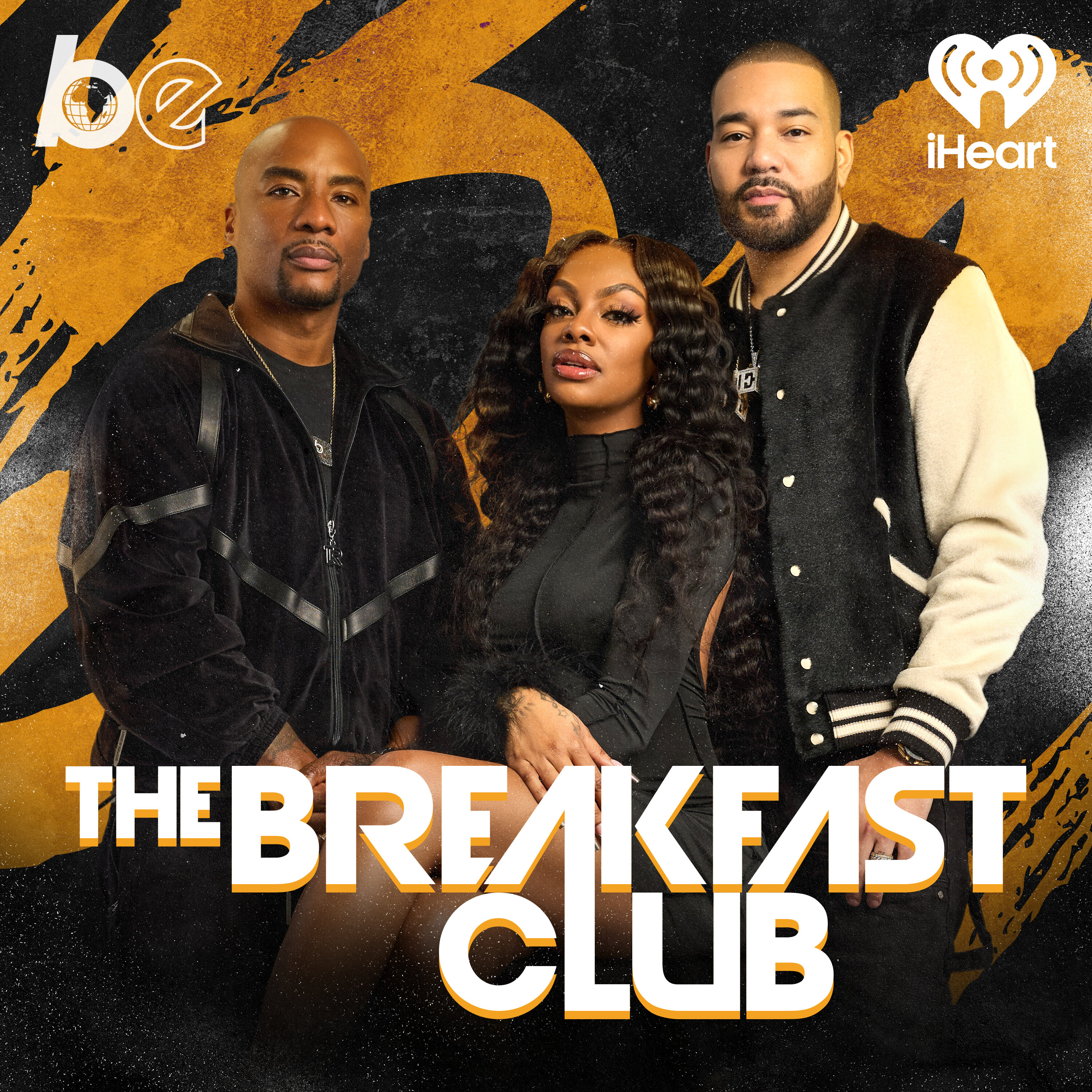
Overview of The Breakfast Club Interview with Marlon Wayans
Marlon Wayans joins The Breakfast Club for a wide-ranging, high-energy conversation centered on the return of Scary Movie, the power of the Wayans family legacy, and his views on where comedy should draw the line. He talks candidly about reuniting with his brothers, honoring his late father’s wish, why he believes audiences are ready for a big laugh again, and why he thinks some modern comedy controversies — especially live roasts — go too far. The interview also touches on Dave Chappelle, Aries Spears, Kevin Hart, Diddy, 50 Cent, and Marlon’s personal growth, faith, and family life.
Scary Movie Returns: Why Marlon Brought the Franchise Back
A family-driven comeback
- Marlon says the return of Scary Movie was inspired by a promise he made to his dying father, who urged him and his brothers to work together again.
- He frames the project as both a tribute to his father and a chance to revive a comedy style he feels the culture has been missing.
- He believes the world needs “a good laugh” and says the film is designed to connect generations.
Rebooting, not continuing
- He describes the new film as a reset rather than a direct continuation.
- The goal, he says, is to “start from scratch” and rebuild the franchise with a fresh approach.
- He’s confident the new version will feel more aligned with the original Wayans humor.
The Wayans legacy
- Marlon says the film includes multiple members of the Wayans family, joking that there are “12 Wayanses” in the movie.
- He sees the project as a generational, cultural event: older fans who grew up on Scary Movie and In Living Color can now bring younger viewers into the humor.
Comedy, Controversy, and the Boundaries of Humor
“The juice isn’t worth the squeeze”
- Marlon repeatedly uses this phrase to describe jokes that may get a reaction but are ultimately too harmful or distracting.
- He argues that comedy should be offensive only if it is genuinely funny — not just shocking.
His critique of live roasts
- He says the recent backlash around live roasts proves that some material needs editing before release.
- His main point: live comedy leaves no room to cut jokes that go too far, which can damage the whole project.
- He believes if roasts were filmed and then edited, producers could remove material that crosses the line.
Audience sensitivity vs. comedian responsibility
- Marlon pushes back on the idea that audiences are overly sensitive.
- Instead, he says comedians need to be more thoughtful and intentional.
- He stresses that a joke can be edgy, but it should not simply punch down or leave the audience feeling bad.
Marlon on Other Comedians and Public Feuds
Aries Spears
- Marlon says he has no personal beef with Aries Spears, but he took issue with Aries discussing Marlon’s money/value publicly.
- He feels it’s inappropriate for another Black comedian to weigh in on someone else’s business on a public platform.
- He frames it as a matter of respect, not personal hatred.
Kevin Hart, Diddy, and public commentary
- Marlon also uses the conversation to reflect on how public figures get judged through soundbites and headlines.
- On the Diddy-related discussion, he largely avoids diving into details and says he doesn’t want to engage with that energy.
- He emphasizes peace and says he’s not interested in beef with anyone.
Dave Chappelle
- Marlon speaks warmly about Dave Chappelle, calling him a friend and a brilliant comedian.
- He says he understands Dave’s intention even when people disagree with the jokes.
- He also notes that Chappelle came to see Marlon’s set about his child’s transition and gave him helpful notes.
- Marlon’s core message: people can disagree politically or socially and still be friends.
Marlon’s Personal Growth, Faith, and Family Life
A more spiritual season
- Marlon says he has been reading the Bible and leaning more into his faith.
- He describes this as a period of protection, reflection, and leadership for his family.
- Since his father passed, he feels responsible for carrying the family’s spiritual and emotional baton.
His son’s transition and his comedy
- One of the most emotional parts of the interview is Marlon discussing his child’s transition from female to male.
- He says his stand-up explores the five stages of grief:
- denial
- anger
- bargaining
- depression
- acceptance
- He explains that the special is ultimately about love, healing, and unconditional acceptance.
Why the material matters to him
- Marlon says he wants his audience to experience the full journey, not just the provocative beginning.
- He believes the payoff is in the deeper emotional truth at the end.
- He says people who only react to the early, more uncomfortable material miss the point of the set.
Other Notable Topics and Pop Culture References
White Chicks 2
- Marlon says fans constantly ask about a sequel to White Chicks.
- He hints that if the new Scary Movie succeeds, White Chicks 2 could be next.
Kai Cenat and younger audiences
- He mentions working with Kai Cenat and younger creators, saying they were surprised by how naturally funny he is outside of movies.
- He seems energized by reaching newer audiences and being seen as more than just a film comedian.
Keke Palmer
- Marlon says he’s currently working on another project with Keke Palmer that he wrote and produced.
Key Takeaways
- Marlon Wayans sees Scary Movie as both a comeback and a family mission.
- He believes comedy should be fearless, but not careless.
- He strongly opposes jokes that rely on tragedy or shock without real payoff.
- He values friendship across differences, especially when it comes to comedians like Dave Chappelle.
- At this stage in his life, he’s focused on faith, growth, family, and making work that heals as much as it entertains.
Bottom Line
This interview shows Marlon Wayans in a reflective but still highly comedic mode: nostalgic about the past, protective of his family’s legacy, and deeply committed to using comedy as a tool for both laughter and emotional truth. The conversation is chaotic at times, but its core message is clear — Marlon wants to bring back big, bold comedy without losing the humanity underneath it.