Overview of Day 80: Cities of Refuge (2026)
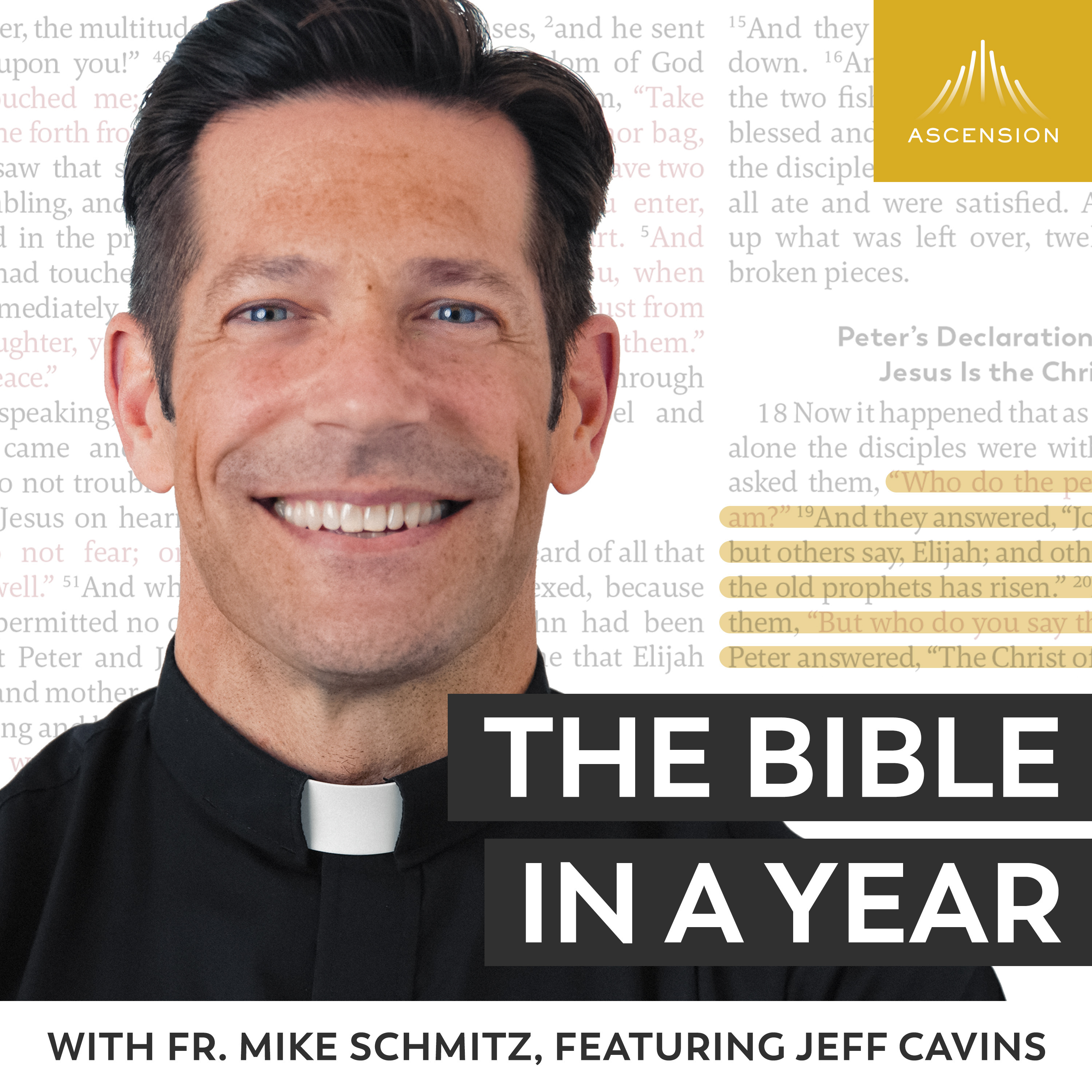
Father Mike Schmitz (Ascension) concludes the period of the desert wanderings and the books of Numbers and Deuteronomy on Day 80 of the Bible in a Year podcast. Readings: Numbers 35–36 (cities for the Levites; cities of refuge; laws on murder, manslaughter, and inheritance) and Deuteronomy 34 (Moses’ view of the Promised Land, death, burial, and legacy). Psalm 121 (A Song of Ascents) is prayed. Father Mike reflects on the practical wisdom of these laws, the communal shape of belonging and inheritance, and encourages listeners in the ongoing journey through Scripture.
Scripture passages covered
- Numbers 35: Allocation of 48 Levite cities (with pasture lands); instructions for six cities of refuge.
- Numbers 35 (continued): Distinctions between murder and accidental killing; duties of the avenger of blood; protections for manslayers; rules on witnesses and ransom; land defilement by blood.
- Numbers 36: The daughters of Zelophehad — inheritance clarified so land remains in the tribe (daughters may marry within their tribe).
- Deuteronomy 34: Moses views Canaan from Mount Nebo, dies at 120, is buried by God; Israel mourns 30 days; Joshua succeeds; Moses described as unique among prophets.
- Psalm 121: Assurance of God’s protection and guardianship.
Key points and explanations
- Levites and land: Levites receive 48 cities (including 6 cities of refuge) and surrounding pasture because they receive no tribal territory; pastoral/functional provision rather than a territorial inheritance.
- Cities of refuge: Six cities (three east of the Jordan, three in Canaan) are safe havens for those who kill unintentionally—protecting them from immediate vengeance and ensuring a fair community judgment.
- Murder vs manslaughter: The law attempts to distinguish intent (lying in wait, use of deadly instruments) from accidental killing. Punishment differs: intentional murder is capital; accidental manslaughter grants refuge and trial.
- Legal safeguards: Capital conviction requires more than one witness; no ransom accepted for a guilty murderer or to release a manslayer before the high priest’s death—emphasis on justice and communal purity.
- Inheritance solution (Zelophehad’s daughters): Daughters inherit, but must marry within their father’s tribe to prevent transfer of land between tribes — a compromise balancing individual rights and tribal continuity.
- Moses’ death and legacy: Moses sees the Promised Land but is not permitted to enter; he dies at full vigor (120), is buried by God, and remains unparalleled as a prophet who knew God “face to face.”
- Psalm 121 theme: God is the vigilant keeper who protects all comings and goings “from this time forth and forevermore.”
Main takeaways and insights
- Practical wisdom: Ancient laws address concrete social problems (mob justice, proving intent, preserving tribal boundaries) with procedures meant to secure fairness, community order, and the sanctity of the land.
- Justice vs vengeance: The cities of refuge institutionalize justice over private revenge, showing God’s care for both victims and accused.
- Communal identity and responsibility: Inheritance rules underline that people belong to families, tribes, and communities; our choices affect communal goods and obligations.
- Pastoral consolation: Moses’ death marks an end and a handing-over (to Joshua), reminding listeners of leadership transition and God’s faithfulness across generations.
- Spiritual encouragement: Psalm 121 and Father Mike’s prayer emphasize trust in God’s care throughout the journey—even when listeners have missed days of the reading plan.
Notable quotes
- “You shall not defile the land in which you live… for blood pollutes the land, and no expiation can be made for the land, for the blood that is shed in it, except by the blood of him who shed it.”
- “The Lord is your keeper… He will keep your going out and your coming in, from this time forth and forevermore.” (Psalm 121)
- Mother Teresa paraphrase cited by Father Mike: one reason we lack peace is that “we have forgotten that we belong to each other.”
Practical applications / action items
- Reflect on justice vs vengeance: consider how modern systems (and personal responses) seek fair resolution rather than retributive vengeance.
- Community membership: think about obligations and responsibilities you hold to family, church, and community—how decisions affect others.
- Pray and persist: Father Mike invites continued daily Scripture engagement, prayer for each other, and mutual support in the Bible-in-a-Year journey.
- Note upcoming milestone: Day 99 is the first “messianic checkpoint” — seven days reading the Gospel of John.
- Support link (if moved to contribute): ascensionpress.com/support
Closing
Father Mike closes with prayer and encouragement: gratitude for the journey so far (day 80), encouragement to keep returning to Scripture when we fall behind, and a reminder that the Bible-in-a-Year community prays for one another.