Overview of Day 75: The Keeping of Vows (2026)
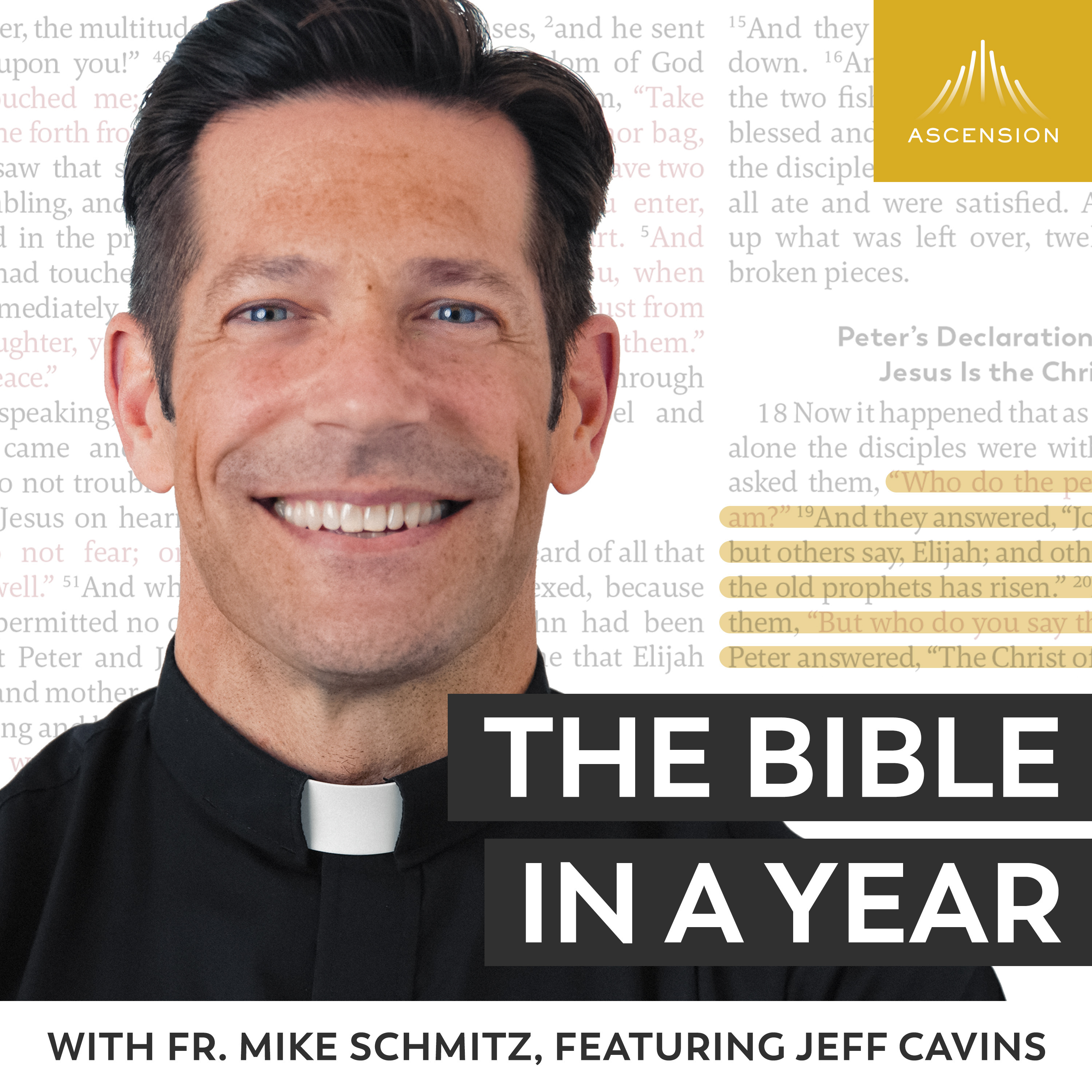
Father Mike Schmitz (Ascension) leads Day 75 of the Bible in a Year podcast, covering Numbers 29–30, Deuteronomy 29, and Psalm 113 (RSV-2CE, Great Adventure Bible). He marks the milestone of day 75, summarizes the readings, explains their theological and pastoral significance, and closes with prayer—highlighting feasts, the seriousness of vows, covenant renewal, and identity as God’s people.
Readings (short summaries)
Numbers 29
- Prescribes offerings for three festival observances:
- Feast of Trumpets (1st day of 7th month): holy convocation, no work, specified burnt offerings and cereal offerings.
- Day of Atonement (10th day): holy convocation, afflict yourselves (sole day commanded to afflict), specified sacrifices for atonement.
- Feast of Booths (15th–22nd day): seven-day feast of abundance with daily sacrificial schedules (decreasing number of bulls each day) and an eighth-day solemn assembly. These are in addition to votive and freewill offerings.
Numbers 30
- Rules about vows:
- A vow to the Lord is binding and must be kept.
- If a woman vows while under her father’s roof or under her husband’s authority, her father or husband may nullify the vow if they oppose it on the day they hear it; silence generally confirms it.
- Vows of widows or divorced women stand.
- These statutes function as social/legal checks on vows in a real (broken) social context.
Deuteronomy 29
- Moses renews the covenant in Moab before entry into the Promised Land.
- Reminds Israel of God’s acts (Egypt, wilderness provision, victories over Sihon and Og) and warns against idolatry and covenant unfaithfulness.
- Cautions that abandoning the covenant brings curses and national ruin; “the secret things belong to the Lord, but the things revealed belong to us” (responsibility to obey what is revealed).
Psalm 113
- A short hymn praising God’s exaltation and mercy:
- God is high above nations yet lifts the poor and needy, exalts the lowly, and blesses the barren with children.
- Ends with a call to praise the Lord.
Key themes and insights
- Feasts and abundance: The Feast of Booths is a celebration of God’s provision—Israel gives sacrificially out of abundance. The ritual detail emphasizes communal thanksgiving.
- Atonement and repentance: The Day of Atonement’s instruction to “afflict yourselves” signals corporate sorrow and a ritual channel for forgiveness.
- Vows are serious: A vow to God is binding, not merely a casual resolution. Release requires explicit nullification; otherwise the vow stands.
- Social realities shape law: Many laws address life “in a broken world”—they limit abuse, regulate relationships, and protect the vulnerable rather than describe an ideal state.
- Covenant fidelity and identity: Deuteronomy stresses that Israel must not imitate surrounding nations; their distinctiveness flows from belonging to God, not from being “special” in a worldly way.
- Pastoral application from Father Mike: Don’t make rash vows. Take promises to God seriously. Give generously from abundance. Stay faithful to Scripture and the covenant.
Notable quote:
- “You can’t be like everyone else, not because you’re special, but because you belong to him.”
Practical takeaways / action items
- If you make promises to God, treat them as serious commitments; seek counsel or formal release if you must be excused.
- Observe a regular practice of repentance (the Day of Atonement model): intentional reflection on sin, sorrow, and return to God.
- Give intentionally from abundance—not because God needs your gifts, but as an act of grateful worship.
- Remember laws often respond to brokenness—use them to understand limits God places to protect relationships, not as an endorsement of injustice.
- Reinforce identity in Christ: resist cultural pressure simply to “fit in”; live as God’s people.
- Pray for perseverance in Scripture reading and for the Holy Spirit to shape your heart.
Pastoral closing
Father Mike prays for courage, perseverance, and the Holy Spirit’s guidance as listeners continue the Bible-in-a-year journey. He encourages mutual prayer and closes with a blessing.