Overview of Day 36: Manna from Heaven (2026)
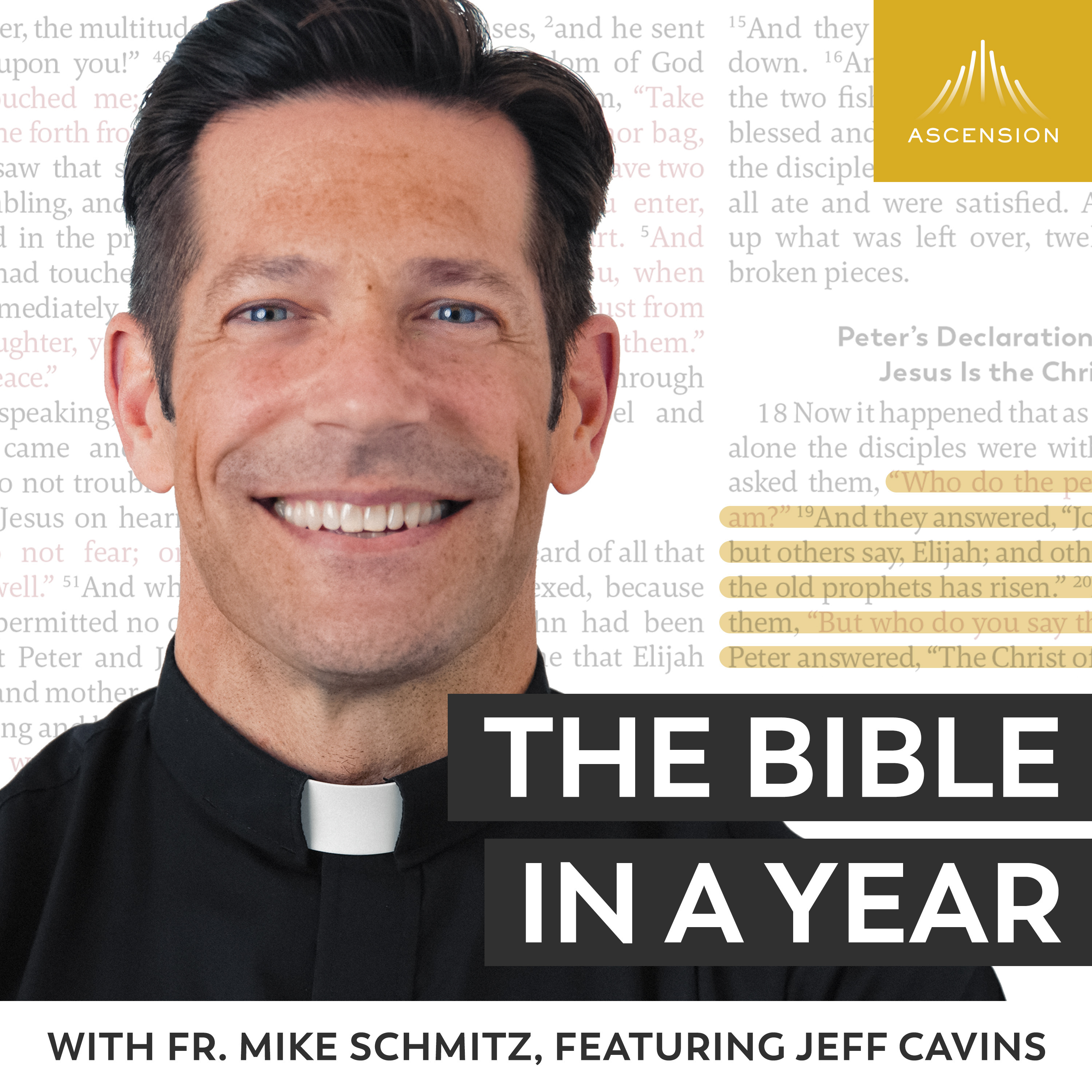
Father Mike Schmitz (Ascension) reads and reflects on Exodus 15–16, Leviticus 11, and Psalm 71. The episode includes the song of Moses and Miriam, Israel’s journey and complaints in the wilderness, God’s provision of manna and quail (with instructions about daily gathering and Sabbath), the law distinguishing clean and unclean foods, and Psalm 71’s prayer for lifelong protection. Father Mike draws a pastoral application: God not only provides but trains his people to trust him—especially through the Sabbath.
Readings covered
- Exodus 15 — Song of Moses and Miriam celebrating deliverance at the Red Sea.
- Exodus 15–16 — Journey from the Red Sea through Marah and Elim; the people murmur; God provides quail and manna; instructions about gathering manna, the Sabbath, and a jar of manna saved as a sign.
- Leviticus 11 — Laws of clean and unclean animals (land, sea, birds, insects) and rules about ritual uncleanness from carcasses; call to holiness: “Be holy, for I am holy.”
- Psalm 71 — A lifelong prayer for refuge, deliverance, praise, and continued proclamation of God’s goodness into old age.
Key passages & short summaries
- Exodus 15: Song of praise for God’s victory over Pharaoh’s army at the Red Sea; celebrates God as warrior, redeemer, and sovereign.
- Exodus 15–16:
- Marah: bitter water made sweet by God; a test and statute given.
- Wilderness of Sin: people murmur about lack of food; God promises bread from heaven.
- Manna and quail: quail in the evening, fine flake-like “manna” in the morning; gather daily (an omer per person). If stored, manna spoiled—except on the sixth day when double is gathered for the Sabbath.
- Sabbath lesson: God provides twice on the sixth day so Israel can rest on the seventh; an omer preserved in a jar as a memorial.
- Leviticus 11: Dietary distinctions—land animals must both chew cud and have cloven hooves; fish must have fins and scales; lists of forbidden birds; allowed insects (certain locusts, crickets); rules about ritual uncleanness and purification. Ends with call to be holy.
- Psalm 71: A plea for refuge and deliverance, testimony of lifelong reliance on God, and a vow to praise and proclaim God’s deeds even into old age.
Main themes & takeaways
- God provides materially and miraculously (manna, quail, sweetened water) but also providentially trains his people.
- Provision and command go together: God’s laws (including Sabbath) are formative—meant to teach trust, holiness, and reliance on Him.
- The Sabbath functions as both rest and a trusting discipline: obeying it is evidence of faith in God’s ongoing provision.
- Murmuring against leaders often reflects deeper rebellion against God’s purposes; moral responsibility includes trusting God amid hardship.
- Holiness is communal and practical (dietary and ritual distinctions function to mark and form the people).
- Prayer and mutual support are necessary—Father Mike emphasizes communal prayer and reliance on God’s grace.
Notable quotes & insights (from Father Mike)
- “God is not just providing for his people. He’s training them.”
- “The Sabbath…is a day of trust.”
- Murmurs are ultimately “not against us, but against the Lord” — a reminder that complaints reveal faith issues.
- “We need each other. None of us can do this on our own.”
Practical applications / action items
- Reflect: Where in your life are you murmuring or doubting God’s provision?
- Practice trust: Identify one habitual worry and intentionally “gather” only what today requires—trust God for tomorrow.
- Observe Sabbath (or a regular day of rest) as a spiritual discipline that trains trust and dependence.
- Read Psalm 71 and incorporate lines of praise/petition into personal prayer, especially for lifelong reliance on God.
- Remember communal prayer—pray for others in this community and ask them to pray for you.
Quick factual notes
- Manna described as like coriander seed, white, tasting like wafers made with honey.
- An omer = one-tenth of an ephah.
- Israelites ate manna for 40 years until they reached Canaan’s border.
- Levitical laws pair ritual practice with moral formation: “Be holy, for I am holy.”
Closing
Father Mike concludes with a brief prayer and encouragement to continue the journey together—both in Scripture and in communal prayer—reminding listeners he’s praying for them and asking them to pray for him.