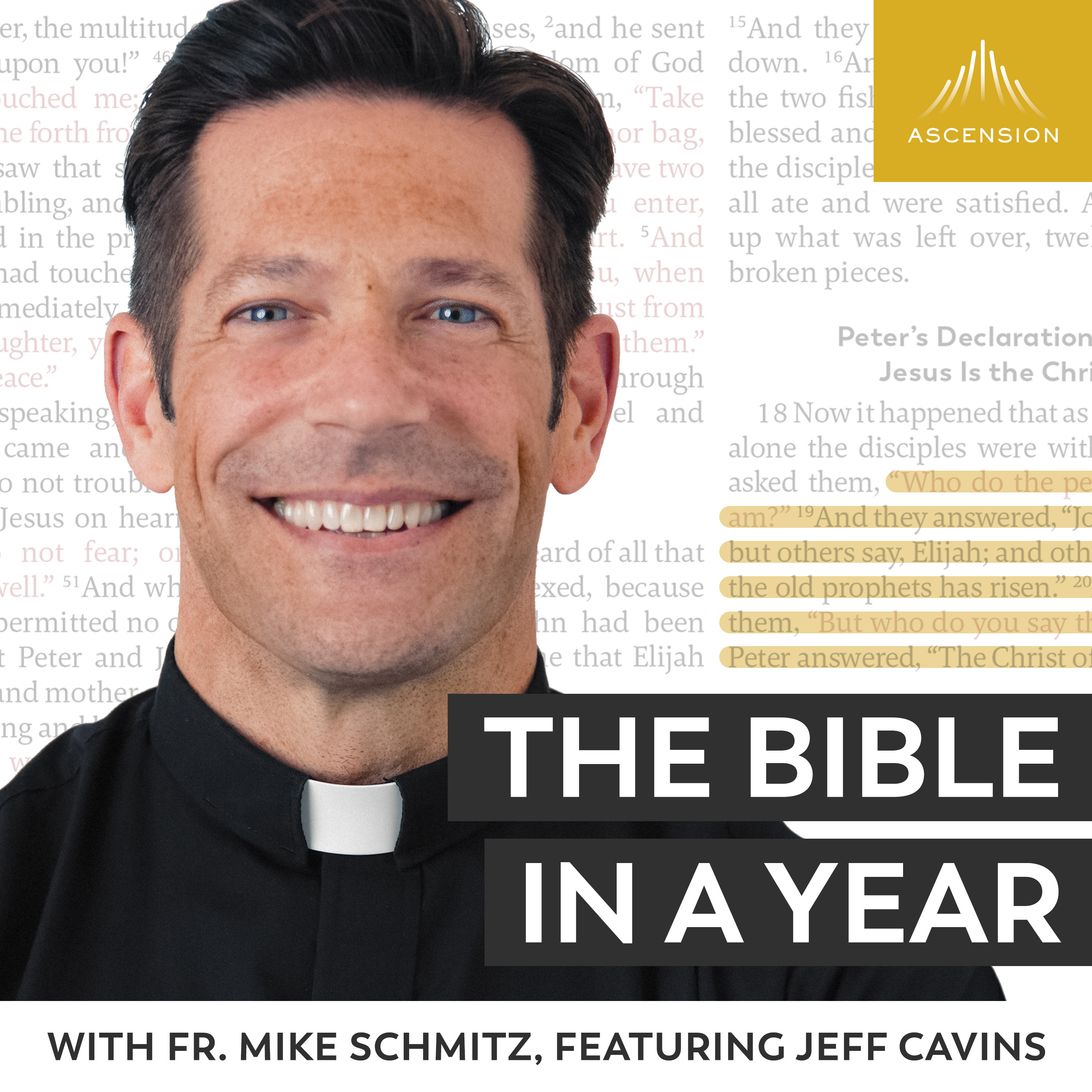
Overview of Day 298: The Gift of Life (2026)
In this episode of Bible in a Year, Father Mike Schmitz walks through 2 Maccabees 1, Sirach 40–41, and Proverbs 24:1–7, highlighting themes of purification, gratitude, wisdom, death, and the gift of each day. The episode opens the final stretch of the Old Testament readings with a strong emphasis on remembering God’s faithfulness, choosing the best among many good things, and recognizing that life itself is a gift from the Lord.
Scripture Readings Covered
2 Maccabees 1
- A letter to Jewish communities in Egypt encourages them to:
- remember God’s covenant with Abraham, Isaac, and Jacob,
- worship with a willing heart,
- and celebrate the feast of the purification of the temple.
- The chapter also retells a dramatic account of Nehemiah discovering the sacred fire:
- priests had hidden altar fire during exile,
- it was later rediscovered as a liquid,
- and when poured on the sacrifice, it ignited miraculously.
- This becomes a sign of God’s power, holiness, and faithfulness in restoring worship.
Sirach 40–41
- Sirach reflects on:
- the burden and difficulty of human life,
- the inevitability of death,
- and the importance of a good name, wisdom, and upright living.
- It compares many good things and repeatedly shows that some things are better than others:
- wisdom over wealth,
- a blameless wife over status or possessions,
- almsgiving over material security,
- and the fear of the Lord over all earthly advantages.
- Chapter 41 stresses:
- the reality of death,
- the fate of the ungodly,
- and the lasting value of reputation, instruction, and humility.
Proverbs 24:1–7
- The passage warns against envy of evil people.
- It teaches that:
- wisdom builds a house,
- knowledge fills it with treasure,
- and wise counsel leads to victory.
- A fool is contrasted with the wise person, especially in public and legal settings.
Key Themes and Takeaways
1. God restores and purifies
- The story of the sacred fire in 2 Maccabees reinforces that God can restore what seems lost.
- Purification of the temple points to God’s ongoing work in renewing his people.
2. Life is a gift, not a possession
- Father Mike strongly emphasizes that every day of life is undeserved grace.
- Even in grief and loss, the deeper truth is not only that something is taken, but that something precious was first given.
3. Choose the best among many goods
- Sirach repeatedly contrasts good things with better things.
- The message: don’t let secondary goods crowd out the highest good—wisdom, holiness, reverence for God, and faithful relationships.
4. Death should make us grateful and sober
- Sirach 41 invites reflection on mortality without panic.
- Whether life is short or long, it ultimately belongs to God.
5. Wisdom is the foundation of stability
- Proverbs reinforces that wisdom, understanding, and counsel are stronger than violence, power, or envy.
Father Mike’s Reflection
Life, loss, and gratitude
- Father Mike reflects pastorally on those listening in grief or at the bedside of someone dying.
- His central insight:
- we often experience death as something stolen,
- but we must also recognize that life itself was a gift freely given by God.
- He encourages listeners to cherish people now:
- spouses,
- children,
- friends,
- and all relationships as unearned gifts.
A prayerful posture toward death
- The episode ends with a reminder that we can echo Jesus’ words:
- “Into your hands I commend my spirit.”
- This is presented as a faithful way to receive both life and death from God.
Notable Spiritual Emphasis
- Remember God’s covenant
- Celebrate purification and restoration
- Value wisdom over riches
- Live with awareness of mortality
- Treat every day as a gift
- Trust God with life’s beginning and end
Closing Prayer and Final Note
Father Mike closes by asking God to:
- help listeners walk in wisdom,
- see clearly,
- choose rightly,
- and number their days so they may gain a wise heart.
The episode ends with encouragement, prayer for those in grief, and a reminder that the community is walking through Scripture together.