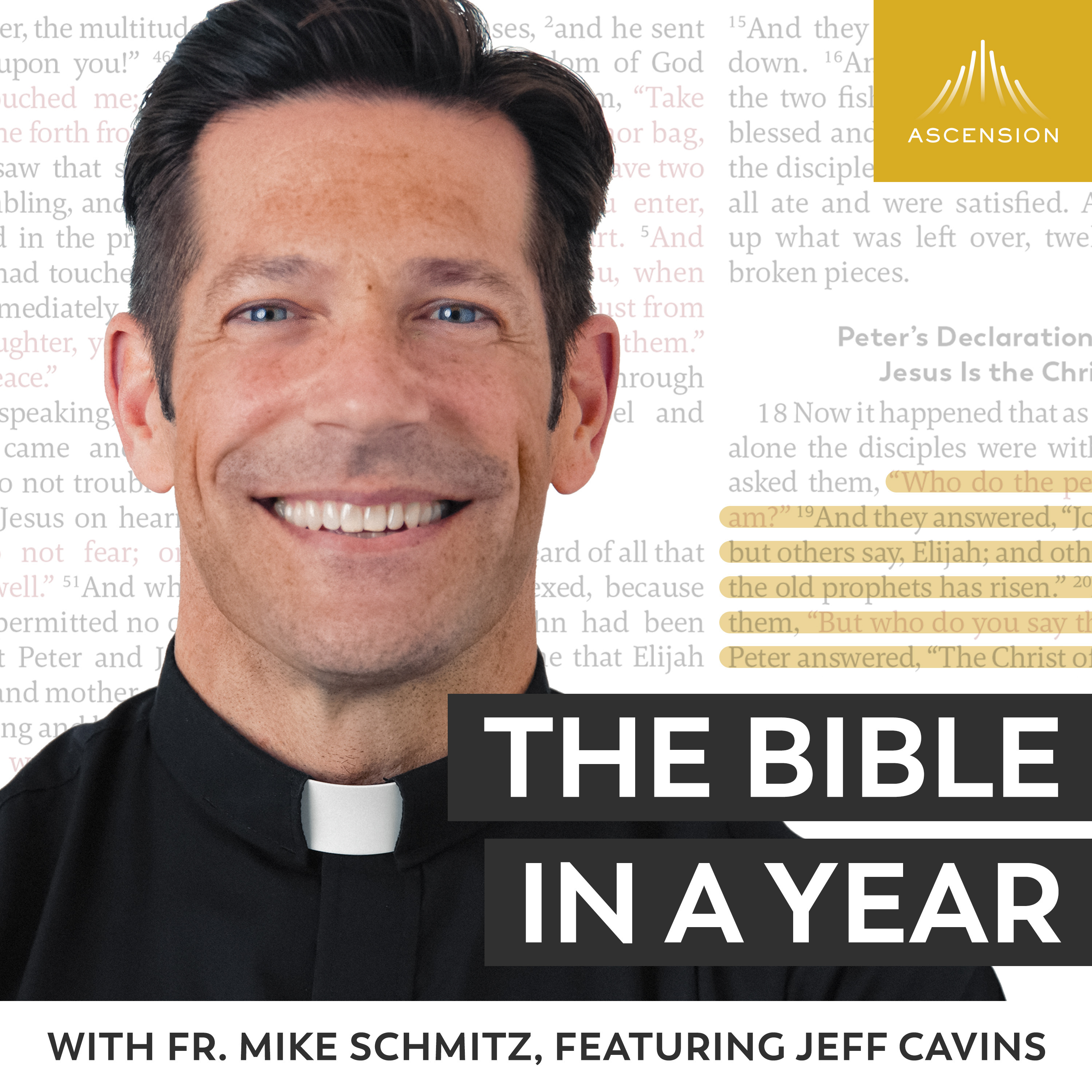
Overview of Day 218: Each Will Be Judged (2026)
In this episode of Bible in a Year with Father Mike Schmitz, the reading covers Isaiah 57–58, Ezekiel 17–18, and Proverbs 13:5–18. The main themes are idolatry, false versus true worship, covenant faithfulness, personal responsibility before God, and the call to repentance and life. Father Mike emphasizes that God is not impressed by outward religiosity alone; He desires humility, justice, mercy, and a heart turned toward Him.
Key Scripture Themes
Isaiah 57: Idolatry, judgment, and healing
- Isaiah condemns Israel’s spiritual adultery: turning from God to idols and false worship.
- The chapter contrasts:
- The wicked, who have no peace.
- The contrite and humble, whom God revives.
- A major emphasis is God’s mercy:
- Though He disciplines, He also says, “I will heal him” and “Peace, peace, to the far and to the near.”
Isaiah 58: True fasting and true worship
- God rebukes fasting that is merely external or self-serving.
- True worship is shown in:
- loosening bonds of wickedness
- freeing the oppressed
- feeding the hungry
- sheltering the poor
- covering the naked
- The chapter ends with a strong Sabbath teaching:
- honor the Sabbath as a delight
- stop pursuing selfish pleasure
- receive the Lord’s joy and inheritance
Ezekiel 17: The parable of the two eagles
- Ezekiel gives an allegory about a vine and two eagles.
- The explanation identifies:
- The first eagle as Babylon/Nebuchadnezzar
- The second eagle as Egypt/Pharaoh
- The vine as Judah
- The point: Judah broke covenant by seeking Egypt’s help instead of trusting God’s judgment and plan.
- God also promises a future planting of a tender sprig on Israel’s mountain, a sign of restoration and hope.
Ezekiel 18: Each person is judged by their own conduct
- The chapter rejects the proverb that children are punished for their parents’ sins.
- God’s teaching is clear:
- “The soul who sins shall die.”
- A righteous person is accountable for their own righteousness.
- A wicked person can turn, repent, and live.
- God’s heart is not destruction but conversion:
- “I have no pleasure in the death of anyone… so turn, and live.”
Proverbs 13:5–18
- The reading portion continues the wisdom theme of moral integrity and consequences.
- The emphasis in the episode is consistent with the rest of the day: righteousness leads to life, while wickedness leads to ruin.
Father Mike’s Main Reflections
Idolatry is often disguised as something good
- He notes that idols are usually not obviously bad things.
- More often, they are good things made into ultimate things.
- Isaiah’s language of adultery is used to show how seriously God views spiritual unfaithfulness.
False fasting is not true worship
- Father Mike highlights that people in Isaiah 58 are fasting while still:
- oppressing workers
- quarreling and fighting
- seeking personal gain
- The issue is not just outward discipline, but self-centered intent.
Sabbath is about freedom and delight, not mere rule-keeping
- He connects Isaiah 58 with the Pharisees’ concern for Sabbath observance.
- Jesus does not ignore the Sabbath; He fulfills its deeper meaning:
- liberation
- healing
- restoring life
- Scripture must be read as a whole, not with one verse isolated from the rest.
Ezekiel 18 stresses personal responsibility
- Father Mike underscores that faith is not inherited automatically.
- A person cannot rely on:
- a faithful family line
- the sins of their parents
- Every person must choose to turn to God personally.
Practical Takeaways
- Examine your idols: Ask what good things may have become ultimate things in your life.
- Practice true worship: Let prayer, fasting, and religious habits lead to justice, mercy, and love.
- Honor the Sabbath rightly: Make it a day of delight, freedom, and rest in the Lord.
- Repent and turn back to God: God repeatedly calls His people not merely to avoid sin, but to live.
- Remember personal accountability: Your relationship with God is not based on family background, but on your own response to His invitation.
Closing Emphasis
The episode ends with a strong pastoral reminder: God’s desire is not death but life. The repeated invitation of the day is simple and urgent: turn to the Lord, and live. Father Mike encourages listeners to keep choosing God daily and to pray for one another in that ongoing conversion.