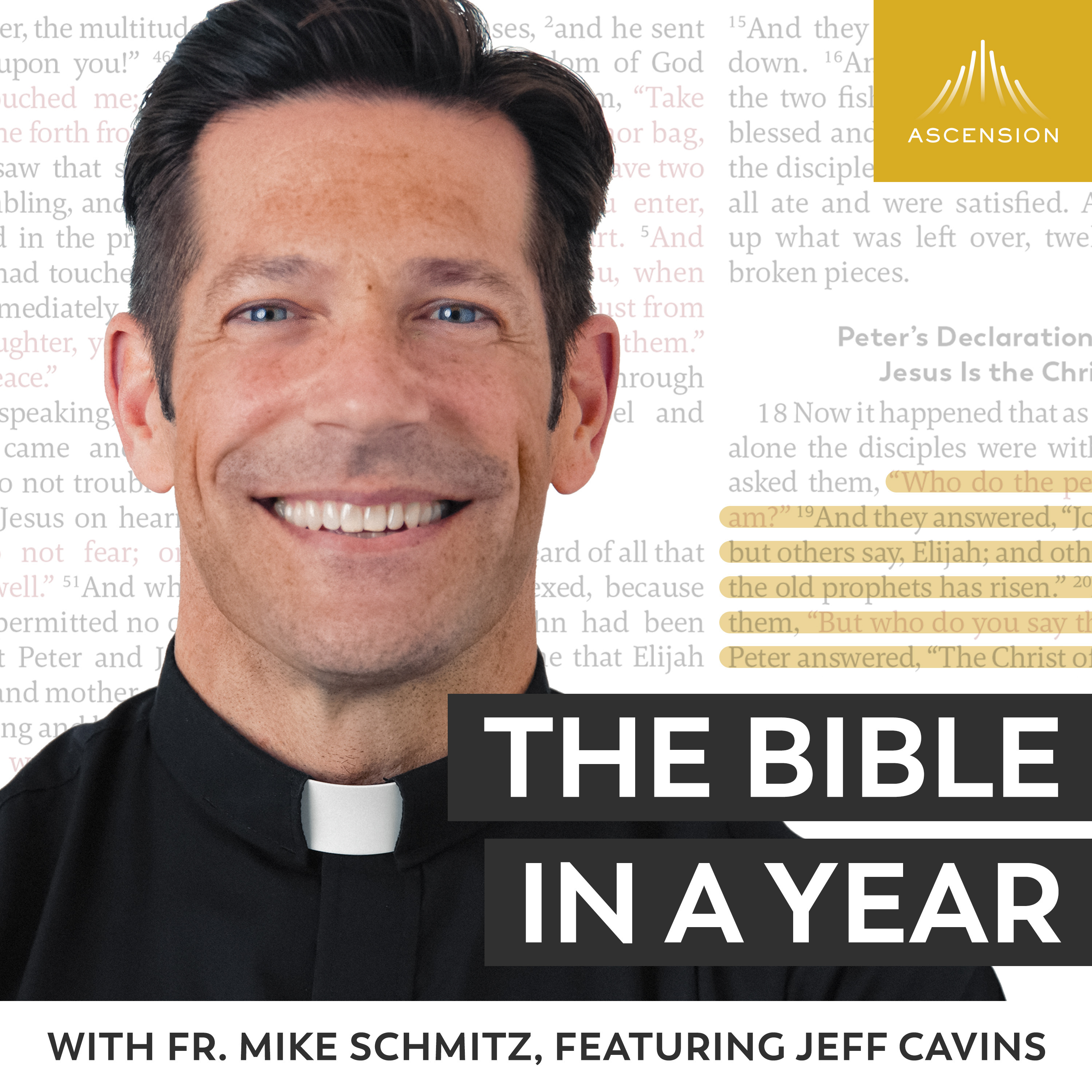
Overview of Day 214: The Hidden Glory of God (2026)
In this episode of Bible in a Year, Father Mike Schmitz reflects on a powerful set of readings from Isaiah 49–50, Ezekiel 10–11, and Proverbs 12:17–20. The major themes are God’s faithfulness to His people, the suffering and mission of the Servant, the departure of God’s glory from the temple, and the importance of truth-filled speech. Father Mike highlights how these passages speak both to Israel’s immediate situation and to Jesus Christ as the ultimate fulfillment of the Servant songs.
Readings Covered
Isaiah 49–50
- The Servant is called by God from the womb and given a mission to restore Israel.
- God promises that His people are not forgotten, even when they feel abandoned.
- The Servant also suffers humiliation, rejection, and abuse, but remains obedient.
Ezekiel 10–11
- Ezekiel sees the glory of the Lord rise from the temple and depart from Jerusalem.
- God judges corrupt leaders and promises eventual restoration.
- The exiles are promised a future return, a new heart, and one spirit.
Proverbs 12:17–20
- Truthful speech brings healing and lasting good.
- Deceit and lying are temporary, while honesty endures.
- Wise, good-hearted plans lead to joy.
Key Themes and Takeaways
1. God does not forget His people
Father Mike emphasizes Isaiah’s image of God saying, “I have graven you on the palms of my hands.” This is presented as both:
- a promise of God’s enduring love for Israel, and
- a foreshadowing of Christ’s wounds in the Crucifixion and Resurrection.
2. The Servant song points to Jesus
Isaiah 50 especially is read as a prophecy of Christ:
- the obedient Servant who does not turn back,
- the one who endures shame, spitting, and violence,
- the one who “sets his face like flint” toward Jerusalem.
3. God’s glory can feel hidden, but He is still present
Ezekiel’s vision is tragic: the glory of God leaves the temple because of Israel’s unfaithfulness. Father Mike notes, however, that this does not mean God abandoned His people. Rather:
- His presence became hidden in exile,
- and His glory remained with them even when unseen.
4. Restoration includes inner transformation
Ezekiel 11’s promise of a new heart and new spirit stands out as a major hope-filled message:
- God will gather His people,
- cleanse them from idolatry,
- and make them truly His own.
5. Speech matters
The Proverbs passage reinforces that:
- truth heals,
- lies are fleeting,
- and the wise use words for good, not harm.
Father Mike’s Reflection and Prayer
Father Mike’s reflection is deeply personal and devotional. He thanks God for:
- the faithfulness of the Jewish people,
- the first Christians,
- and believers throughout history who preserved the faith.
He prays that:
- all people, especially those who do not yet know Jesus, would come into covenant with God,
- listeners would hear God’s voice more clearly,
- and everyone would be drawn closer to God’s heart.
Notable Insights
- Isaiah’s servant passages have a dual horizon: they speak to Israel in the present while also pointing forward to Christ.
- God’s presence is not always visible, but hidden glory is still glory.
- Exile does not equal abandonment; God remains with His people even in suffering.
- True faithfulness includes trusting God in darkness, not just when His presence feels obvious.
Closing Emphasis
The episode ends with a strong reminder to remain faithful even when God’s glory seems hidden. Father Mike encourages listeners to trust that God is still present, still working, and still leading His people toward restoration.