Overview of Day 211: Called by Name (2026)
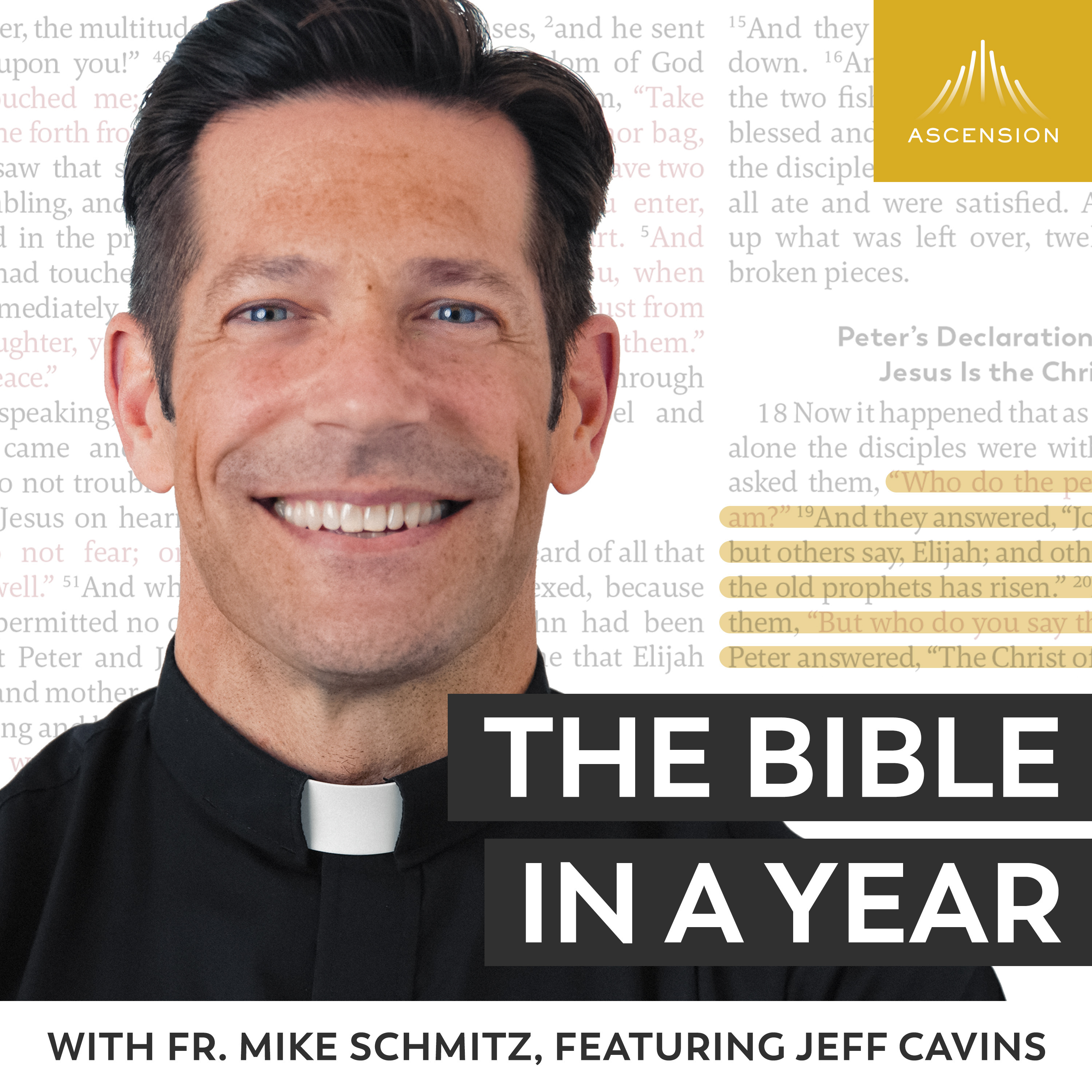
In this episode of The Bible in a Year with Father Mike Schmitz, the readings center on God’s steadfast claim over His people: “I have called you by name, you are mine.” Isaiah 43–44 offers comfort, forgiveness, and hope of restoration, while Ezekiel 4–5 delivers dramatic prophetic signs of Jerusalem’s coming judgment. Father Mike frames both passages as a reminder that God warns His people before suffering, not to abandon them, but to bring them back to Himself.
Scripture Readings Covered
Isaiah 43–44
- God reassures Israel: He has redeemed them, called them by name, and will be with them through waters, rivers, and fire.
- The Lord declares that He alone is God and Savior; there is no other.
- He promises a new thing: a way in the wilderness and rivers in the desert.
- Israel is called to remember that God forgives sins and restores His people.
- Isaiah specifically names Cyrus as God’s instrument for Israel’s future restoration, including the rebuilding of Jerusalem and the temple.
- The chapter strongly rejects idolatry, exposing the absurdity of making a god from part of a tree and worshiping it as if it were divine.
Ezekiel 4–5
- Ezekiel is commanded to perform symbolic actions that portray the siege and destruction of Jerusalem.
- He lies on his sides for extended periods to symbolize Israel and Judah bearing punishment.
- He rationed food and water in a way that represents scarcity during the siege.
- He shaves his hair and beard and divides it into thirds, symbolizing:
- destruction by famine/pestilence
- destruction by the sword
- scattering into exile
- The message is severe: Jerusalem’s rebellion has brought judgment, and the nation will become a warning to others.
Proverbs 12:5–8
- This proverb reading was included in the day’s plan, though the reflection focused mainly on Isaiah and Ezekiel.
Key Themes and Takeaways
God claims His people before the crisis
Father Mike emphasizes that God says, “I have called you by name. You are mine” before exile and suffering begin. The point is not that hardship is absent, but that God’s belonging and presence remain true even in the worst season.
Prophetic warning is meant to heal
Ezekiel’s symbolic actions are strange on purpose: they are living signs meant to make Israel feel the seriousness of their sin and understand the coming consequences. But the goal is always restoration, not pointless punishment.
God is with His people in judgment and mercy
The episode highlights a central prophetic pattern:
- sin leads to real consequences,
- yet God still speaks,
- and His ultimate purpose is to draw His people back to His heart.
Idolatry is exposed as empty and foolish
Isaiah 44’s satire of idol-making underscores how irrational it is to trust in something human-made. The contrast is sharp: idols are lifeless, while the Lord creates, speaks, saves, and redeems.
Father Mike’s Main Reflection
Father Mike’s biggest takeaway is pastoral and personal: even if today feels like the worst day of your life, God still says, “I have called you by name, and you are mine.” He encourages listeners to trust God’s love, repent when needed, and remember that suffering does not mean abandonment.
Prayer and Pastoral Close
Father Mike closes with prayer for:
- trust in God’s love and grace,
- repentance and return to the Lord,
- strength in confusion and suffering,
- and confidence that God is present in every trial.
He ends by inviting listeners to pray for one another and remember that God remains faithful.