Overview of Day 206: The Book of Baruch (2026)
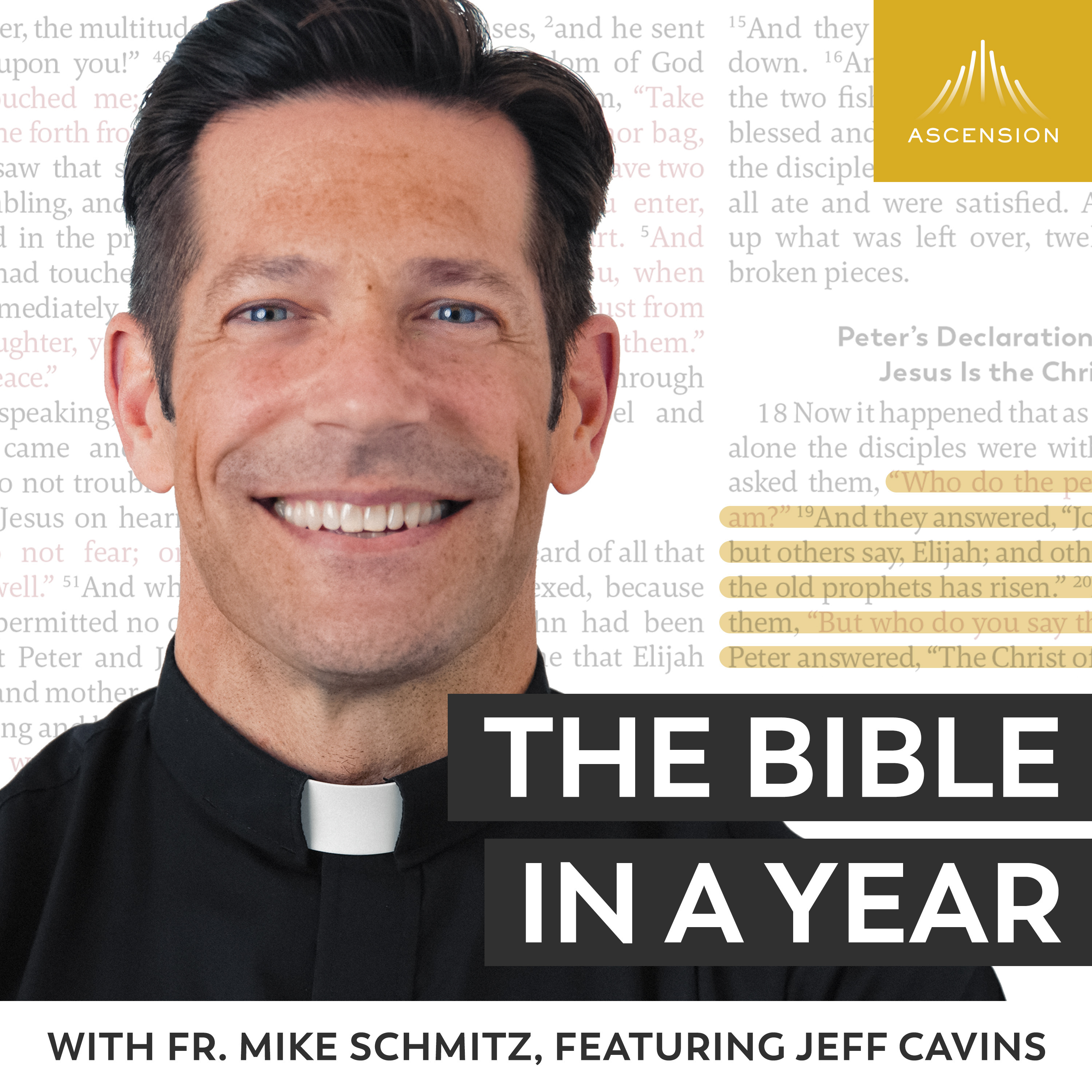
In this episode of Bible in a Year, Fr. Mike Schmitz reads Isaiah 32–33, Baruch 1–2, and Proverbs 11:17–20, then reflects on themes of righteous leadership, repentance, exile, and God’s covenant faithfulness. The readings contrast human pride and injustice with the peace that comes when God reigns, and they open the Book of Baruch as a powerful prayer of confession and hope from the Babylonian exile.
Scripture Readings Summary
Isaiah 32–33: Righteous Rule, Warning, and Deliverance
- Isaiah describes an ideal king and leaders who rule with justice, becoming a refuge for the vulnerable.
- The chapter calls out complacency and self-satisfaction among God’s people, warning that ease can lead to spiritual blindness.
- The Spirit’s outpouring will bring transformation: wilderness becomes fruitful, justice produces peace, and righteousness results in security.
- Chapter 33 shifts to judgment against the destroyer and a plea for God’s mercy.
- The Lord is portrayed as the true King, Judge, and Savior, and those who walk righteously will dwell securely and be forgiven.
Baruch 1–2: Confession in Exile and Hope of Restoration
- Baruch writes from Babylon to the exiles and to Jerusalem after the destruction of the temple.
- The people collect money for offerings and send it back so sacrifices can be made in Jerusalem.
- The letter includes a striking request to pray for the Babylonian king and his son, even though they are rulers over the exiles.
- A long confession follows:
- Israel admits guilt, disobedience, and failure to listen to God.
- The people recognize that their suffering is the result of covenant unfaithfulness.
- Baruch then offers a prayer for deliverance:
- God is asked to remember His people, restore them, and show the nations that He is Lord.
- The reading concludes with a promise of return, renewed obedience, and an everlasting covenant.
Proverbs 11:17–20: Kindness and Righteousness
- Kindness benefits the one who gives it, while cruelty harms the one who practices it.
- Wickedness brings deceptive gain, but righteousness brings a sure reward.
- Those steadfast in righteousness live; those who pursue evil face death.
- God delights in integrity and despises perverse hearts.
Fr. Mike’s Key Reflections
Righteous leadership matters
- Fr. Mike notes that Isaiah’s “righteous king” may point to historical kings like Hezekiah or Josiah, but ultimately anticipates the deeper hope of God’s perfect rule.
- The image of righteous leadership is tied to safety, clarity, and peace for the whole people.
Complacency is spiritually dangerous
- He highlights the warning to the “complacent women” as a broader critique of self-satisfied people.
- The issue is not gender but spiritual apathy: living comfortably while ignoring sin, suffering, and the need for repentance.
God’s judgment is universal
- Fr. Mike emphasizes that God’s justice reaches all nations, not just Israel.
- Anything not surrendered to God will ultimately be burned away; only what belongs to Him remains.
Baruch is a prayerful return to covenant
- He explains Baruch as a post-exilic voice speaking to people humbled by suffering.
- The people confess that they had the law but lacked obedient hearts.
- The passage centers on hope: God remembers His covenant and promises to bring His people home.
Main Takeaways
- Justice and righteousness bring peace.
- Complacency can harden a heart just as much as outright rebellion.
- Exile becomes a place of repentance, prayer, and renewed trust.
- God remains faithful even when His people fail.
- The covenant promise is not erased by judgment; it is refined through it.
Prayer and Final Encouragement
Fr. Mike closes by praying that listeners would:
- become people of kindness and righteousness,
- hear God’s word clearly,
- live in right relationship with Him,
- and trust in God’s faithfulness as His people did.
He ends with gratitude, encouragement to keep praying, and the reminder that God’s promises remain sure.