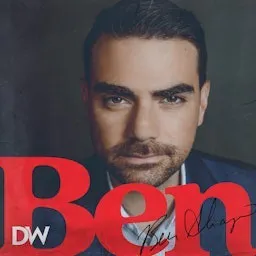
Overview of The Ben Shapiro Show, Episode 2546
Ben Shapiro argues that political leaders and commentators are encouraging economic pessimism and radicalism, with young people especially vulnerable to messages that they cannot get ahead. The episode also promotes Confession, a new film Shapiro wrote and produced, and covers disputes over data centers, Democratic Party leadership, immigration, and political culture. In interviews, investigative reporter Chris Rufo discusses allegations involving Gavin Newsom’s winery, while actor Rob Schneider talks about his satirical book about Anthony Fauci and the costs of political dissent.
Main Arguments
- Economic pessimism can become self-defeating. Shapiro criticizes commentators who tell young men that success is impossible, arguing that they should examine their circumstances and look for practical solutions. He acknowledges real pressures from inflation, housing costs, and a challenging job market, but rejects claims that ordinary progress is impossible or that a million-dollar income only buys a middle-class lifestyle.
- Data center opposition risks blocking growth. Shapiro uses a proposed data center that was reportedly halted after local opposition as an example of what he sees as environmental messaging overriding economic development. He criticizes both activists who favor a trampoline park instead and Senator Josh Hawley’s proposed national moratorium on data centers.
- He expects Democrats to move further left. Shapiro points to Bernie Sanders backing Chris Van Hollen as a way to pressure Democratic leadership, and cites comments from Hasan Piker, AOC, and John Kerry as signs that the party’s left wing will press for more partisan politics, impeachment efforts, and climate action.
- He condemns what he sees as political double standards. Shapiro contrasts media criticism of Defense Secretary Pete Hegseth’s group receiving a decorum reminder at the Tomb of the Unknown Soldier with statements and actions by Democratic politicians and activists that he considers disrespectful toward veterans, the military, or the United States.
- Political outcomes depend on discipline and competence. In conversation with Rufo, Shapiro discusses the Republicans’ midterm losses and the difficulty of turning policy goals into effective implementation. Rufo argues that voters may gravitate toward a more statesmanlike leader who can offer a positive vision and manage institutions competently.
Confession: Truth, Tyranny, and Faith
Shapiro reads Rod Dreher’s Free Press review of Confession, which praises the film as a story about the moral cost of lying under tyranny. The plot follows Alexei, a former Russian literature professor and NKVD informer, who is pressured by his former student Vladimir to confess against a priest suspected of writing dissident pamphlets.
Dreher’s review frames the film around questions of whether a lie can save a person without damaging their soul, and why someone should suffer for truth in a godless world. Shapiro says the film aims to show both the workings of tyranny and the meaning of heroism. He thanks Daily Wire members for helping fund the production.
Chris Rufo on Gavin Newsom and Republican Politics
Investigative reporter Chris Rufo says his team found that Gavin Newsom’s winery operation allegedly relies on undocumented labor, citing court documents and a vineyard worker who claimed that about 80% of grape pickers were undocumented. Rufo says the allegations might matter more in a general election than in a Democratic primary, and could draw scrutiny from the Trump administration. These are allegations discussed in the interview; the transcript does not establish their outcome.
Rufo also says Republicans’ losses among Hispanic voters were driven largely by cost-of-living concerns. He argues that many Latino voters support border enforcement but dislike highly visible, confrontational enforcement tactics. On the party’s future, he predicts that voters will favor the side that shows greater self-control in its messaging, policies, and implementation.
Rob Schneider on Satire and Political Expression
Actor Rob Schneider discusses The Not Real Anthony Fauci Diary, a satirical book inspired by Fauci’s memoir. Schneider says he wanted to mock Fauci’s rise to fame and what he views as the government’s influence over science and public debate.
Schneider also argues that entertainment has become politically restrictive and says speaking against prevailing views can cost people work. He and Shapiro discuss political tribalism, the response to Charlie Kirk’s murder, and whether American cultural institutions still make room for dissenting voices. Schneider’s broader message is that people should defend free expression even when it carries personal or professional costs.
Other Stories Covered
- The episode discusses an asylum case involving a Honduran man who, according to the Daily Wire report Shapiro cites, was allowed to remain in the United States after claiming persecution based on his transgender identity. Shapiro criticizes the decision following reports that the man later allegedly tried to enter a United Airlines cockpit while claiming to have a bomb.
- Shapiro interviews Rufo about allegations of undocumented labor at Newsom’s winery and the possible political implications.
- Shapiro questions reports alleging that NVIDIA CEO Jensen Huang had affairs with employees, while expressing skepticism that the allegations would lead to his departure.
- The show includes advertisements for Pure Talk, Balance of Nature, and Helix Sleep.
Key Takeaways
- Shapiro’s central theme is that exaggerated claims of hopelessness can discourage people from pursuing practical ways to improve their lives.
- He argues that blocking investment in infrastructure such as data centers could limit jobs and economic growth.
- Rufo’s analysis centers on the electoral importance of effective policy implementation, not just policy goals.
- The discussion of Confession presents truth-telling under authoritarian pressure as a test of conscience, faith, and courage.