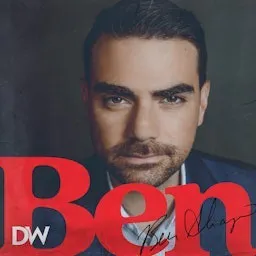
Overview of The Daily Wire — “Ep. 2541 - So, What the Hell Happened Last Night?”
Ben Shapiro reacts to a major Republican electoral blowout and argues that the results were not a simple endorsement of left-wing policy. Instead, he says the election was a broad repudiation of President Trump’s governing style and of the overall feeling around his administration: unaffordability, chaos, and corruption. He frames the night as a “blue tsunami,” then spends much of the episode breaking down what he believes actually drove voters away from Republicans and what the GOP must do next.
What Shapiro Says Happened
It was not a sudden embrace of the left
Shapiro rejects the idea that voters suddenly moved toward:
- Medicare for All
- socialist economics
- trans activism
- the Green New Deal
He argues that exit polling still showed:
- strong skepticism toward socialism
- broad support for capitalism
- concern that support for trans-related policies had “gone too far”
His point: Democrats won, but not because America became radically more progressive overnight.
It was not just about candidate quality
He also pushes back on the White House explanation that candidate quality was the main issue. In his view:
- the losses were too widespread and too large to be explained by a few weak candidates
- even strong Republicans lost badly in the wave
- the scale of the defeat points to something bigger than campaign skill
It was a referendum on Trump
Shapiro’s central thesis is that the election was a repudiation of Trump’s presidency, not merely a bad night for isolated candidates.
He says Trump’s approval and the generic congressional ballot had been steadily deteriorating for a long time, and the election reflected that long decline rather than a single dramatic event.
The Three Big Drivers, According to Shapiro
1. Unaffordability
He says the biggest issue for voters was the economy, especially:
- cost of living
- tariffs
- inflationary pressure
- energy prices
- general economic anxiety
He argues that voters felt their lives were more expensive and that Republicans paid the price.
2. Chaos
Shapiro says Trump’s style created a sense of:
- instability
- constant drama
- erratic policy rollout
- confusion in messaging
He argues that even policies he supports were often implemented in a way that looked disorganized or impulsive.
3. Corruption
He says the administration gave off a strong “whiff” of impropriety, pointing to:
- business ventures tied to Trump and his circle
- perceived access-for-favors dynamics
- public reports of enrichment around the family and administration
- the general sense that insiders were benefiting while ordinary people struggled
His claim is that these three factors together produced an electoral collapse.
Policy Areas He Says Hurt Republicans
Tariffs
Shapiro argues tariffs raised costs and were rolled out badly:
- they were seen as confusing and erratic
- consumers absorbed much of the cost
- the public associated them with higher prices and policy chaos
Iran and energy prices
He says the Iran conflict mattered because:
- it affected gas prices
- it reinforced the sense of foreign-policy discombobulation
- the administration overpromised on costs and outcomes
He distinguishes between the reason for confronting Iran and the execution of that policy, arguing voters reacted negatively to the latter.
Immigration optics
He says Trump’s immigration policy remained popular in principle, but the public image of enforcement became politically costly. In his telling:
- many voters saw harsh or emotionally charged scenes
- the rollout made the policy feel excessive to some
- the issue became less about border control and more about tone and image
What He Thinks Happens Next
Democrats may overreach
Shapiro predicts Democrats will take the win as a mandate to push:
- abolition of ICE
- Medicare for All
- aggressive prosecutions and investigations
- broader socialist-style policies
He thinks they are likely to overplay their hand and eventually trigger backlash.
Republicans need a new identity
His prescription for the GOP is not just “be anti-Democrat.” He says conservatives need to stand for:
- truth
- freedom
- virtue
- stability
- predictability
- incrementalism
- strong but disciplined governance
He argues Republicans must stop being chaotic and must present a real governing philosophy, not just opposition.
The conservative movement needs to mature
He says the post-Trump GOP has to answer deeper questions:
- What is America for?
- What values should conservatives defend?
- How do you build a durable coalition that lasts beyond one personality?
His answer is that the right should focus on a more principled, less erratic form of politics centered on order, prosperity, and moral clarity.
Notable Themes and Takeaways
- Elections are about gestalt, not one issue alone. Shapiro repeatedly says voters react to the whole atmosphere around a presidency.
- Image matters as much as policy. He argues that symbolic moments can shape public sentiment as much as legislative details.
- Trump’s strength is also his weakness. His resistance to criticism, Shapiro says, can turn into isolation and disconnection.
- Republicans need a forward-looking agenda. He believes merely opposing Democrats will not be enough.
Closing Note
The episode ends with a strong warning to Republicans: this loss is not permanent, but it is serious. Shapiro says the conservative movement must decide what it stands for beyond Trump if it wants to rebuild and avoid future blowouts.