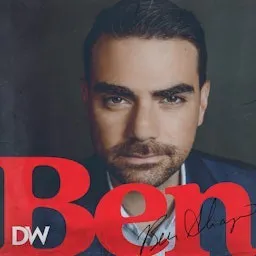
Overview of Ep. 2509 - Thanks To The Haters, Our Movie Is A Hit
Ben Shapiro opens by celebrating the strong response to Daily Wire’s new film Run, Hide, Fight, Infidels, arguing that the hostile reviews from legacy media only prove the movie is reaching its intended audience. From there, the episode turns to a wide-ranging set of topics: the Federal Reserve’s latest rate hike and the inflation problem, the push to regulate AI by people who barely use it, the cultural backlash over Sydney Sweeney’s sports-betting ad, and new Texas political controversy around James Tallarico and vote-mobilization tactics.
Run, Hide, Fight, Infidels and the Media Backlash
Box office and audience reaction
- Shapiro says the film is performing exceptionally well, with subscriptions and viewership reportedly outpacing the original Run, Hide, Fight.
- He frames the negative reaction from outlets like Variety and Slate as proof the movie is succeeding politically and culturally.
Main criticism of the reviews
- The reviews accuse the film of being “Islamophobic” because it depicts ISIS as ISIS.
- Shapiro mocks that objection, arguing that portraying terrorists as terrorists is realism, not prejudice.
- He also takes aim at reviewers for demanding more “nuance” from what he says is an action movie, not a political seminar.
His broader argument
- He says the film is intentionally critical of:
- Islamist terror
- left-wing protesters
- “useful idiots” who side with extremists
- He claims the movie is a mirror held up to contemporary left-wing politics, and that critics are angry because it reflects their own behavior too accurately.
Federal Reserve, Inflation, and the Risk of More Spending
The Fed raises rates
- Shapiro discusses the Federal Reserve’s decision to raise interest rates by a quarter point.
- He frames the move as a rejection of the White House’s desire for lower rates and easier money.
- The reason, in his view, is simple: inflation is still too high.
Why inflation remains a problem
He points to several contributing factors:
- inflation still running above the Fed’s target
- higher Treasury yields
- rising oil prices, including geopolitical pressure in the Middle East
- tariffs
- the long-term effects of a large structural federal deficit
Critique of political spending promises
- Shapiro argues that promises like a possible “$5,000 dividend” to taxpayers would fuel more inflation if implemented.
- He says both parties have a “spend more money” mindset that worsens debt and prices.
- He also cites waste and fraud in government programs, including a reported homelessness-funding scandal in Los Angeles, as evidence of government misuse of cash.
AI Regulation and Effective Altruism
Congress and governors lack expertise
- Shapiro says many lawmakers want to regulate AI despite not using it or understanding it.
- He suggests this creates an opening for industry insiders to write rules that protect their own interests.
Effective altruism as a warning sign
- He spends significant time criticizing the “effective altruism” movement, tying it to:
- Sam Bankman-Fried
- Dustin Moskovitz
- Anthropic leadership
- AI safety organizations
- His argument is that these circles are dominated by ideological elites who think they know better than everyone else and want to control the development of AI.
Concern about regulatory capture
- He warns that AI oversight could become a form of regulatory capture, where the same people pushing alarmism also shape the rules.
- He argues this would benefit major tech players and potentially China, while harming competition and innovation.
Sydney Sweeney, Beauty Standards, and Cultural Overreaction
The ad controversy
- Shapiro discusses backlash to a Sydney Sweeney sports-betting ad that features her in revealing poses.
- He argues critics are misrepresenting the ad as an attack on women in sports when it is really just a marketing campaign.
His main point
- He says the outrage says more about how far the left has moved than about Sweeney herself.
- In his view, the left has shifted from tolerating sexualized ads to attacking conventional beauty standards altogether.
- He contrasts today’s reaction with older controversies like the Paris Hilton Carl’s Jr. ad, which he says would now seem tame.
Cultural argument
- Shapiro uses the episode to argue that the right is increasingly defending:
- traditional female beauty
- clear sex differences
- the idea that attractiveness is real and culturally meaningful
- He says the modern debate is no longer just about advertising, but about whether beauty itself is allowed to exist as a standard.
Texas Politics: James Tallarico and Paid Relational Organizing
Tallarico’s moderation is presented as tactical
- Shapiro cites leaked footage suggesting Texas Democrat James Tallarico is presenting a moderated message for electoral purposes.
- The implication is that Tallarico’s current rhetoric is temporary and designed to win votes.
Paid voter outreach
- He then discusses reporting on Texas Democratic organizing efforts that allegedly pay participants to attend voting-related classes and mobilize friends and family.
- Shapiro presents this as a gray-area form of vote buying and a reason to take voter-fraud concerns seriously.
Key Takeaways
- The movie controversy is being used as marketing fuel: Shapiro treats negative reviews as evidence the film is resonating with the intended audience.
- Inflation remains central: He argues that rate hikes are necessary because inflation, deficits, and energy costs are still pressing problems.
- AI regulation is vulnerable to elite capture: He believes people who barely understand the technology are trying to control it for ideological and financial reasons.
- The Sydney Sweeney backlash reflects a culture war over beauty: He frames the reaction as evidence that the left has become hostile to conventional attractiveness and gender norms.
- Texas politics is still full of maneuvering: He warns that both candidate messaging and turnout operations can be highly deceptive.