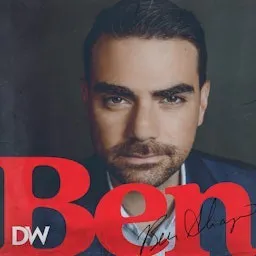
Overview of Ep. 2467 - The Andrew Tate Reckoning Is Here
This episode centers on the arrest and pending UK extradition of Andrew Tate and Tristan Tate, which Ben Shapiro frames as the long-awaited fallout from years of alleged abuse, trafficking, pornography, and exploitation. From there, he expands into a broader argument about how modern politics has normalized transgression—on both the right and left—and why he believes Western civilization is weakening because it has abandoned social shame, moral boundaries, and virtue.
Andrew Tate Arrest, Charges, and Legal Fallout
What happened
- Andrew Tate and his brother Tristan were taken into custody in Miami by U.S. Marshals for extradition to the UK.
- UK authorities announced 59 total charges between the brothers.
- The charges discussed included:
- rape
- sexual assault
- sexual trafficking
- child and extreme pornography
- sex trafficking-related allegations
Shapiro’s framing
- Shapiro describes Tate as a “pornographer,” “grifter,” and “scumbag,” arguing that his rise was built on exploitation and sexual predation.
- He notes that the Tates had already faced serious allegations and arrests in Romania, including human trafficking, money laundering, and organized criminal activity.
- He emphasizes that the UK case reflects a broader pattern of alleged misconduct spanning years.
Why Shapiro Says the Tates Became So Influential
The “sin is fun” argument
Shapiro argues that Tate’s appeal comes from transgression:
- Tate sells a model of consequence-free vice, domination, and shamelessness.
- He says many young men were drawn to Tate because he packaged misogyny, sexual exploitation, and anti-establishment rebellion as “masculinity.”
- He argues that Tate’s content became viral because it was shocking, rebellious, and easy to repost.
Platforming and amplification
He criticizes:
- TikTok and YouTube clip networks for massively amplifying Tate content
- “Hustlers University” and similar schemes as monetized grift
- influencers who treated Tate as a victim of censorship rather than a man facing serious allegations
The Right’s Role: Defending Tate as a Symbol
Major targets of criticism
Shapiro sharply criticizes right-wing figures and media personalities who defended or normalized Tate, including:
- Tucker Carlson
- Candace Owens
- Nick Fuentes
- various “manosphere” personalities
His point
- He argues these figures weren’t defending free speech so much as celebrating transgression.
- In his view, they saw Tate as useful because he attacked “the system,” not because he embodied any real virtue.
- He also says this same mindset shows up in conspiracy culture more broadly, where anti-establishment theatrics override concern for victims or truth.
Broader Cultural Thesis: Civilization Weakens When Virtue Disappears
Main idea
Shapiro’s central cultural claim is that societies need:
- social shame
- moral standards
- family and religious boundaries
- legal consequences
He argues:
- the left weakened social standards by mocking virtue and normalizing vice
- the reactionary right responded not by restoring virtue, but by embracing shamelessness and outrage
- the result is a feedback loop where “transgression” becomes the point
His prescription
- Restore social standards and public intolerance for exploitative behavior
- Reject grifters and provocateurs who are selling vice as identity
- Reinforce family responsibility, moral education, and boundary-setting
Other Political and Cultural Examples He Uses
Left-wing transgression
He argues the same dynamic appears on the left:
- Hasan Piker is cited as an example of performative radicalism and anti-American posturing
- Zohran Mamdani is criticized for open-border and anti-Israel rhetoric
- Bernie Sanders is attacked for populist moralizing and simplistic wealth rhetoric
- a DSA official is used as an example of communist-style anti-property politics
His broader warning
Shapiro’s argument is that both sides increasingly reward:
- shock value
- ideological performance
- contempt for institutions
- rejection of moral constraint
Iran, Military Escalation, and U.S. Policy
What the episode covers
The second half shifts to Iran after U.S. service members were killed in an Iranian strike.
Shapiro’s position
- He supports a much harsher deterrence policy.
- He argues against “graduated escalation” and says the U.S. should respond decisively and overwhelmingly when Americans are killed.
- He says military force only works if it is credible, immediate, and severe enough to change enemy behavior.
His criticism of the current approach
- He says incremental strikes and partial pressure are ineffective.
- He contrasts U.S. hesitation with Israel’s stronger deterrence posture.
Key Takeaways
- Andrew Tate is presented as a symbol of shameless exploitation finally facing consequences.
- Shapiro argues Tate’s popularity came from turning vice into branding for young men.
- He sees Tate’s defenders on the right as evidence that transgression has become a political identity.
- He extends the same critique to the left, arguing that both sides reward performative outrage and moral decay.
- On Iran, he calls for overwhelming retaliation rather than gradual escalation.
Bottom Line
This episode is less just about Andrew Tate than about what Shapiro sees as a civilizational collapse of standards. Tate’s arrest is treated as a moral and cultural reckoning, and Shapiro uses it to argue that societies cannot survive when they stop enforcing shame, virtue, and consequences.