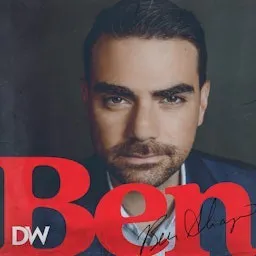
Overview of Ben Shapiro Reacts To Woke TikToks: Racism Edition!
In this segment, Ben Shapiro reacts to a series of “woke” TikTok clips centered on racism, identity politics, white guilt, and perceived bias in American society. The discussion is framed as a satire-heavy critique of progressive race discourse, with Shapiro arguing that many of the TikTok claims exaggerate racism, flatten people into identity categories, and mistake personal ideology for evidence. The episode also includes multiple ad reads for ZipRecruiter, Liberty Mutual, and SuperSure.
Main Topics Discussed
Intersectionality and identity-based morality
- One TikTok claims that people with more “dominant” identities — especially white, straight, cisgender, male, and wealthy — are more likely to be morally worse because of their social position.
- Shapiro pushes back on the idea that identity status determines character, arguing that this turns identity into a proxy for guilt or virtue.
- He notes that the original idea of intersectionality was about overlapping forms of discrimination, not a full moral ranking system of people.
Claims about racism being widespread and structural
- Several clips argue that racism is still pervasive, especially among white people, and that white Americans refuse to listen to minority lived experiences.
- Shapiro dismisses these claims as overstated and says racism exists, but is not the dominant force shaping American life.
- He argues that these TikToks often treat racism as an all-encompassing explanation for social and political problems.
“All white people are racist” style rhetoric
- One creator uses exaggerated language about “unseasoned racist white people,” “caucasity,” and similar slang to condemn white people broadly.
- Shapiro mocks the logic as circular: the argument is essentially that racism exists because the speaker says it does.
- He also criticizes the practice of denouncing “white people” as a category while making sweeping generalizations about them.
Bias, hiring, and race-conscious decision-making
- A TikTok claims that in hiring, a manager should choose a qualified Black candidate over a qualified white candidate because white workers are overrepresented and benefited by generational privilege.
- Shapiro argues that the correct standard should simply be hiring the best qualified person, regardless of race.
- He uses examples like affluent Black celebrities and poor white applicants to challenge the idea that race alone reveals someone’s life experience or worth.
White people, personality, and political culture
- One TikTok says white people lack personality outside of racism and that conservatism is tied to misery, anti-intellectualism, and cultural stagnation.
- Shapiro responds by mocking the speaker’s tone, style, and logic, and argues that conservatives are generally happier than liberals.
- He frames conservatism as rooted in community, responsibility, and virtue, in contrast to what he sees as grievance-driven identity politics.
Key Takeaways
- Shapiro’s central criticism is that modern race discourse often turns identity into a moral hierarchy rather than a tool for understanding discrimination.
- He argues that these TikTok takes rely on broad stereotypes, emotional certainty, and weak reasoning.
- The episode repeatedly contrasts lived-experience language with what Shapiro sees as unsupported generalizations.
- His broader message is that racism is real, but many activist framings inflate it into a total explanation for social life.
Notable Tone and Style
- The segment is highly sarcastic and comedic, especially in Shapiro’s reactions to the TikTok creators’ language and delivery.
- Much of the humor comes from exaggerating the claims being made and highlighting what he sees as contradictions in them.
- The format is less a debate than a commentary roast, with Shapiro using the clips as examples of what he considers bad ideological reasoning.
Sponsor Segments Mentioned
- ZipRecruiter: promoted as an efficient hiring tool with matching technology and screening questions.
- Liberty Mutual: featured in a humorous ad read about customized insurance and a pop quiz.
- SuperSure: presented as a business insurance platform that simplifies policy management and explains legal jargon in plain English.