Overview of Targeting, Short Shorts, and Carousel Takeaways with Chris Vannini
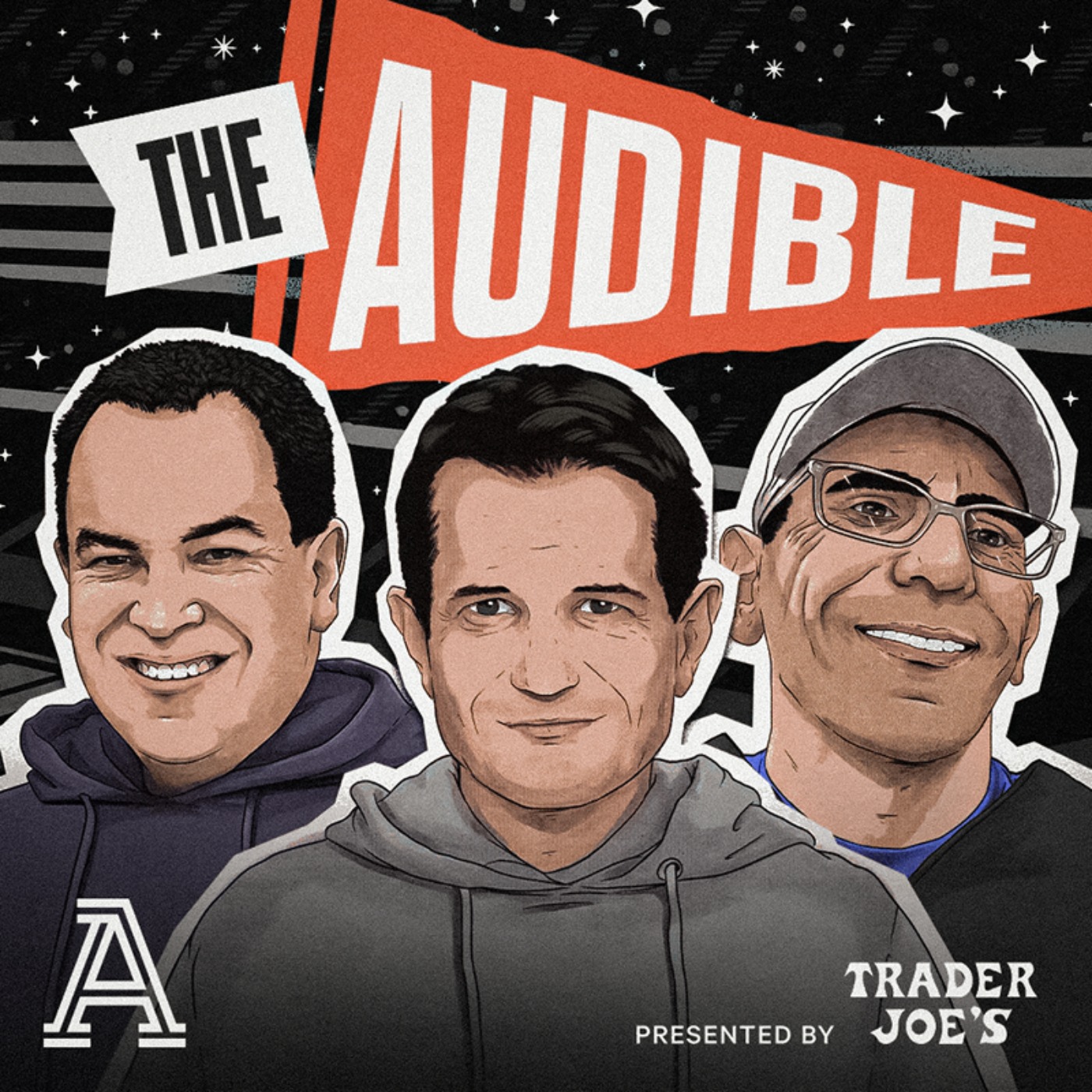
This episode of The Athletic’s Audible (hosted by Stuart Mandel and Ralph Russo) features colleague Chris Vannini discussing recent college-football news: a key court denial for Tennessee QB Joey Aguilar, rising coach pay (Kurt Cignetti), UCLA’s Rose Bowl/SoFi stadium dispute, NCAA rules issues (targeting and equipment/uniform enforcement), uniform trends (very short pant legs), and lessons from a very active coaching carousel. The show closes with a tribute to former Purdue receiver Rondell Moore.
Major news items covered
- Joey Aguilar (Tennessee QB) was denied an extra season of eligibility in state court. The judge rejected his attempt to exclude junior‑college years from the NCAA clock. Tennessee will rely on younger, less‑proven QBs (George McIntyre, freshman Brandon Faison, and Ryan Staub).
- Kurt Cignetti (Indiana) received a contract bump that, by reported averages, puts him at the top of the college‑football pay list (~$13.2M average reported), illustrating how quickly coach pay benchmarks keep rising.
- UCLA is in a legal fight with the Rose Bowl over breaking/ending a long lease to play a home season at SoFi Stadium—motivated by revenue from premium seating—but the existing contract and potential settlement make the financial math unclear.
- Tragic news: Rondell Moore (Purdue alumnus/NFL WR), 25, died by an apparent self‑inflicted gunshot wound. Hosts offered condolences and mental‑health outreach reminders.
NCAA rules discussion: targeting
- Item on the table: eliminate or modify the carryover suspension that forces a player ejected for targeting in the second half to miss the first half of the next game. The rules committee meets to draft proposals; feedback is gathered and final decisions follow in March.
- Background/context:
- Targeting enforcement has narrowed in recent years (crown‑of‑helmet standard, other indicators) and targeting calls have declined significantly since 2020 (hosts cited roughly a 50% drop).
- Repeat‑offender rules exist: three targeting calls in a season currently triggers a full‑game suspension (added around 2019).
- Appeals: an appeals process for second‑half targeting exists (used by teams like Michigan earlier this year; at least one appeal was upheld by the Big Ten).
- Concerns and tradeoffs:
- Removing the carryover could reduce perceived unfairness (missing unrelated next‑game action), but retention of penalties for repeat offenders is possible.
- Introducing a multi‑tier targeting penalty risks increased subjectivity and may encourage officials to call lower‑level infractions more often.
- Replay review is intended to reduce inconsistency, but officials and replay crews remain under scrutiny for explaining judgment calls.
Uniform and equipment enforcement: “short shorts” and related issues
- Rule: NCAA requires pant legs to cover the knee (a rule passed years ago). Enforcement has been spotty despite pants getting progressively shorter.
- Potential enforcement change: consideration of an in‑game penalty model (mirroring the fake‑injury penalty approach: warning first, then timeout) or dedicated equipment monitors (NFL uses an equipment official).
- Safety/appearance issues raised:
- Shorter pants create fitting and pad‑placement questions (thigh/knee pads).
- Other visual concerns: double mouthguards, exposed midriffs (rules on showing abs were previously adopted and could reemerge in discussion).
- Practical challenge: enforcing appearance/equipment rules requires attention during games that many official crews don’t have spare bandwidth for.
Coaching carousel takeaways and trends
- Scale of turnover: roughly 17 Power‑Five openings, ~13 G5 openings, ~34 total if you include late moves (Thomas Hammock to NFL).
- Timing of firings:
- Several early‑season firings occurred; their benefits are mixed. Early firings often serve as donor/PR signals that leadership is “taking action,” and can affect the available candidate pool and messaging—but there’s no consistent advantage proven.
- Coaches report midseason recruiting/contract conversations are increasingly intrusive—agents and ADs call during the season, which can distract teams.
- Money is now primary:
- Agents and candidates focus first on “how much money will I have for the roster?” RevShare/NIL/third‑party deals make roster funding the top hiring question.
- Schools may promise extra roster funds outside public rev‑share numbers through third‑party NIL or other arrangements (Learfield/PlayFly/others).
- Escalating coach pay and contract structure:
- High‑profile buys/bonuses and guarantees continue to increase (Cignetti, Lane Kiffin at LSU, etc.). Top schools will pay what they think is necessary to win.
- Buyouts: often subject to offsets (amounts owed drop if a coach takes another job), but some contracts (e.g., top guaranteed deals) have limited or no offsets—creating significant financial obligations.
- Structural problem: despite widespread criticism, schools routinely write huge guarantees because star candidates have leverage; this is unlikely to change for top jobs.
- Other lessons:
- Successful searches depend more on execution than on timing. Early firings don’t automatically produce better hires.
- Donor involvement and resource commitments materially affect hiring outcomes and the feasibility of competition at different program tiers.
Other notes and plugs
- Chris and David Ubin have rebranded their podcast to Bunch Formation (formerly Until Saturday). Recent episodes included an NCAA Football (EA Sports) long‑term review and transfer‑portal coverage.
- Hosts emphasized the disconnect between public outrage over guarantees and the practical incentives that make ADs authorized to offer them.
Key takeaways (actionable/what to watch next)
- NCAA rules committee decisions: watch for a March determination on targeting punishment (carryover suspension) and any uniform/equipment enforcement changes.
- Coaching market: expect continued escalation in salaries and guarantees at the top; roster funding (rev‑share + off‑books NIL) will be the primary hiring bargaining chip.
- UCLA/Rose Bowl: monitor legal filings and any settlement that might set precedent for other schools weighing stadium moves.
- Uniform enforcement: short‑pants discussion may yield new in‑game penalties or early‑season warnings to curb the trend—but enforcement capacity is the limiting factor.
- Mental‑health reminder: the show concluded with a call to reach out if you or someone you know needs help, following Rondell Moore’s death.
Notable quote (paraphrased):
- “How much money do you have for the team? That’s question one, two and three that coaches have about a job now.” — on how roster funding dominates hiring conversations
Sources: discussion and reporting by Stuart Mandel, Ralph Russo, and Chris Vannini on The Athletic’s Audible (transcript of the episode).