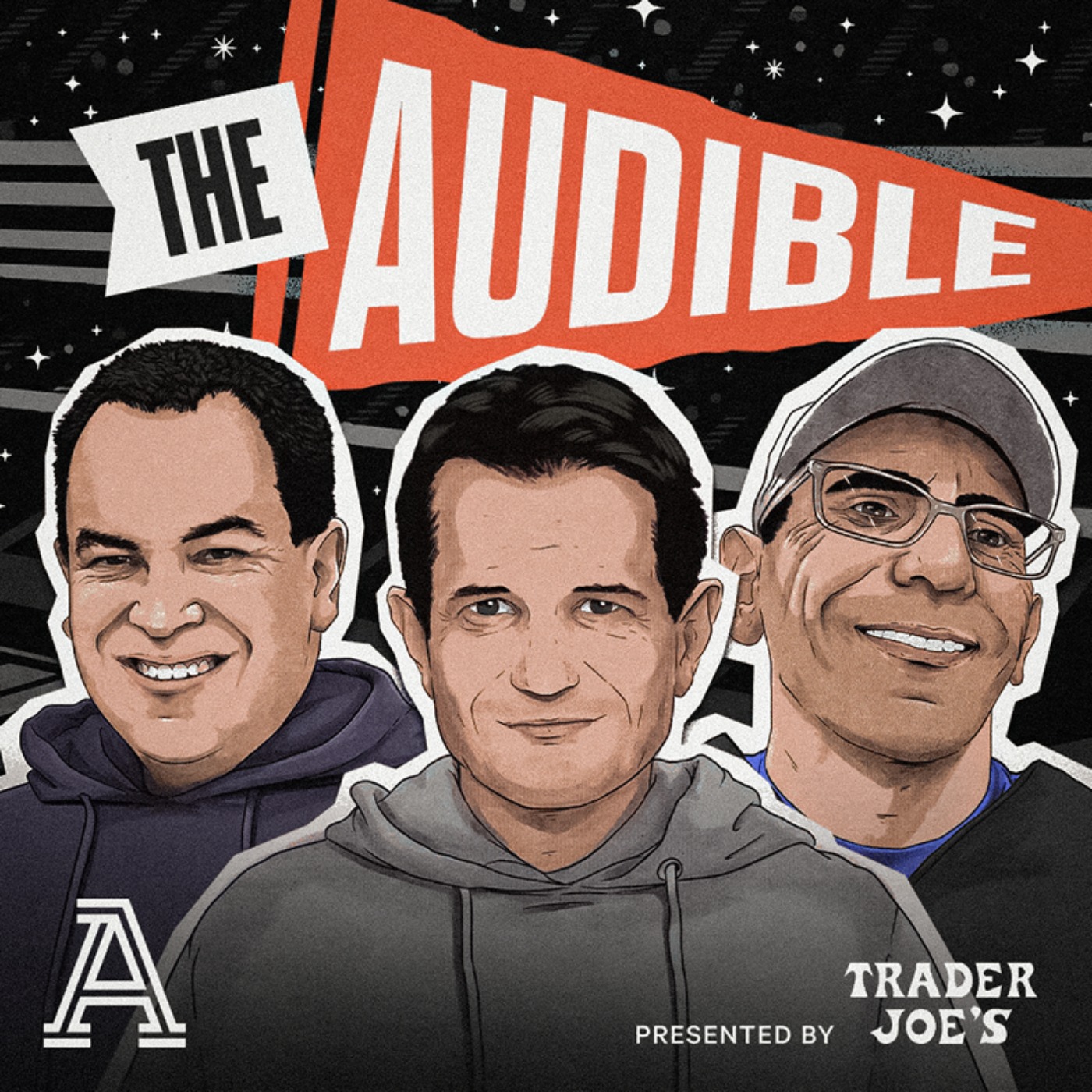
Overview of The Audible with Bruce Feldman and Stuart Mandel
This episode centered on the state of college football’s power structure: the Senate’s approval of the Protect College Sports Act, the growing backlash to Nick Saban’s public commentary, and the widening gap between programs that are adapting to the modern roster/coach market and those that are not. The hosts also highlighted several impact freshmen across the sport and used the mailbag to debate everything from power-conference teams versus Group of 6 programs to the likelihood that USC moves on from Lincoln Riley.
Senate Passes the Protect College Sports Act
The hosts opened with the news that the Senate passed the bill by a 77–22 margin, a rare bipartisan win for college sports lobbyists.
Key details discussed
- The bill includes a last-minute tweak on conference realignment, raising the conference-size limit from 19 to 20 schools.
- It still requires teams to spend three years as an independent before joining another conference.
- The bill is only temporary and expires in six years, limiting its long-term impact.
- The next step is the House, but because it is in recess until after the midterm elections, the path forward is uncertain.
Nick Saban’s Public Role and the Backlash Around It
A major theme of the episode was the tension around Nick Saban’s increasingly public advocacy for college sports reform.
What Saban argued
- Saban said coach and player pay are “totally different markets.”
- He compared player compensation to a student’s scholarship versus a professor’s salary.
- He suggested that a better way to rein in spending would be to limit coaching contracts and buyouts, rather than cap salaries directly.
The hosts’ response
- They pushed back hard on the inconsistency of defending uncapped coaching salaries while supporting limits on player spending.
- They noted the irony of Saban’s position given his own massive salary and the huge buyouts now common in coaching.
- Their broader takeaway: Saban remains brilliant and influential, but his worldview clearly favors coaches and elite programs.
- They also discussed how his TV presence has shifted from admired analyst to someone many fans now feel is lecturing them on the sport’s direction.
Freshmen Making an Immediate Impact
The episode also highlighted a story ranking the 20 most impactful freshmen in college football through the first month of the season.
Notable names discussed
- Oregon State’s breakout freshman playmaker: an undersized, late-emerging offensive weapon who went from almost no recruiting attention to producing huge numbers, including a massive game against Texas Tech.
- LSU defensive lineman Deuce Geralds: already disruptive with multiple sacks and strong interior pass rush production.
- USC freshmen dominated the list:
- Caden Dixon-Wyatt
- Mark Bowman
- Luke Wafle
- Trent Mosley
- The USC group was especially notable because the Trojans’ roster is leaning heavily on young talent.
Bigger takeaway
The hosts stressed that freshman impact is now more important than ever because roster churn is so high. Even highly ranked classes can evaporate quickly if a coaching change hits.
Lincoln Riley, USC, and the Hot Seat
The episode’s biggest coaching discussion centered on Lincoln Riley’s future at USC.
Why the hot seat is heating up
- USC’s loss to Oregon was framed as another example of the same problems:
- lack of discipline
- defensive inconsistency
- poor program identity
- tone-deaf moments that make the program feel out of sync with USC’s expectations
- The hosts argued Riley may be more likely than not to be gone after the season if the team keeps trending this way.
Potential replacements
They discussed several names that could surface if USC makes a change:
- Kalen DeBoer — the obvious first call, though Alabama may be a better situation for him.
- Kalani Sitake — viewed as a particularly strong cultural fit because of his toughness, authenticity, and West Coast ties.
- Bob Chesney — a name they said should at least be on the radar.
- They also touched on Jeff Lebby and John Sumrall, though neither was viewed as an obvious USC target.
Why Sitake stood out
The hosts liked Sitake as a “polar opposite” fit to Riley:
- physical and tough
- warm and engaging
- proven, but not in a way that feels disconnected from the West Coast
Coaching Fit, Offensive Coordinators, and Early Returns
A big portion of the episode explored how much coordinator fit matters in the new era.
Examples of what works
- Bob Chesney at UCLA has been one of the early success stories:
- 4–0 start
- energetic and charismatic leadership
- strong offensive production
- quickly bought-in staff and community support
- John Sumrall at Florida was also praised for getting the right OC hire and stabilizing a program fast.
- Oregon State’s first-year staff was credited for strong early performances against quality opponents and smart roster building.
Examples of what’s going wrong
- Tosh Lupoi at Cal: offense has been a disaster, and the OC hire has looked especially shaky.
- Pat Fitzgerald at Michigan State: rough start and now a major injury to the team’s best offensive player has made the season even tougher.
- Texas A&M was used as another example of how first-time play-calling experiments can go sideways quickly.
Broader point
The hosts emphasized that this is not simple cause-and-effect. Some coordinators thrive because:
- the roster fits their system
- the quarterback is already developed
- the staff is aligned
- the program gives them continuity
Others fail because the roster, staff, and scheme are all misaligned.
Mailbag Highlights
Could an SEC team win a full Group of 6 schedule?
The question focused on Arkansas and Rutgers.
Their answer:
- Arkansas would likely win the Sun Belt, Conference USA, and MAC, and might be competitive in the Mountain West and American.
- Rutgers would also be capable of winning several G6 leagues, though its defensive issues make it less certain.
- Their larger point: the Group of 6 has been weakened by constant transfer movement, so power-conference depth would matter a lot over a full season.
Should USC move on from Lincoln Riley?
They said yes, that seems increasingly likely if the season continues on this path.
What about offensive coordinators?
They closed by arguing that coordinator hires are a fit game, not a simple talent game:
- Sometimes a coordinator and roster click instantly.
- Sometimes a great résumé doesn’t translate.
- The ripple effects of staff changes can be huge, especially in the portal era.
Bottom Line
This episode was really about power, fit, and institutional stability in college football:
- Congress is trying to regulate a system that keeps evolving faster than the law.
- Nick Saban remains influential, but his public arguments increasingly reveal his biases.
- USC is the clearest major program under pressure.
- Meanwhile, several first-year coaches are proving that the right staff, identity, and roster alignment can still produce immediate results.