Overview of How the Pat McAfee Era Is Changing CFB Media + FSU-Clemson ACC Pressure Cooker
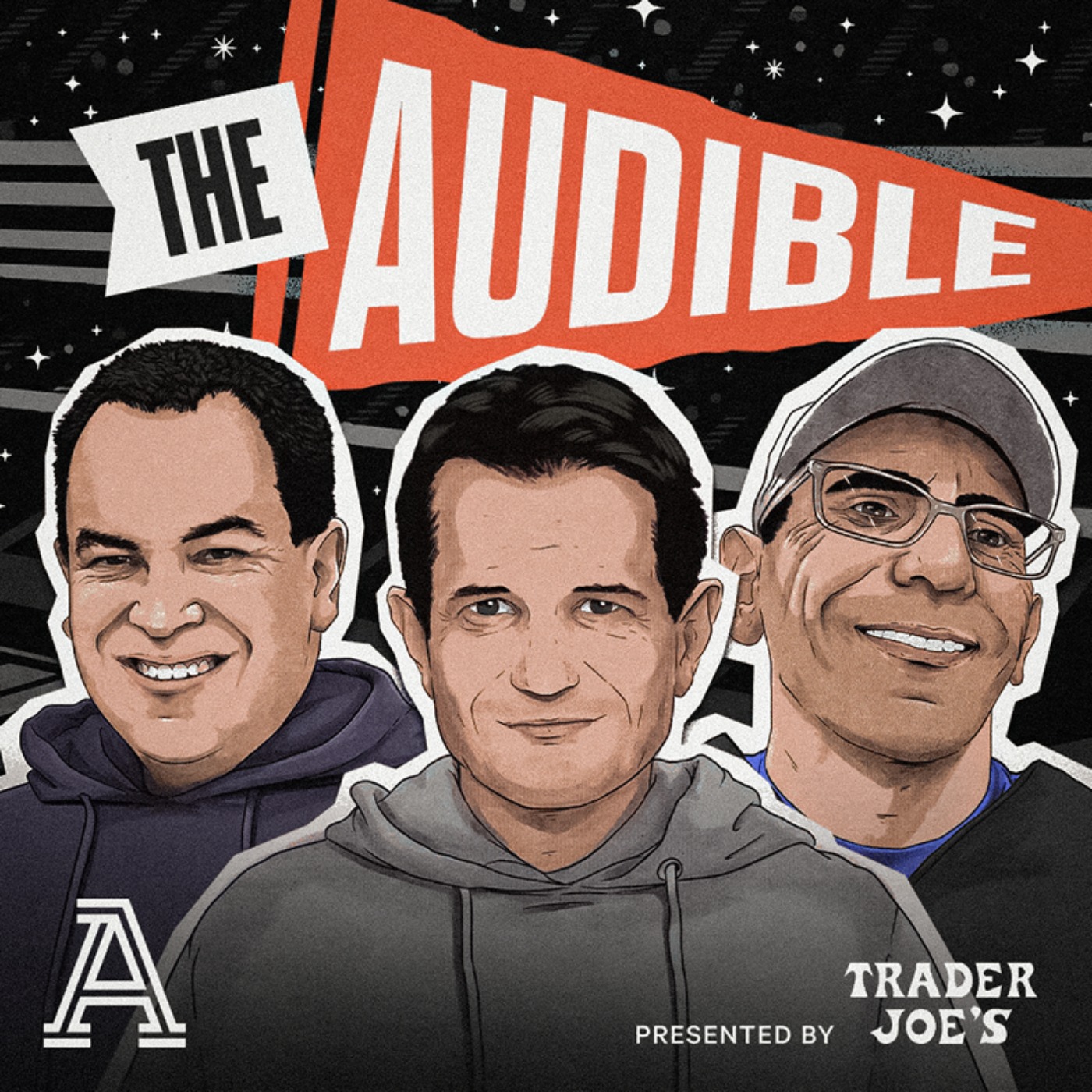
This episode of The Audible tackles two big college football themes: the growing influence—and controversy—around Pat McAfee and College GameDay, and the mounting pressure surrounding Florida State and Clemson as both programs navigate disappointing seasons, fan frustration, and uncertain leadership decisions. The hosts also answer a strong mailbag batch on hot-seat coaching recoveries, the value of the AP Poll in a 24-team playoff era, and the idea of “brand bias” in college football rankings and player hype like Arch Manning.
Pat McAfee, Utah, and the New Face of College Football Media
The first major topic is the blowup between Pat McAfee and Utah after College GameDay visited Salt Lake City.
What happened
- A video of Utah students calling McAfee “corny” and mocking his antics set off a surprisingly intense reaction.
- McAfee escalated the situation on-air, invoking threats and even referencing Charlie Kirk’s assassination in a way the hosts found bizarre and excessive.
- Utah ultimately apologized, which the hosts thought was strange given the original source of the controversy.
Why it matters
- The hosts see McAfee as a major reason GameDay has remained highly successful in viewership.
- But they also note that he is unusually thin-skinned for someone whose brand is built on being edgy and provocative.
- Their central concern: GameDay now too often becomes the story itself rather than a show about college football.
Main takeaway
- McAfee’s popularity is real, but so is the tension his style creates with schools, fans, and ESPN’s broader college football relationships.
ESPN, “GameDay,” and the Blurred Line Between Coverage and Entertainment
The discussion broadened into a larger critique of how ESPN’s college football ecosystem works.
Core arguments
- The hosts stress that GameDay, First Take, and similar shows are entertainment products, not traditional journalism.
- ESPN benefits from McAfee’s ratings lift, especially with Lee Corso gone and Nick Saban adding strategic/analytical value.
- At the same time, the show’s close ties to campuses, coaches, and athletic departments create conflicts and awkward optics.
Bigger concern
- The hosts worry that GameDay is sometimes too embedded in the sport it covers, making it harder to maintain distance.
- They also note ESPN has plenty of influence, but not nearly enough to control future realignment outcomes in the way some fans fear.
Florida State vs. Clemson: Two Very Different Kinds of Pressure
The second half of the episode shifts to the pressure cooker surrounding Florida State and Clemson ahead of their matchup.
Florida State: Fans, Frustration, and the Mike Norvell Question
Florida State’s crisis feels more immediate and unstable.
What the hosts said
- FSU president Richard McCullough sent an open letter to fans acknowledging frustration and promising a plan for long-term success.
- The school has not even started the athletic director search after firing Michael Alford.
- There is real uncertainty about whether Mike Norvell will be retained or whether the school simply cannot afford a full reset.
Likely direction
- The hosts see a plausible path where Norvell survives if the team finishes strong.
- But they also think many fans remain unconvinced even if the record improves.
Clemson: Dabo Swinney, Tradition, and the Need for Change
Clemson’s problem is more structural and philosophical.
The key tension
- Dabo Swinney is Clemson football, and that makes any change more complicated.
- The hosts argue Clemson needs more aggressive adaptation in:
- staff construction
- portal usage
- personnel management
- roster spending efficiency
What’s holding Clemson back
- The staff is heavily Clemson/Dabo-connected, which makes outside change difficult.
- The coaches’ trust and internal structure may be limiting flexibility.
- Despite bringing in new coordinators, the results have not matched the program’s standards.
Important nuance
- The hosts note Dabo has already made changes, but not necessarily the right ones.
- Clemson’s problem is not just “making changes,” but making effective changes and being willing to share more control.
Coaches Who Survived the Hot Seat
A listener asked for examples of coaches who were near the brink, made changes, and recovered.
Examples discussed
- Brent Brennan (Arizona): a strong example of a coach who survived early pressure, made smart staff changes, and turned momentum around.
- Ryan Day (Ohio State): survived intense pressure after losing to Michigan and eventually won a national title.
- Jim Harbaugh (Michigan): adapted, made staff/personnel changes, and eventually got over the hump.
- Brian Kelly (Notre Dame): remade his staff after a rough season and became a more stable winner.
The point
- Coaches can survive hot-seat pressure, but only if they are willing to change meaningfully and the administration gives them time.
AP Polls, 24-Team Playoffs, and Why Rankings Still Matter
A listener questioned whether the AP Top 25 still matters in a larger playoff era.
The hosts’ view
- The AP Poll still serves an important historical and narrative function.
- It gives context to a season’s rise, collapse, and drama.
- Even if the playoff field expands, the rankings remain useful for understanding the broader college football landscape.
Ralph Russo’s take
- The AP Poll could even expand to a Top 30 if needed.
- The main value is not matching the playoff bracket exactly, but preserving a long-running measure of team performance and perception.
Brand Bias and the Arch Manning Conversation
The final mailbag question explored whether college football reputation creates an unfair advantage in rankings and player projections.
What the hosts agreed on
- There absolutely is “brand bias” in college football.
- Blueblood programs like Michigan, Penn State, Alabama, and others often get the benefit of the doubt.
How that relates to Arch Manning
- The hosts agreed his last name amplified expectations.
- They noted that if he had a different name, people might have been far less patient with his development.
- The discussion also tied into a broader truth: familiarity and program reputation shape how teams and players are evaluated.
Final Thoughts and Mailbag Winner
The episode ends with the hosts selecting the mailbag winner:
- Mark Weinhold wins the Trader Joe’s gift card for the question about brand bias.
They close by reminding listeners to:
- send questions to theaudiblepod@gmail.com
- tune in to the Sunday live show
- and follow the show on social media.
Overall, this episode was a mix of media criticism, program crisis analysis, and smart structural commentary on how college football’s public image keeps evolving.